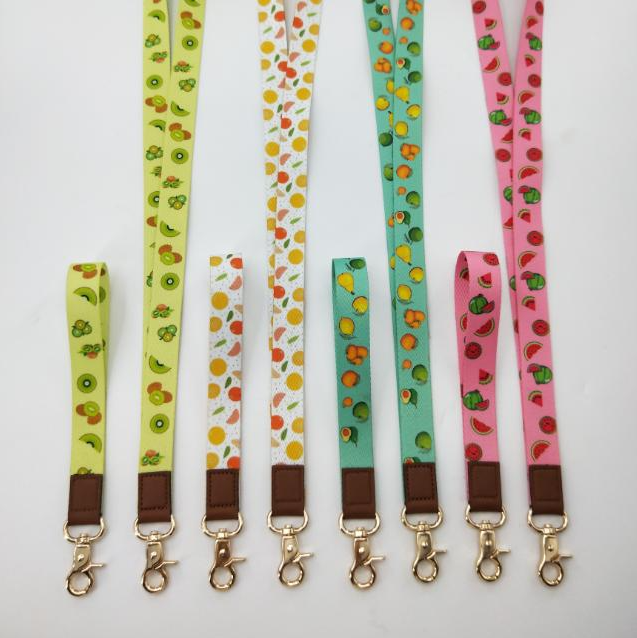
Wholesale Logo Lanyard: The Ultimate Guide for Bulk Custom Branding Solutions
2026-11-16
Custom lanyards might seem like a small detail, but when you’re scaling a brand, every touchpoint counts. The wholesale logo lanyard has quietly become one of the most practical branding tools for events, corporate teams, and everyday use—offering visibility that far outweighs its cost. At DONGCHUANG, we see companies transform a simple neck strap into a walking billboard. This guide strips away the guesswork: from material choices to imprint techniques, you’ll learn how to order in bulk without sacrificing quality or running into hidden delays. Whether you’re outfitting a conference or refreshing your staff ID program, what you decide next could turn a basic accessory into your smartest branding move this year.
Why Lanyards Still Win in a Wireless World
In an era buzzing with wireless badges and digital passes, the humble lanyard keeps its grip for one simple reason: it never needs a signal. No Bluetooth pairing glitches, no dead batteries, no app updates midway through an event. You slip the strap around your neck and forget about it, while your phone might be buried in a bag or fighting for a charger. That physical presence cuts through the noise instantly.
There’s also a quiet sense of identity that no app icon can replicate. A colored woven strap with a logo becomes part of someone’s uniform for the day, a subtle cue for staff, volunteers, and attendees to recognize each other. People hold onto them long after a conference ends, turning an ordinary badge holder into a souvenir that shows up in desk drawers and travel bags years later.
Cost and simplicity seal the deal. You can hand out a thousand printed lanyards in minutes without worrying about software compatibility or connection limits. In hybrid spaces where some guests prefer minimal tech, a physical badge on a cord remains the most frictionless way to say, ‘I belong here, I have access, ask me anything.’ Sometimes the low-tech solution stays winning because it does exactly one job and does it from the second it is worn.
Material Choices That Outlast Everyday Abuse
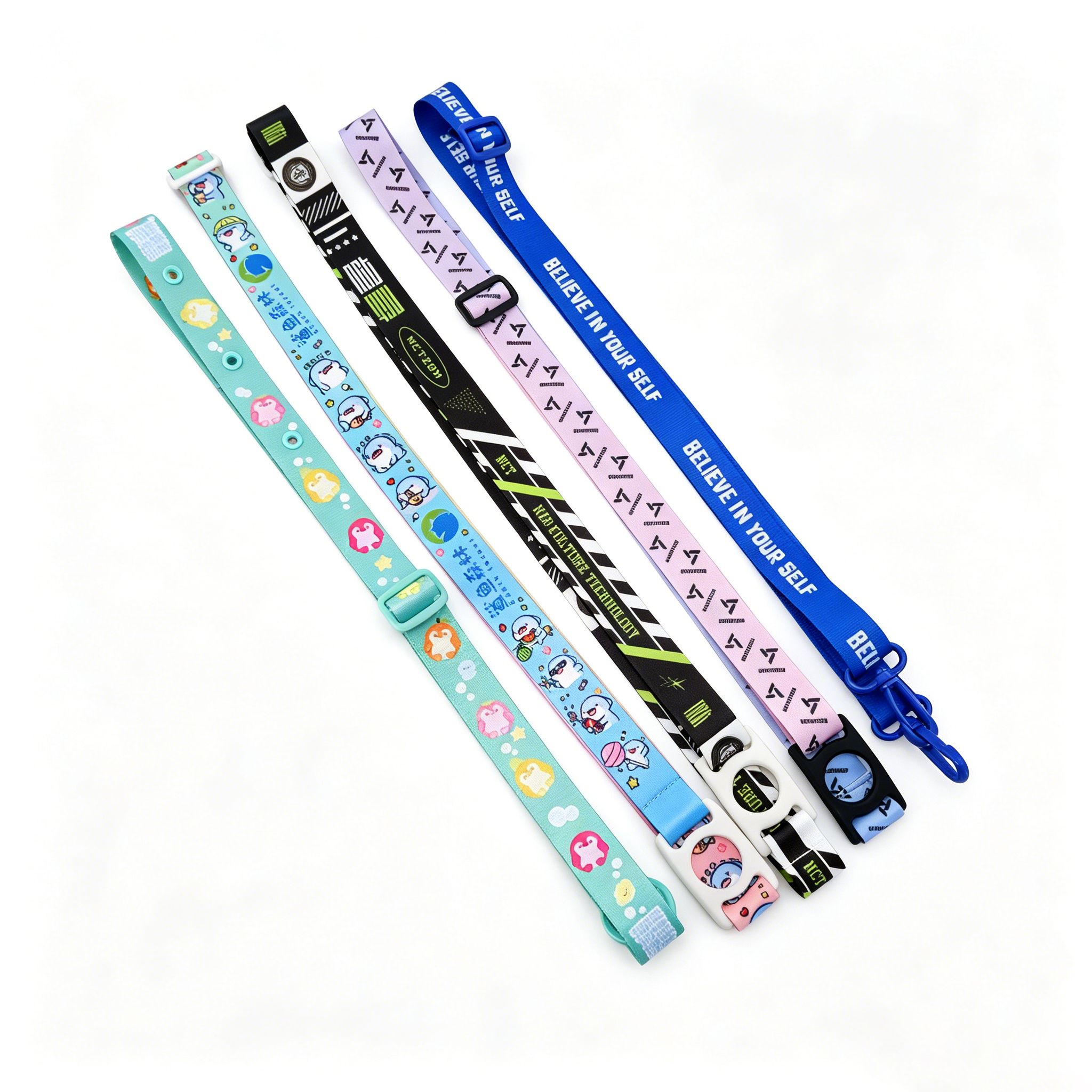
When you pick a material that's going to handle daily life without falling apart, look past the marketing and pay attention to density, grain structure, and how the surface responds to scratches. Solid hardwood with a tight, interlocking grain—think white oak or hard maple—tends to absorb impact without denting deeply, and any marks it does pick up become part of a lived-in look rather than damage. High-pressure laminates, often written off as cheap, actually shrug off keys, coffee mugs, and pet claws far better than many softwoods or veneers that bubble at the first sign of moisture.
Metals deserve a closer look, too. Powder-coated steel and anodized aluminum both form a chemically bonded skin that doesn't peel like paint and resists corrosion even after years of scraping and knocking. In wet areas, marine-grade stainless or brushed nickel won't pit or tarnish when cleaning supplies sit on them overnight. These surfaces show wear so slowly that people rarely think to replace them, which says more about their longevity than any warranty card ever could.
For areas that see serious abuse, engineered quartz and porcelain slabs offer something stone and ceramic tile can't easily match: a complete absence of microscopic pores. Coffee, red wine, and muddy boots slide off without leaving behind stains that set permanently. Even better, these materials don't require sealing routines or special cleaners to stay intact, so they keep performing the same way on year ten as they did on day one.
Smart Branding Details Most Bulk Orders Miss
When you’re placing a bulk order, it’s easy to fixate on logos and colour palettes while overlooking the subtler touchpoints that make branding stick. The unboxing moment, for instance, rarely gets the attention it deserves beyond a printed box. Instead, consider the texture of the inner tissue, a stamped thank-you note that feels personal, or even the scent that greets a customer. These sensory layers turn a generic shipment into a memorable brand encounter that quietly builds loyalty.
Another missed opportunity lives in the small print of packaging and insert design. Most companies default to standard disclaimers and care instructions, but rephrasing these in a conversational tone with a dash of personality gives your brand a distinctive voice. Think about the tiny hangtag that tells a joke about laundry day, or the safety sticker that winks at the product’s origin story. These micro-narratives don’t just inform—they entertain and humanise your business without adding significant cost.
Finally, dive into the blank spaces everyone else ignores. The inside flap of a box, the underbelly of a product, the edge of a sticker sheet—these are canvases for unexpected visuals or quirky messages. A small line of poetry, a hidden illustration that rewards the curious, or a subtle pattern that echoes your brand’s rhythm can transform disposable packaging into a keepsake. It’s these deliberate details, not louder claims, that signal a brand genuinely cares about every inch of the customer experience.
Picking Attachment Styles for Real-World Comfort
Comfort in relationships rarely comes from a single grand gesture. It’s built in the small, almost invisible moments—like knowing when someone needs space without asking, or sensing when a quiet presence matters more than words. Picking an attachment style for real-world ease isn’t about slotting yourself into a label; it’s about observing which patterns actually make your nervous system settle. For some, consistency feels like a cage; for others, it’s the only anchor that works. The trick is to stop chasing what looks healthy on paper and start noticing what genuinely soothes you in the mess of daily life.
The idea that a “secure” attachment is the universal goal often misses the point. Security feels different from person to person. One might need predictable check-ins, while another thrives on spontaneous, undemanding connection. Real-world comfort means honoring those differences without judgment. It might look like choosing a partner who doesn’t panic when you need a day of silence, or learning to voice a need for reassurance without shame. When you stop performing a style and start living it, the relief is physical—shoulders drop, breath deepens, and the constant mental chatter quiets down.
There’s also a quiet power in mixing styles across different relationships. You might lean avoidant with family but crave closeness with a friend, and both can be completely legitimate. Comfort emerges when each connection is allowed to breathe in its own rhythm, rather than being forced into a single template. It’s less about fixing yourself and more about curating a circle where your varied ways of connecting are met with understanding, not correction. In the end, the most comfortable attachment is the one that lets you show up as you actually are, without the exhaustion of hiding the parts that don’t fit a neat psychological profile.
Color and Finish Tactics for Instant Recognition
A signature palette does more than please the eye—it builds a shortcut to memory. When a brand consistently applies a distinct combination of colors and surface finishes, the look itself becomes a recognizable signal. Matte textures paired with a single vivid accent, for instance, can separate a product from a sea of glossy competitors without a word of explanation. The real tactic lies in restraint: choosing one or two finishes that defy category norms and sticking with them until they stick in the mind.
Physical texture often gets overlooked in digital-first planning, yet it creates instant, pre-conscious recognition. A soft-touch coating, a hammered metal edge, or a deliberately rough, unpolished surface triggers tactile memory faster than any logo. When these finishes are used only on a signature element—the inner cup of a headphone, the base of a bottle—they teach the hand to know the brand before the eye confirms it.
The interplay of light and material is another underused lever. Anodized aluminum that shifts from warm bronze to cool graphite depending on the angle, or a translucent polycarbonate that diffuses light in a specific pattern, makes the object look different from every viewpoint, yet always unmistakably itself. These optical characteristics reward attention and resist duplication, turning casual glances into lasting recognition.
Avoiding Production Delays Without Sacrificing Quality
Rushing a product to market often tempts teams to cut corners, but the long-term costs of rework and brand damage far outweigh the temporary relief of hitting a deadline. Instead, building a flexible buffer into timelines from the start allows for iterative refinement without panic. When unexpected hurdles appear—and they always do—the focus shifts to smart triage: identifying which elements truly define quality and which can be adapted without compromising the core experience. This mindset turns schedule pressure into a design constraint rather than a crisis.
One overlooked strategy is empowering cross-functional teams to make real-time trade-off decisions. When engineers, designers, and product leads align on non-negotiable quality benchmarks early, they can spot potential snags before they escalate. Daily standups transform from status updates into problem-solving sessions, where the question isn't "are we on track?" but "what's the smallest, highest-value adjustment that keeps our standards intact?" This approach prevents the all-too-common spiral of last-minute compromises that dilute the final result.
Post-mortems from delayed projects reveal a surprising truth: most bottlenecks trace back to unclear priorities, not insufficient resources. By rigorously defining what "good enough" means for each phase—and resisting the urge to gold-plate non-essential features—teams redirect their energy to what actually moves the needle. Pairing this with transparent communication to stakeholders, framed around shared goals rather than excuses, builds trust and often reveals that the market values thoughtful execution over a rushed launch date.
FAQ
They turn every attendee into a walking billboard. A well-designed lanyard keeps your logo visible in photos, conversations, and handshakes long after the event ends, especially when the design is clever and the attachment is functional.
Polyester is the workhorse most people know, but bamboo fiber and rPET are the surprises. They look and feel more expensive than they are, and they tell a sustainability story that audiences actually connect with now.
Going too safe with the logo placement. Repeated edge-to-edge patterns or a subtle woven texture with the logo integrated gets far more wear than a single centered print that nobody notices. Also, forgetting to match the hardware color to the design language.
Absolutely, and you should insist on a pre-production sample, not just a digital mockup. It lets you feel the weave, see how the thread colors read in daylight, and test the attachment clip strength — all things a screen won’t reveal.
They don’t have to be an eyesore. The best wholesalers now tuck the breakaway mechanism discreetly behind the collar, keeping your design uninterrupted while still meeting safety codes. You can even match the breakaway buckle color to the lanyard.
Split rings and detachable buckles. People repurpose them for keys, USB drives, and work badges way more often. A double-ended design with a swivel hook on one side and a phone tether on the other makes the lanyard part of someone’s everyday carry.
Conclusion
A logo lanyard isn't just a strap around someone's neck—it's a walking billboard that refuses to become obsolete. In a world obsessed with wireless everything, the humble lanyard sticks around precisely because it anchors your brand to a physical moment: a handshake at a trade show, an ID scan at the office, a badge flip at a conference. Choosing materials that can survive coffee spills, daily yanks, and the occasional snag on a door handle means your logo won't fade into embarrassment in two weeks. Equally overlooked is what dangles at the end. A bulky metal clip or a cheap plastic J-hook can sabotage the wearing experience before anyone reads your name. The right attachment—a slim detachable buckle or a soft silicone breakaway—makes it something people actually want to keep around their neck, boosting brand impressions without them even noticing.
The real magic, though, lives in the details that mass production loves to skip. Printed messages on the reverse side of the strap, a subtle texture match to your brand's signature packaging, or even a Pantone-specific thread in a woven label can turn a generic giveaway into a conversation starter. Color and finish are your silent sales team: a matte polyester in a signature shade catches the eye without screaming, while a reflective strip or a soft-touch coating registers as intentional quality. And none of that matters if your order lands late for the event. The smartest bulk buyers treat timelines as part of the design—ordering slightly ahead, verifying dye sublimation turnaround honestly, and refusing to sacrifice stitch density just to shave off a week. That's how a simple lanyard transforms from a forgettable accessory into a durable piece of brand real estate that people actually use.
Contact Us
Contact Person: Bill Huang
Email: [email protected]
Tel/WhatsApp: 8613829102720
Website: https://www.dclanyard.com