
White Masterbatch Brand Insights: Elevate Your Plastic Products with Premium Pigments
2026-07-16
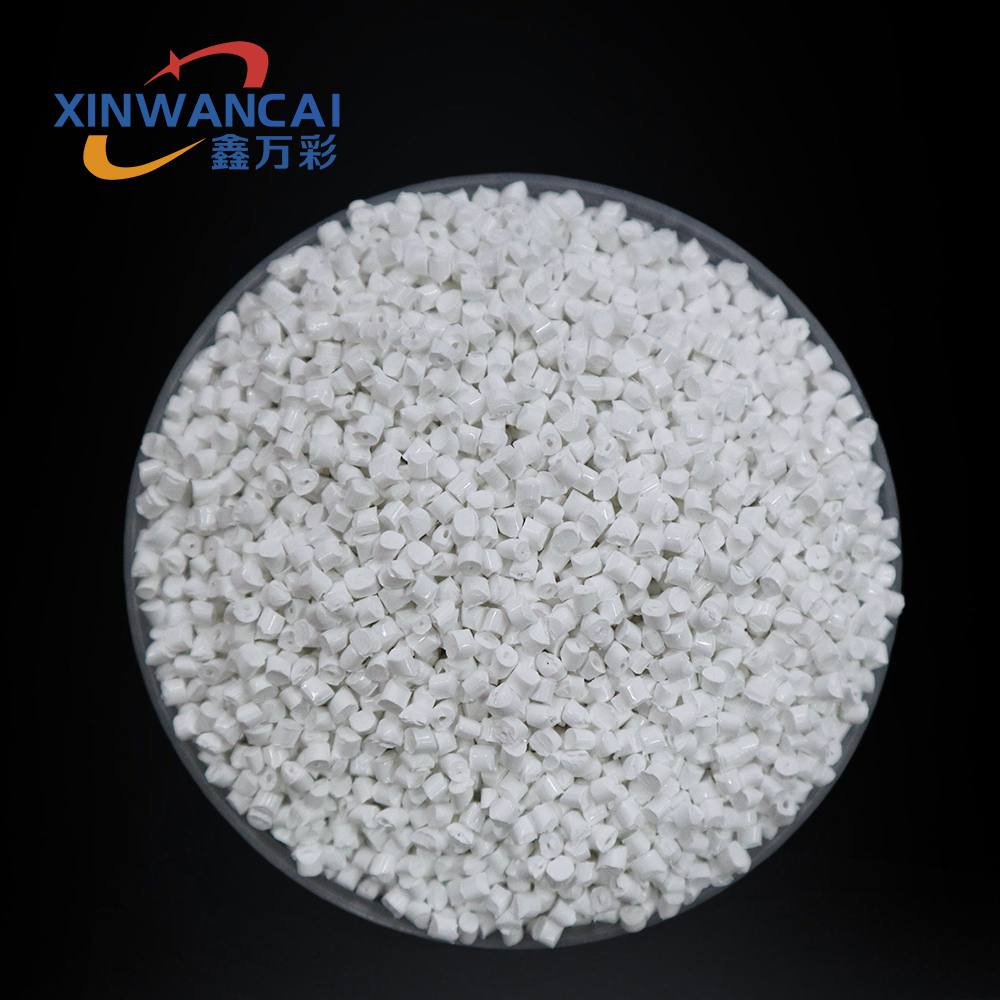
In the competitive world of plastics, achieving the perfect shade of white isn't just about aesthetics—it’s about performance, consistency, and brand identity. Whether you’re molding packaging, automotive parts, or household appliances, the right white masterbatch can make all the difference. That’s where Xinwancai comes in, redefining industry standards with pigments that deliver unmatched opacity, dispersion, and durability. But what truly sets a premium white masterbatch apart? In this post, we peel back the layers on pigment technology, processing tricks, and the hidden factors that elevate your products from ordinary to exceptional. Get ready to discover insights that could transform your production line—and your bottom line.
Mastering Whiteness: The Core of Superior Plastic Aesthetics
Whiteness in plastic is far more than a simple color choice—it’s a silent ambassador of quality, cleanliness, and modernity. A truly superior white transcends the ordinary, evoking a sense of purity that resonates across industries from consumer electronics to home appliances. When done right, it catches light with a subtle brilliance, masking imperfections and presenting a flawless surface that feels both premium and inviting. This deep, consistent whiteness becomes a tactile and visual promise, signaling that the product is engineered for those who notice the details.
Achieving this level of whiteness requires navigating a maze of technical constraints. Base polymers often carry a natural yellowish or grayish undertone, and even minor additive interactions can shift the final shade toward dullness. Thermal degradation during molding or extrusion introduces further discoloration, demanding precise control over temperature and residence time. Mastery lies in selecting the right combination of optical brighteners, titanium dioxide grades, and stabilizers, while fine-tuning pigment dispersion to eliminate mottling. It’s a subtle alchemy where every parameter, from particle size to cooling rate, either elevates the aesthetic or betrays it, turning a simple panel into an object of desire.
Behind the Brilliance: How Premium Pigments Transform Product Perception
The true magic of premium pigments lies in their ability to bend light and perception simultaneously. A deep, mineral-rich cobalt doesn’t just sit on a surface—it seems to breathe, shifting subtly with each angle and creating a sense of depth that mass-market paints can only mimic. Suddenly, a simple ceramic vase feels like a curated artifact, and a lipstick case becomes a tiny sculpture. This isn’t about adding color; it’s about coating an object with presence, making the ordinary feel undeniably deliberate and refined.
What’s fascinating is how our brains respond before we even register what we’re holding. The satin gleam of a high-grade iron oxide or the velvety opacity of a true carbon black triggers an instant emotional reaction—trust, desire, even nostalgia. Designers who understand this don’t just pick “blue”; they pick a pigment that carries a memory of Mediterranean ceramics or monsoon skies. Without a single word, the product whispers a story, and consumers lean in. That silent dialogue is what turns a fleeting glance into a lasting relationship with a brand.
In a sea of sameness, where every shelf overflows with beige plastics and stock-standard gloss, premium pigments are the rebellion. A watchmaker might use a historically sourced ultramarine that seems to hold light captive, or a furniture brand could introduce an ochre that feels excavated from a Tuscan hillside. These choices don’t just separate a product from its competitors—they elevate it into a class of its own, where quality is felt before it is understood, and value is seen long before a price tag ever comes into focus.
Choosing the Right White: Key Factors for Consistent Quality
Selecting the ideal white tone is rarely as simple as grabbing the first shade that looks bright enough. Undertones play a silent but decisive role. A white with cool blue or green hints can sharpen a clean, minimal aesthetic, while warmer ivory or cream tones soften edges and invite a cozier atmosphere. The trick lies in matching these subtle casts to your lighting and surroundings. Natural daylight brings out the truest color, so always sample your top contenders on the actual surface and observe how they shift from morning to evening. A hastily chosen white can end up looking sterile, dingy, or completely out of sync with its neighbors.
Consistency across batches and brands is another overlooked headache. Not all whites are created equal, and a slight formula change can turn a seamless project into a patchy disaster. When working on large surfaces or multiple components that must align visually, it’s wise to source from a single production lot and test for opacity and coverage. High-quality whites often require fewer coats and hide surface flaws better, saving time and frustration. Investing in a reliable product with strong pigment concentration means less retouching and a finish that stays true long after application.
Finally, think about how the white will behave over time and under different conditions. Some finishes chalk or yellow with age, especially in high-moisture or sun-drenched areas. Choosing a white with UV stabilizers and scrubbable properties helps maintain that crisp look without constant upkeep. Sheen level matters too: matte whites conceal imperfections but can be hard to clean, while satin or semi-gloss options offer durability at the cost of highlighting bumps. By weighing longevity, maintenance, and the room’s daily demands, you lock in a white that stays consistently brilliant, not just on day one but for years to come.
Beyond Basic White: Adding Value Through Advanced Masterbatch Solutions
Moving past standard white pigments opens the door to a world of functional and aesthetic opportunities. Advanced masterbatch solutions bring more than just colour; they integrate UV stabilisers, anti-block agents, and slip additives directly into the polymer matrix. This eliminates the need for secondary processing steps, streamlining production while improving the longevity and performance of the final product.
In packaging, for example, a precisely formulated white masterbatch can enhance opacity and brightness without compromising material thickness or recyclability. For automotive components, tailored masterbatches offer superior weatherability and scratch resistance, maintaining a like-new appearance over extended use. These enhancements translate directly into reduced material waste and fewer consumer complaints.
Brands can also leverage customised formulations to create distinct visual effects, from soft matte finishes to high-gloss metallic sheens, all while maintaining the mechanical properties of the base resin. By embedding added functionality at the pellet stage, manufacturers deliver quantifiable value—cutting cycle times, boosting product durability, and enabling streamlined inventory management through multi-functional concentrates.
Real-World Impact: Success Stories of Elevated Plastic Products
When a mid-sized manufacturer of outdoor adventure gear decided to overhaul its flagship line of rugged coolers, it turned to elevated plastic composites that could withstand extreme conditions without adding bulk. The switch to a high-strength, UV-resistant polymer not only slashed production costs by 18% but also boosted field performance—customers reported that the coolers held ice for two extra days in desert heat. This technical win quickly became a brand story, driving a 34% sales surge in the following quarter and landing the product in three major national retailers.
In a different corner of the market, a consumer electronics startup made waves by integrating ocean-bound recycled plastics into the casings of its wireless earbuds. By partnering with a materials innovator, the company turned discarded fishing nets into a tactile, premium-feeling shell that resonated deeply with eco-conscious buyers. The move not only diverted over twelve tons of plastic waste in the first year but also sparked a viral unboxing trend that lifted online engagement by 60%. Without a single traditional ad, the product earned features in design and sustainability publications, proving that responsible material choices can fuel both purpose and profit.
Future Shades: Innovations Driving the Next Wave of White Masterbatch
The evolution of white masterbatch is being propelled by breakthroughs that go far beyond simple pigment dispersion. Nanoscale titanium dioxide, engineered with precision to optimize light scattering, is enabling thinner films and molded parts to achieve exceptional opacity. Alongside this, hybrid filler systems are merging mineral extenders with advanced optical brighteners, cutting raw material costs while boosting whiteness and coverage. These material-level innovations are quietly reshaping what’s possible in packaging, automotive, and consumer goods.
Processing technologies are matching the pace of material science. Ultra-high-concentration masterbatches, once limited by dispersion challenges, are now being delivered with consistent quality thanks to new compounding techniques. Controlled rheology modifiers allow converters to push output rates without sacrificing surface finish or risking pigment agglomeration. The shift isn’t just about doing more with less—it’s about giving manufacturers the latitude to dial in exacting product specifications without compromising on throughput or energy consumption.
Sustainability demands are also fueling an inventive streak. Bio-based carrier resins, compatibilized with recycled polymer streams, are letting white masterbatch shed its petrochemical dependence. Meanwhile, additive packages that boost UV resistance and thermal stability are extending the lifecycle of white goods and outdoor applications, reducing replacement cycles. The future shade of white isn’t just a color—it’s a convergence of performance, efficiency, and environmental responsibility, delivered in pellet form.
FAQ
A standout brand prioritizes pigment quality, dispersion technology, and tailor-made solutions. They invest in advanced manufacturing to ensure batch-to-batch consistency and offer technical support that goes beyond just supplying the product. The result is a masterbatch that delivers brilliant opacity, precise color matching, and reliable processing, which ultimately enhances the manufacturer’s end products.
Premium pigments like high-grade titanium dioxide provide superior opacity and whiteness with lower loading levels, meaning you use less material for the same visual effect. This leads to lighter weight products, reduced costs, and better mechanical properties because there’s less filler diluting the polymer. Additionally, these pigments offer excellent weather resistance and color stability, keeping products looking new longer.
It’s used across many sectors: packaging films where brightness and barrier properties matter, household appliances requiring consistent aesthetics, automotive parts needing durability, and consumer goods like toys where safety and appearance are key. Its versatility comes from the ability to tailor the carrier resin and additive packages to specific processing methods like injection molding, blow molding, or extrusion.
Inconsistent dispersion leads to color streaks, weak spots, and surface defects in the final product. Good dispersion ensures each pigment particle is evenly separated and distributed, which maximizes whiteness and opacity while minimizing usage. It also prevents processing issues like filter clogging or uneven shrinkage, improving production efficiency and reducing waste.
Start by defining your base resin and processing conditions. Then consider the required opacity level, food contact regulations if applicable, and any additional functional needs like UV protection or antimicrobial properties. A reliable supplier will provide data sheets and samples for trial runs. Testing on your exact equipment under real conditions is the best way to confirm compatibility and performance.
Generic masterbatches may seem cheaper upfront but can lead to higher overall costs due to over-use, quality defects, or machinery downtime. Specialized brands design their products to work optimally with specific polymers and processes, ensuring efficient letdown ratios, excellent dispersion, and consistent color. This translates to smoother production, less scrap, and a higher quality final product that meets exact specifications.
High-quality white masterbatch delivers vibrant, uniform color that resists yellowing over time. It also maintains the mechanical strength of the plastic because it doesn’t introduce impurities that weaken the polymer matrix. In applications like thin films, good masterbatch contributes to tear resistance and printability. In molded parts, it ensures a premium surface finish without blemishes.
Developments in nano-pigment technology are enabling higher opacity with less material, while smart additives are adding functions like anti-bacterial properties or laser marking capabilities. Sustainable trends are driving demand for masterbatches made with recycled carriers or bio-based resins. Also, digital color management tools are helping manufacturers achieve faster color matching and tighter quality control.
Conclusion
At the heart of any striking plastic product lies the mastery of whiteness—where purity, brightness, and consistency converge to shape immediate visual appeal. Premium white masterbatch goes far beyond mere coloration; it meticulously engineers the surface aesthetics, ensuring flawless dispersion and unrivaled opacity that set products apart on crowded shelves. This foundational brilliance directly influences consumer perception, as the subtle nuance of a clean, radiant white can evoke qualities of cleanliness, durability, and sophistication. Achieving such consistency demands careful selection of raw materials and processing parameters, from titanium dioxide grade to carrier resin compatibility, because even slight variations in tone or coverage can undermine brand trust. It’s not simply about picking any white; it’s about locking in the exact shade that becomes inseparable from your product identity.
Yet the potential of white masterbatch extends far beyond the basics. Advanced formulations now incorporate functional additives—UV stabilizers, antimicrobial agents, or processing aids—right within the pellet, streamlining production while imbuing plastics with enhanced longevity and performance. Real-world case studies underscore this shift: packaging that maintains crisp, cool whites after thousands of hours under retail lighting; automotive components where deep, consistent whites resist yellowing under extreme heat; medical devices where purity is paramount and visual inspection is immediate. Looking ahead, next-generation innovations are redefining what white can do—from smart pigments that adjust opacity with temperature to recyclable masterbatch designs aligned with circular economy goals. By partnering with a forward-thinking pigment specialist, manufacturers unlock a strategic toolkit that elevates not only the product but the entire brand experience, ensuring that white becomes a signature of quality, not just a background color.
Contact Us
Contact Person: JACK
Email: [email protected]
Tel/WhatsApp: 86 18650130917
Website: https://www.xinwancai.com/