
Tunnel Freezer Factory: Unveiling Cutting-Edge Freezing Solutions
2026-05-11
Step into the future of industrial freezing with Worldbase, where innovation meets efficiency at our tunnel freezer factory. Behind the scenes, we’re redefining sub-zero technology—crafting high-performance systems that lock in freshness and unlock new possibilities for food processing, logistics, and beyond. Curious how a single pass through our tunnel can transform your production line? Let’s take a closer look.
The Mechanics Behind Precision Freezing
At its core, precision freezing isn’t simply about lowering temperature—it’s about mastering the phase transition from water to ice. Conventional freezing often creates large, irregular crystals that rupture cell walls and change texture upon thawing. Precision approaches, by contrast, drive the process through a narrow temperature band where nucleation is tightly orchestrated. This rapid, uniform cooling encourages the formation of countless microscopic ice crystals, evenly dispersed throughout the material. The result is a near-perfect preservation of structure, whether you’re dealing with delicate food tissues or sensitive biological samples.
The real engineering feat lies in how heat is pulled away. Instead of simply blasting cold air, advanced systems use directed airflow, contact with chilled plates, or even liquid nitrogen sprays to achieve high heat transfer rates and minimize thermal gradients. By steering the freezing front with precision, the system avoids the destructive effects of slow freezing, where solutes concentrate and cause osmotic stress. Sensors and control algorithms constantly adjust parameters, compensating for variables like load size or initial temperature—ensuring that every part of the product passes through the critical zone in the shortest possible time.
These mechanisms extend well beyond the kitchen or lab bench. From preserving the bright snap of a fresh pea to safeguarding complex protein structures in pharmaceuticals, precision freezing relies on a blend of thermodynamics and smart design. It’s less brute force and more a carefully choreographed heat exchange, tailored to the unique thermal properties of whatever is being frozen. That subtlety is what elevates it from a mere preservation technique to a tool that maintains quality at a molecular level.
How Smart Technology Redefines Consistency
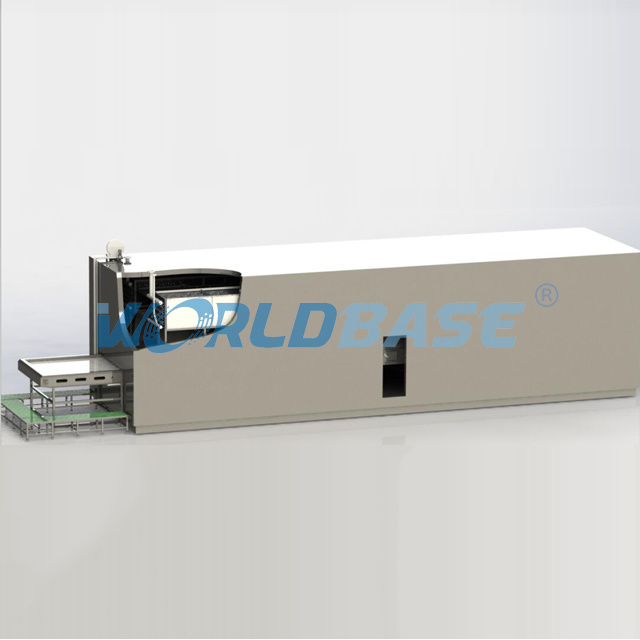
Smart technology doesn't just enforce uniformity—it reimagines consistency as a fluid, context-aware response. Traditional consistency relied on rigid checklists and human memory, which inevitably slipped. Now, embedded sensors and real-time analytics allow systems to track subtle variations in temperature, pressure, or user behavior and adjust on the fly. This means a consistent outcome isn't about repeating the exact same steps; it's about achieving the same high standard even when conditions shift. A coffee machine that tweaks grind size based on humidity, or a car assembly robot that compensates for part wear without pausing, exemplifies this shift from mechanical repetition to intelligent steadiness.
What makes this redefinition striking is its invisible hand in everyday experiences. Streaming platforms don't just buffer content—they predict network fluctuations and preload scenes to avoid interruption, creating a seamless viewing illusion. In healthcare, wearable devices learn an individual's baseline and flag deviations so subtle that even the wearer wouldn't notice. This isn't about robotic sterility; it's about crafting a dependable environment that feels personal. The consistency we now expect is a silent partner that anticipates needs, erasing the gap between what we want and when we get it.
Energy-Saving Designs That Cut Costs Quietly
Many building upgrades that slash utility bills operate so subtly you hardly notice them. Smart thermostats learn daily rhythms and adjust temperatures only when needed, trimming heating and cooling expenses without any manual fuss. Meanwhile, modern insulation materials slip into walls and attics, blocking heat escape so gently that indoor comfort stays consistent year-round while energy meters slow down.
Lighting often gets overlooked, yet swapping outdated bulbs for LEDs can quietly halve electricity use in a home or office. Pair them with motion sensors in hallways or storage areas, and lights only activate when someone passes through, eliminating wasted power in empty rooms. Even appliance choices matter—energy-efficient refrigerators and washing machines hum along using far less water and electricity, their savings accumulating month after month without a sound.
Outside the building envelope, landscaping can play a silent role in cost cutting. Planting deciduous trees on sun-facing sides provides cool shade in summer, reducing air conditioning demand, then lets warm sunlight through in winter after leaves drop. Green roofs and permeable paving manage stormwater naturally, lessening the load on drainage systems, all while the property owner enjoys lower bills that reflect these thoughtful, hidden efficiencies.
Custom Configurations for Niche Production Lines
When off-the-shelf machinery falls short, tailoring every element of the production line becomes essential. From adjusting conveyor speeds to handle delicate botanicals to integrating specialized filling heads for viscous sauces, these custom configurations ensure that unique product characteristics are respected at every stage. The result is a seamless flow that preserves integrity and elevates output, often with the same footprint as standard setups but with dramatically better suitability.
Beyond mechanical tweaks, smart controls and modular station designs allow easy reconfiguration for short runs or seasonal variations. A brewery packaging limited-edition barrel-aged stouts, for instance, might switch from standard crown caps to cork-and-cage finishes within minutes, without sacrificing line speed. This adaptability thrives on close collaboration between engineers and production teams, crafting solutions that feel intuitive rather than tacked on.
Maintenance and scalability don't get sidelined in these bespoke lines either. Thoughtful choices like quick-release guide rails, common spare parts across custom modules, and accessible layout planning mean that unique doesn't mean unrepairable. As niche markets grow, the line can evolve—adding a labeling station for new markets or an inspection unit for heightened quality demands—without a ground-up rebuild, protecting both initial investment and long-term agility.
From Seafood to Ready Meals: Versatility in Action
The same kitchen that expertly fillets fresh salmon and flash-fries calamari also crafts hearty seafood chowders and delicate fish cakes. It’s a seamless shift from handling raw ingredients to assembling complete meals, where every technique serves double duty. Poaching liquid becomes a bisque base, trimmings transform into rich stocks, and what starts as a simple fillet can end up in a fragrant Thai curry or a comforting pot pie. This isn't just about efficiency—it's a mindset that sees the whole ingredient, not just the prime cuts.
Beyond the classic fishmonger’s counter, versatility means rethinking formats. Smoked mackerel pâté sits alongside grab-and-go sushi bowls; marinated octopus tentacles are vacuum-sealed for the grill, while shrimp gets folded into dumpling fillings or tossed in zesty ceviche kits. The line between raw seafood and ready-to-eat blurs when freshness is captured at its peak and then cleverly extended through curing, lightly cooking, or pairing with vibrant sauces. Each product is designed for the modern eater—someone who might sear a tuna steak one night and tear open a package of lobster ravioli the next.
This cross-category approach thrives on agility. Supply chains that once shipped only whole fish now deliver heat-and-eat trays of seafood lasagna and frozen paella mixes topped with mussels and prawns. Menus evolve from market finds, turning a surplus of scallops into a limited-batch brandade. It’s cooking that respects the ocean’s bounty by ensuring nothing goes to waste, while giving customers the freedom to enjoy it however they please: as a fuss-free dinner, a party spread, or a quick protein boost after the gym.
Beyond the Machine: A Vision for Sustainable Cooling
Cooling isn’t just about hardware—it’s a mindset that shapes how we interact with our environment. The real challenge lies in designing systems that work with nature, not against it. By rethinking the relationship between heat and comfort, we uncover ways to stay cool without overwhelming the planet. It’s a shift from brute-force machinery to clever, adaptive solutions that respect local climates and resources.
Imagine a future where buildings breathe, materials self-regulate temperature, and communities share cooling spaces instead of each owning an energy-hungry unit. This vision builds on ancient wisdom—like wind towers and earth cooling—updated with modern insight. It’s not about adding more technology but about weaving cooling into the fabric of our lives seamlessly, reducing demand at the source.
Real progress means measuring success not just in energy savings but in resilience and equity. When cooling becomes a collective effort, we protect vulnerable populations from heat stress and cut emissions simultaneously. It’s a path that doesn’t ask us to sacrifice comfort—just to redefine it, turning every building and street into a living breathing part of a cooler world.
FAQ
Rather than just assembling standard units, the factory integrates advanced airflow dynamics and precision temperature control into every design. This approach minimizes product dehydration and ensures uniform freezing, even for delicate items. It's a blend of engineering rigor and practical know-how that directly translates to longer shelf life and better texture for the end product.
The tunnel freezers use adaptable belt systems paired with modular airflow zones. By fine-tuning air speed and direction at different stages, products like oddly shaped chicken parts or pastries are frozen evenly without sticking or clumping. It's not a one-size-fits-all method; each setup is calibrated based on the product's thermal properties and geometry.
Absolutely. While food dominates, the team has engineered tunnels for pharmaceutical vials, biotech samples, and even industrial components that require cryogenic treatment. The customization goes from belt materials to automated loading/unloading interfaces, ensuring compatibility with strict hygiene or cleanroom standards where needed.
It's central. The factory employs variable speed drives, waste heat recovery systems, and smart defrost cycles that cut energy use by up to 30% compared to conventional freezers. The design also uses high-efficiency evaporators and optimized coil spacing to maintain peak performance while lowering operational costs over the equipment's lifespan.
Each unit undergoes a simulated production run using actual client products or test media with similar characteristics. Thermal mapping probes verify temperature uniformity, and cycle times are benchmarked against contractual targets. Only when the data shows consistent results across multiple batches does the freezer get signed off, ensuring no surprises during installation.
Beyond standard warranty, you get direct access to the engineering team for process optimization. They offer remote monitoring setups that alert on abnormal conditions, and stock critical spare parts regionally. Regular tuning visits are available to adapt the freezer as your product mix evolves, so it remains a long-term asset, not a static appliance.
All units feature fully welded stainless steel interiors, sloped floors for complete drainage, and CIP-compatible components. The design avoids hidden corners where bacteria could thrive, and belt lifters facilitate thorough cleaning between production runs. It's built to exceed both NSF and European hygiene standards, simplifying plant sanitation protocols significantly.
Conclusion
The Tunnel Freezer Factory stands at the intersection of precision engineering and smart innovation, redefining what industrial freezing can achieve. By leveraging finely tuned airflow dynamics and advanced heat exchange systems, these machines lock in product quality with remarkable accuracy. Integrated IoT sensors and adaptive controls continuously adjust temperature and belt speed, eliminating the guesswork that once led to uneven results. This intelligent consistency ensures every item—whether delicate fillets or dense prepared meals—retains its texture, moisture, and nutritional integrity. Behind the scenes, variable-speed compressors and optimized defrost cycles quietly slash energy consumption, proving that high performance doesn’t have to come with a heavy utility bill.
Beyond the core machinery, the factory’s approach embraces flexibility and environmental stewardship. Modular designs allow for tailored configurations that fit unique production lines, from narrow spaces to high-throughput demands, without compromising freezing efficiency. The same system that flash-freezes shrimp can handle bakery goods or complete ready-to-eat dishes, a versatility that streamlines operations across industries. Yet perhaps the most forward-thinking aspect lies in the vision for sustainable cooling—using natural refrigerants and heat recovery systems that turn waste into a resource. It’s not merely about preserving food; it’s about preserving the planet while keeping production costs in check, making the tunnel freezer a quiet yet powerful ally in the cold chain.
Contact Us
Contact Person: Mr Yang
Email: [email protected]
Tel/WhatsApp: +8613809083091
Website: https://en.worldbase.cn