
Top Sheet Metal Trends Driving Modern Manufacturing
2026-06-12
What if the future of manufacturing hinges not on giant leaps, but on the quiet revolution of a single, essential process? Sheet metal fabrication—the silent workhorse behind everything from automotive frames to electronic enclosures—is being transformed by a wave of trends that promise unprecedented speed, precision, and sustainability. TPS knows that keeping pace with these shifts isn't optional; it's the key to unlocking new efficiencies and design possibilities. In this post, we peel back the layers on the most impactful sheet metal trends shaping modern manufacturing, and why they matter now more than ever.
Smart Factories Embrace Sheet Metal Automation
The shift toward automated sheet metal processing is quietly reshaping what happens on the factory floor. Instead of rows of standalone presses and operators tweaking setups by hand, smart facilities now link robotic press brakes, self-adjusting laser cutters, and autonomous material carts into a seamless network. These machines don’t just follow a schedule—they share data, adjust on the fly, and flag imperfections before they become scrap. The result is a rhythm that feels less like traditional manufacturing and more like a continuous, self-correcting conversation.
What often gets overlooked is the human side of this transition. Skilled workers used to spend hours bent over templates, but now they’re orchestrating clusters of cells from a tablet, stepping in only when the system signals a hiccup. It’s shifted training toward process logic and subtle parameter tuning rather than brute repetition. That change keeps veteran knowledge in play and turns tedious shifts into analytical work, which a surprisingly high number of floor teams find more satisfying once they settle into it.
Material efficiency is another quiet win. Pairing live nesting algorithms with automated loading and sorting squeezes usable parts out of remnants that manual methods would discard. Some shops report scrap drops of twenty percent or more, just by letting the software juggle part orientations across multiple orders at once. When leftover trims shrink from dumpster loads to a handful of strips, it’s impossible to ignore how quickly the savings pile up, often covering the equipment cost far sooner than forecast.
Digital Twins Reshape Metal Fabrication
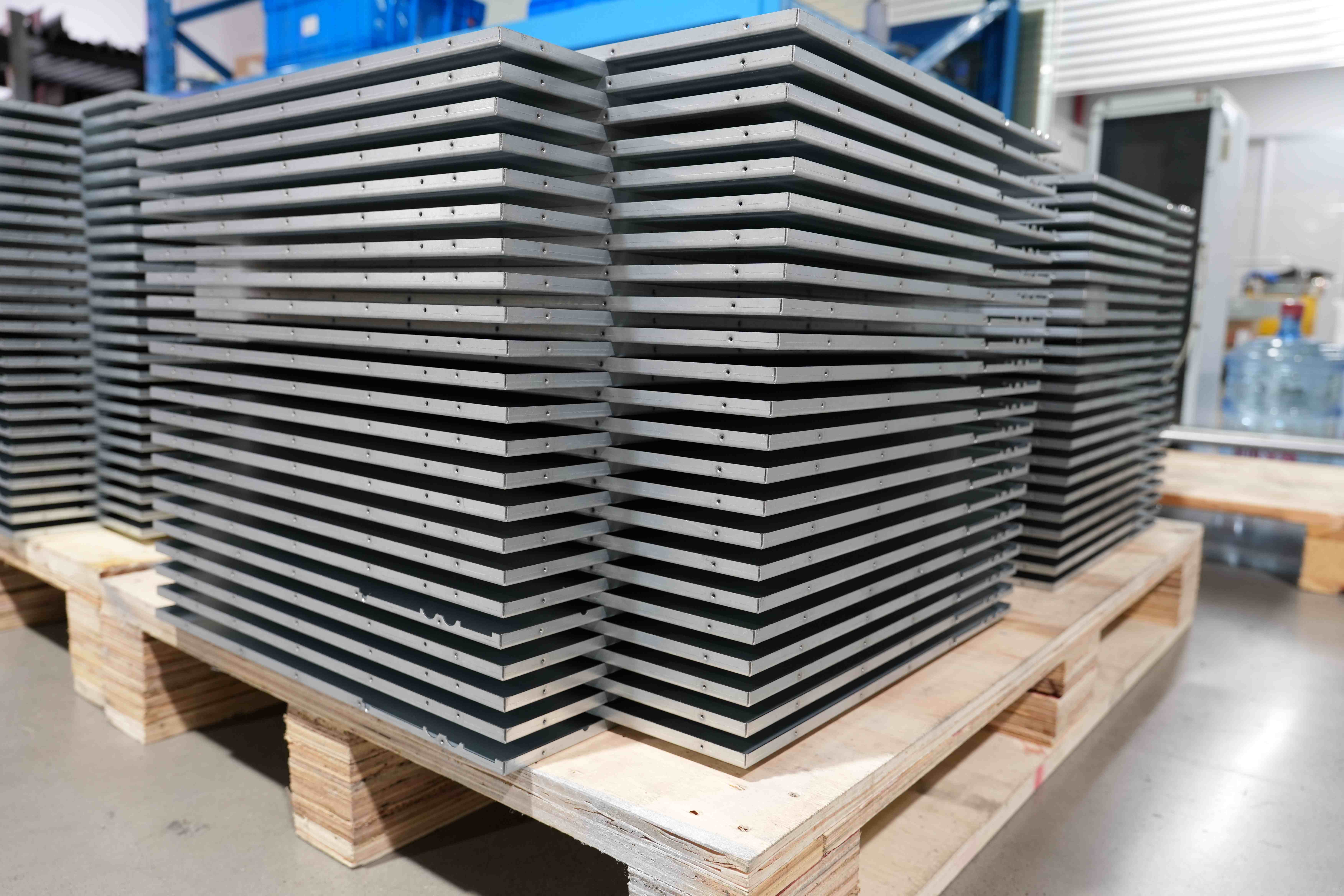
The integration of digital twins into metal fabrication is rewriting the rules of production. Instead of relying solely on physical prototypes and trial-and-error adjustments, fabricators now harness real-time virtual replicas that mirror every machine, process, and material behavior. This shift allows engineers to simulate bending, welding, and cutting operations with astonishing precision, anticipating defects before a single piece of metal is touched. The result is not just fewer scrapped parts but a fundamental acceleration in the design-to-delivery cycle.
Beyond mere simulation, these living digital models evolve alongside their physical counterparts. Sensors embedded in press brakes, laser cutters, and robotic welders feed continuous data back into the twin, enabling on-the-fly calibration and predictive maintenance. When a machine begins to drift from its ideal parameters, the system flags the anomaly and even proposes corrective actions, slashing downtime and preserving tight tolerances. For highly regulated sectors like aerospace or medical device manufacturing, this traceable, data-rich environment also simplifies compliance and auditing.
Looking ahead, the true transformation lies in how digital twins connect the factory floor with the supply chain. By sharing anonymized performance data with material suppliers and clients, fabricators can co-optimize stock levels, lead times, and part specifications. A digital twin of a welded assembly, for instance, might reveal that a minor change in sheet metal thickness could reduce fatigue risk without compromising strength—a discovery that then propagates back to the supplier’s rolling process. In this way, the technology dissolves barriers between design, production, and distribution, turning metal fabrication into a seamlessly adaptive ecosystem.
Lightweight Alloys Redefine Structural Integrity
The push towards lighter, stronger materials has turned lightweight alloys into game-changers for structural design. Aluminum, magnesium, and titanium blends are shedding weight while boosting load-bearing capacity, allowing engineers to rethink frameworks in aerospace and automotive sectors. These alloys don’t just trim kilograms—they reshape how we balance durability and performance, making once-impossible designs a daily reality.
What sets modern alloys apart is their ability to distribute stress more evenly across a structure. Microstructural tweaks, like grain refinement and precipitation hardening, create materials that resist fatigue and fracture far better than traditional metals. This means components can endure repeated loads without creeping deformation, a shift that directly extends the lifespan of bridges, aircraft wings, and high-speed machinery.
Real-world applications are already proving the point. New magnesium-lithium alloys, for instance, slash component weight by up to 30% while matching the stiffness of heavier counterparts. In aviation, this translates to fuel savings and lower emissions, without compromising safety margins. It’s a quiet revolution in material science—one where integrity isn’t sacrificed for lightness, but rather reinforced by it.
Robotic Forming Enhances Precision and Speed
Robotic forming systems are redefining what’s possible in manufacturing by merging raw power with pinpoint accuracy. Unlike manual operations where fatigue and inconsistency creep in, robotic arms execute each bend, press, or roll with repeatable micron-level precision. This consistency ensures that every part meets exact specifications, slashing scrap rates and virtually eliminating the need for rework.
Speed is another domain where these machines excel. Traditional forming methods often involve stop-start workflows and lengthy tool changes, but robotic cells thrive on continuous motion. They can rapidly switch between tasks or even handle multiple operations in a single setup, dramatically shrinking cycle times. The result is a production line that delivers high volumes without sacrificing quality, giving manufacturers a tangible edge in tight markets.
Beyond the basics, adaptive control takes robotic forming even further. Sensors embedded in the end effectors measure force, temperature, and material behavior in real time, allowing the system to micro-correct on the fly. This means complex geometries and high-strength alloys—once challenging or impossible to form reliably—are now tackled with ease. It’s a leap forward that turns unpredictability into a managed, efficient process.
Sustainable Practices Cut Waste in Metalworking
Metalworking shops are rethinking every stage of production to minimize material scrap. Instead of treating offcuts as inevitable byproducts, many now use advanced nesting software that optimizes how parts are arranged on sheet metal, boosting material utilization by up to 20%. Some facilities have gone further, investing in powder-bed additive systems that build near-net-shape components directly from metal powder, virtually eliminating the need for rough machining and the associated waste piles.
Cutting fluids and lubricants have long been a hidden waste stream, but dry and semi-dry machining techniques are changing the equation. By replacing flood coolant with precisely directed air-oil mist or low-temperature CO₂, shops drastically reduce fluid consumption and the energy spent on filtration and disposal. Closed-loop filtration systems recover and clean fluids for reuse, extending their life by months and keeping hazardous sludge out of landfills.
Sustainability in metalworking also extends to energy and tooling. High-efficiency motors and regenerative drives on CNC machines capture braking energy and feed it back into the facility grid. Meanwhile, regrinding and recoating of worn drills and end mills slashes the need for new carbide tools, cutting both consumption and the carbon-heavy manufacturing of replacement tooling. These layered improvements, while individually modest, together reshape the industry's environmental footprint.
On-Demand Prototyping with 3D Sheet Metal Printing
The shift toward on-demand prototyping with 3D sheet metal printing has reshaped how engineers approach early-stage design verification. Rather than waiting days or weeks for stamped or bent prototypes, teams can now produce functional metal parts directly from digital files. This method sidesteps the need for hard tooling, making it possible to iterate rapidly on geometries that would be cost-prohibitive with traditional methods. Complex folds, integrated hinges, and lattice structures can be printed in a single build, preserving the strength and material properties expected from sheet metal.
Unlike conventional subtractive or forming processes, 3D sheet metal printing builds components layer by layer using metal powders or wire, often combined with laser sintering or electron beam melting. The result is a seamless transition from CAD to physical part, even for hollow features or undercuts that would challenge press brakes. Because no custom dies or fixtures are needed, one-off prototypes become economically viable, and material waste is drastically reduced. This allows design teams to experiment with thinner walls, lighter reinforcements, or novel alloys without the overhead of minimum order quantities.
In practice, on-demand sheet metal printing serves as a bridge between virtual models and mass production. Prototypes can be tested under real-world loads, validated for assembly fit, and refined within the same week. Small-batch manufacturing also benefits when demand is sporadic—spare parts, custom brackets, or enclosure prototypes can be produced as needed, eliminating inventory costs. The technology gives engineers the freedom to fail fast, learn faster, and ultimately bring more resilient designs to market with confidence.
FAQ
Automation is streamlining sheet metal production like never before. Robots now handle repetitive tasks such as bending, welding, and material handling with incredible precision, reducing errors and freeing up skilled workers for more complex jobs. It's not just about replacing labor—it's about boosting consistency and output while cutting lead times.
They're actually complementing each other. Additive manufacturing excels at creating complex, lightweight structures, while sheet metal remains the go-to for durable, cost-effective parts. We're seeing hybrid workflows where 3D-printed components are integrated with sheet metal assemblies, unlocking designs that were previously impossible.
IoT connects machines, sensors, and systems, turning a factory floor into a data-driven environment. Real-time monitoring predicts maintenance needs, tracks material usage, and optimizes production flow. It's like giving every press brake and laser cutter a voice, leading to smarter decisions and less downtime.
High-strength steels, aluminum alloys, and even composites are pushing boundaries. These materials allow for thinner, lighter parts without sacrificing strength, which is a game-changer for industries like automotive and aerospace. They also demand updated tooling and processing techniques, keeping manufacturers on their toes.
Absolutely. Shops are adopting practices like recycling scrap metal, using energy-efficient equipment, and optimizing nesting to reduce waste. Some are even exploring closed-loop systems. It's driven by both regulations and a growing demand from customers who want greener supply chains.
A digital twin is a virtual replica of a physical process or product. It lets manufacturers simulate and test bending sequences, tool paths, and assembly before cutting any metal. This reduces costly trial-and-error, speeds up prototyping, and helps catch issues early—saving time and money.
Conclusion
The manufacturing floor is transforming as smart factories weave together sheet metal automation with real-time data. Machines no longer just cut and bend; they learn. Digital twins simulate entire fabrication workflows before a single sheet is touched, spotting flaws and fine-tuning parameters. This virtual rehearsal slashes waste and accelerates production. Meanwhile, lightweight alloys are rewriting the rules of structural design—materials once reserved for aerospace now reinforce automotive frames and architectural shells without adding bulk. These shifts aren't isolated; they feed into a broader push for agility. Robotic forming cells, equipped with adaptive grippers and vision systems, hit tolerances human hands can't match, while slashing cycle times. The result is a factory that thinks, adjusts, and delivers with a consistency that traditional shops struggle to replicate.
Sustainability has moved from a checkbox to a driver of innovation. Closed-loop systems recycle scrap on the spot, turning offcuts into feedstock for new parts. Additive manufacturing with sheet metal—think bound powder deposition or direct energy processes—enables on-demand prototyping that bypasses tooling bottlenecks entirely. A bracket or enclosure can go from file to physical part in hours, not weeks. This rapid iteration encourages bolder geometries and lighter assemblies, ultimately reducing material consumption. Across the industry, the message is clear: precision, speed, and responsible production aren't competing goals. When robotic forming, digital twins, and green practices intertwine, sheet metal work becomes not just faster but fundamentally smarter—building components that are stronger, lighter, and born from a process that wastes almost nothing.
Contact Us
Contact Person: Lily
Email: [email protected]
Tel/WhatsApp: +49 (0) 2161 49526-0
Website: https://tps-elektronik.com/en/