
Top IBC Tank Solutions for Safe and Efficient Liquid Storage
2026-05-27
When it comes to storing liquids safely and efficiently, not all IBC tank solutions are created equal. From industrial chemicals to food-grade ingredients, the right intermediate bulk container can make or break your operation. In this post, we’ll explore top-tier options that combine durability, leak-proof design, and easy handling—and why trusted brands like DYE are leading the way. Dive in to discover how to optimize your liquid storage with the best IBC tanks on the market.
IBC Tanks Built to Withstand Aggressive Chemical Environments
When handling highly corrosive substances, standard containers simply won't do. IBC tanks engineered for aggressive chemicals incorporate advanced materials like high-density polyethylene (HDPE) with fluorination treatment, which creates a robust barrier against permeation and chemical attack. This isn't just about using thicker walls—it's about molecular-level defense that stops solvents, acids, and alkalis from degrading the container over time.
Beyond the inner bottle, the protective cage and pallet are often coated with epoxy or hot-dip galvanized finishes to resist corrosion from spills or fumes. Gaskets and seals made from chemical-resistant elastomers, such as EPDM or Viton, ensure leak-proof performance even when exposed to aggressive media. Every component, from the valve body to the tamper-evident cap, is chosen to maintain integrity in harsh environments like chemical processing plants or waste treatment facilities.
Real-world demands mean these tanks are subjected to rigorous testing beyond basic UN standards. Advanced designs include features like anti-surge baffles that prevent structural stress during transport, and double-ball valves with secondary containment to minimize the risk of leaks. Whether storing sulfuric acid at a metal finishing shop or hydrogen peroxide in a textile mill, these IBCs are built to endure daily exposure without compromise, ensuring safety and extending the service life of your liquid handling assets.
Precision-Engineered Liners for Leak-Proof Liquid Containment
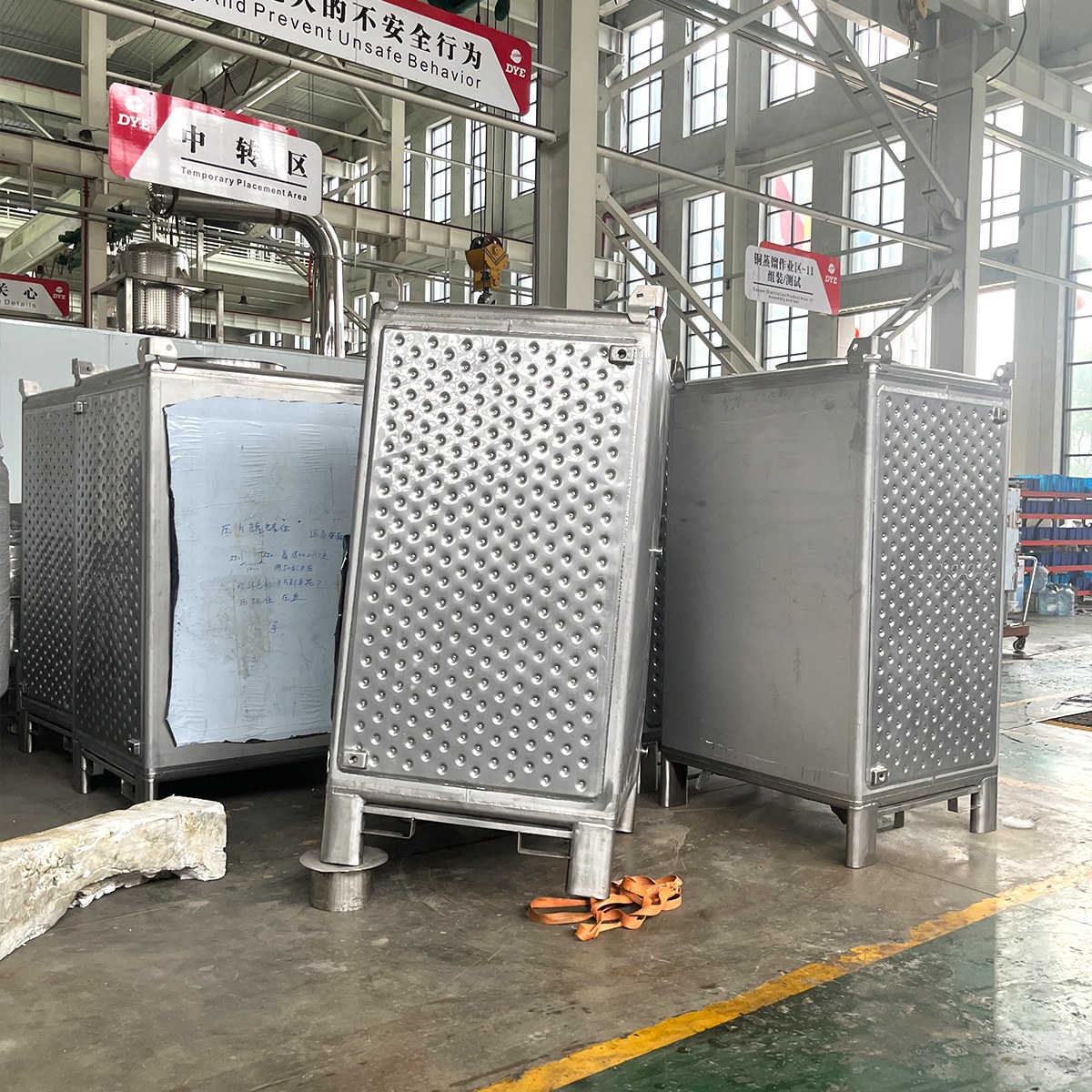
Achieving reliable liquid containment starts with liners designed to match the exact contours and demands of the structure they protect. Instead of offering a one-size-fits-all solution, our approach focuses on tailoring each liner's thickness, flexibility, and chemical resistance to the specific liquids and environmental conditions it will face. This precision ensures that every seam, corner, and penetration is reinforced where stress concentrates, eliminating the weak points that often lead to leaks.
The manufacturing process employs advanced fabrication techniques that go beyond simple heat welding. Panels are pre-cut using CNC-guided systems to minimize on-site seaming, while robotic welders create bonds that consistently exceed industry strength standards. We integrate features like anchor tabs, compression seals, and flexible boots around pipes, all designed to move with the structure without compromising the barrier. The result is a liner system that acts as a seamless, continuous membrane, even as the substrate settles or shifts over time.
Testing plays a critical role in validating the leak-proof promise. Every completed liner undergoes multi-stage inspections, including high-voltage spark tests to detect microscopic breaches and hydrostatic pressure trials that simulate real-world loads. We don't just check for leaks; we measure the liner's ability to withstand prolonged chemical attack, UV degradation, and thermal cycling, ensuring long-term performance without reliance on redundant layers or costly secondary containment measures.
Stackable Frame Designs That Maximize Warehouse Space
When every square foot counts, stackable frame systems turn vertical dead space into usable storage without the need for major renovations. These designs typically feature interlocking bases and reinforced corners, letting you safely stack units three, four, or even five high while keeping loads stable. Unlike traditional shelving, they adapt to odd-shaped inventory like long pipes, bulky panels, or irregularly shaped crates, so you're not forced into standardized bin sizes that waste clearance room.
A well-engineered stackable frame doesn't just go upward—it also streamlines ground-level operations. Many designs incorporate forklift pockets and crane lugs, so entire stacks can be moved as single blocks during layout changes. Some even have removable side panels or drop-down gates, turning the frame into a mobile picking station. That flexibility means you can quickly reconfigure zones based on seasonal inventory shifts, keeping throughput high without permanently sacrificing floor area to fixed racking.
Durability is another quiet advantage. These frames are often built from structural steel with powder-coat finishes that handle humidity, forklift bumps, and constant restacking better than wire decking or particleboard shelves. By investing in modular, stackable units, warehouses often delay or avoid costly expansion projects. Instead of adding square footage, they simply stack their existing footprint higher—and when business needs change, the frames can be broken down and relocated instead of being scrapped.
Integrated Valve Systems for Error-Free Dispensing Operations
In precision-driven manufacturing environments, the smallest dispensing error can cascade into product defects or material waste. Integrated valve systems tackle this by synchronizing flow control, pressure regulation, and feedback mechanisms into a single cohesive unit. This eliminates the lag and miscommunication often seen when individual components are pieced together, resulting in fluid application that stays within exact tolerances cycle after cycle.
Rather than relying on periodic manual checks, these systems employ embedded sensors and adaptive algorithms to continuously self-correct. If a nozzle begins to clog or viscosity shifts mid-run, the valve assembly instantly adjusts its opening and closing profiles to compensate. This closed-loop approach slashes the risk of drips, streaks, or incomplete coverage—issues that otherwise require costly rework or scrap.
Operators benefit from a streamlined interface where multiple dispensing points are managed from one central controller. Recipe changes and volume adjustments happen with a few taps, drastically cutting setup time between production batches. The result is a quieter, cleaner line where sudden stops for troubleshooting become rare, and every part leaves the station with identical, defect-free deposit placement.
Reinforced Pallet Bases for Stable Forklift Handling
Forklift handling puts immense stress on pallet bases, especially when loads shift during transport. Our bases incorporate cross-directional reinforcement ribs that distribute weight evenly, preventing the sagging or cracking common in standard designs. This structural integrity means each pallet can withstand repeated lifting cycles without compromising stability.
We use a high-density polyethylene blend with impact modifiers, giving the base the toughness to endure fork tine entry from any angle. The reinforced sections are thicker at key stress points, yet the overall weight remains manageable. This balance of strength and lightness reduces wear on forklifts while ensuring the pallet holds its shape under dynamic loads.
Beyond the physical enhancements, the base geometry minimizes lateral movement when lifted. Strategic chamfers guide fork tines into position smoothly, while built-in friction pads on the bottom keep the pallet from sliding on steel decks. These details add up to a more predictable handling experience, reducing the risk of load tilts and workplace incidents.
Certified Food-Grade Containers for Sensitive Beverage Storage
Storing beverages like kombucha, cold brew, or fresh-pressed juice demands more than just a sturdy vessel. Sensitive liquids react with certain materials, leading to off-flavors, odor absorption, or even chemical leaching that can spoil an entire batch. Certified food-grade containers are built from materials specifically tested to maintain purity, ensuring that what you taste is the beverage itself, not the container it came from.
Not all food-safe labels are created equal. Certifications from bodies like the FDA, EFSA, or LFGB involve rigorous testing for migration limits and material stability under various temperatures and acidities. This is crucial for acidic or fermented drinks that can corrode subpar plastics or metals, releasing unwanted substances into your product. Choosing a container with verified certification gives you a documented guarantee that it’s engineered to handle the unique chemistry of sensitive beverages without compromise.
Beyond material safety, these containers are often designed with practical features that preserve beverage quality. Advanced seals prevent oxygen ingress that causes oxidation, while UV-blocking or opaque walls protect light-sensitive nutrients. Many are stackable and easy to sanitize, supporting efficient production workflows while maintaining the integrity of every drop. For anyone serious about crafting or storing premium beverages, certified food-grade containers aren’t just an option—they’re the foundation of a reliable and trustworthy process.
FAQ
IBC tanks offer a larger capacity, often holding up to 275 or 330 gallons, which reduces the need for multiple containers. They’re stackable, durable, and designed for easy forklift handling, saving both space and labor. Their robust cages and pallet bases provide better protection during transit compared to standard drums.
They come with tightly sealed valves and gaskets, often with a tamper-evident cap. The inner bottle is typically made of high-density polyethylene that resists cracking, while the galvanized steel cage absorbs impacts. Some models also include a sump or secondary containment to catch any drips.
They’re suitable for a wide range—from water and food-grade ingredients to chemicals and pharmaceuticals. The key is matching the tank material to the liquid’s corrosive properties. For aggressive chemicals, you might need a tank with a fluorinated inner layer or a stainless steel version.
Most IBC tanks have a bottom discharge valve, often 2-inch ball or butterfly type, which allows quick gravity draining. You can attach hoses or adapters directly to it. Many models also have a sloped bottom to ensure complete drainage, minimizing waste.
Look for tanks certified by bodies like FDA or EU food-contact regulations. These have inner bottles made from virgin, non-toxic polyethylene and are free from BPA. They’ll be clearly marked as food-grade and should not have previously held non-food substances unless properly reconditioned.
Yes, they’re often designed for multiple trips. Cleaning depends on what was stored—water rinsing for non-hazardous materials, or specialized cleaning agents and high-pressure washing for chemicals. Avoid harsh abrasives that could scratch the inner surface. Always inspect valves and seals before reuse.
Common sizes are 275 and 330 gallons, with typical dimensions of about 48” x 40” x 46”. They can handle specific gravities up to 1.9, meaning they can safely store denser liquids if the cage is rated for the weight. Always check the UN/DOT rating for maximum gross mass when full.
Conclusion
When dealing with aggressive or sensitive liquids, the integrity of storage containers is paramount. Top-tier IBC tanks are engineered with specialized liners and robust materials to safely contain everything from corrosive chemicals to high-purity beverages. Advanced liner technology creates a virtually leak-proof barrier, while reinforced outer cages protect the inner vessel from impact and environmental stress. For industries requiring strict hygiene, certified food-grade IBCs ensure that sensitive liquids like wine or dairy products are stored without contamination or flavor alteration. These tanks undergo rigorous testing to meet international standards, providing peace of mind that your product remains secure from fill to dispense.
Beyond safety, efficient logistics are central to modern liquid storage. Stackable IBC frames revolutionize warehouse organization, allowing vertical stacking that dramatically increases storage density without compromising stability. Integrated valve systems streamline dispensing, reducing the risk of spills or dosing errors—especially critical when handling high-value or hazardous fluids. Furthermore, reinforced pallet bases are designed for seamless forklift integration, ensuring stable transport across facilities. Whether moving drums across a processing floor or optimizing storage in a compact space, these design innovations translate into measurable time and cost savings.
Contact Us
Contact Person: Ada Xu
Email: [email protected]
Tel/WhatsApp: 0577-86806088
Website: https://www.dayuwz.com/