
Top Flour Processing Machines: Maximizing Efficiency in Modern Bakeries
2026-04-22
In the bustling world of modern bakeries, efficiency isn't just a goal—it's the key ingredient that transforms flour into profit. As bakeries strive to meet growing demands while maintaining impeccable quality, the spotlight turns to top flour processing machines that can streamline operations and elevate production. At the forefront of this revolution stands PINGLE, a brand synonymous with innovation and reliability in the baking industry. Today, we delve into how cutting-edge technology, from high-capacity mixers to precision grinders, is reshaping the way bakers work, promising not only speed but also consistency and sustainability. Join us as we explore the machines that are setting new standards, and discover why PINGLE has become a trusted partner for bakers worldwide looking to maximize their output without compromising on the art of baking. Ready to see how your bakery can rise to the challenge? Let's dive in.
Innovative Dough Mixers Revolutionizing Bakery Operations
Traditional bakeries have long relied on bulky, time-consuming mixers that require constant oversight, often leading to inconsistent dough quality and operational bottlenecks. Today, innovative dough mixers are transforming this landscape by integrating advanced technologies such as precision sensors and automated controls. These modern machines can monitor temperature, hydration levels, and mixing time in real-time, ensuring each batch of dough meets exacting standards with minimal human intervention. Bakers are reporting significant time savings as these mixers streamline workflows, allowing staff to focus on creative tasks rather than repetitive manual labor, ultimately boosting both productivity and product consistency.
Beyond basic automation, the latest dough mixers incorporate sustainable features that align with growing environmental concerns in the food industry. For example, energy-efficient motors and optimized mixing cycles reduce electricity consumption by up to 30% compared to older models, while smart designs minimize dough waste by ensuring thorough mixing without overworking. Some models even feature self-cleaning systems that use less water and detergents, appealing to eco-conscious bakeries aiming to lower their carbon footprint. These innovations don't just cut costs—they enhance a bakery's reputation by demonstrating a commitment to sustainability, attracting customers who value green practices.
Looking ahead, the integration of IoT connectivity and data analytics is pushing dough mixers into a new era of predictive maintenance and customization. Connected models can send alerts to operators about potential issues before breakdowns occur, reducing downtime and repair costs. Additionally, they allow for easy adjustment of settings to accommodate diverse recipes, from artisanal sourdough to gluten-free options, empowering bakers to experiment with new offerings. As these technologies become more accessible, even small-scale bakeries can leverage them to compete with larger chains, fostering innovation across the entire industry and reshaping how bakeries operate daily.
Advanced Oven Systems for Consistent and High-Quality Baking
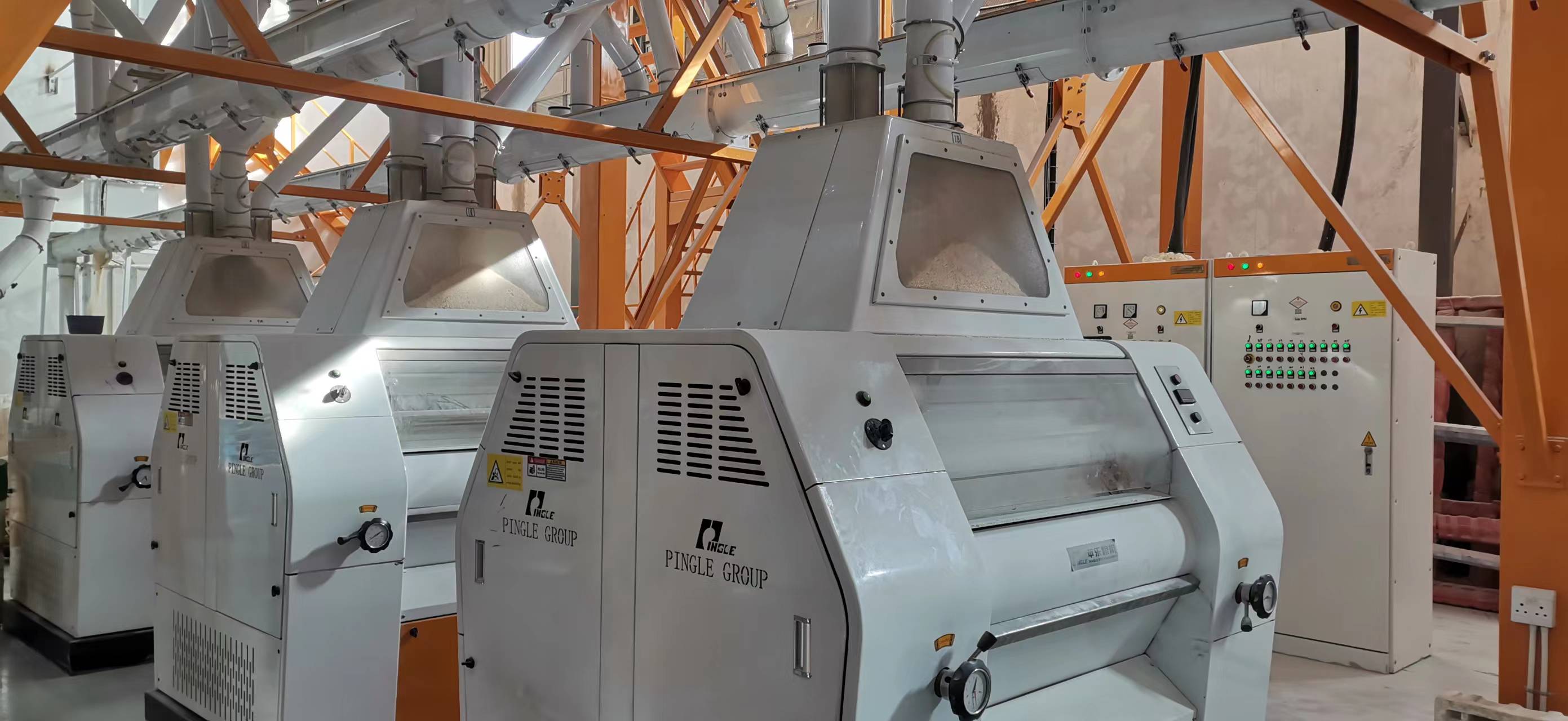
When it comes to achieving bakery-level results at home or in a commercial kitchen, advanced oven systems play a pivotal role by offering precise temperature control and uniform heat distribution. These systems often incorporate innovative technologies such as convection fans, steam injection, and multiple cooking zones, which work together to eliminate hot spots and ensure every item bakes evenly from edge to center. By maintaining a stable environment, they help prevent common issues like burnt edges or undercooked middles, allowing bakers to rely on consistent outcomes batch after batch.
Beyond basic consistency, high-quality baking demands attention to subtle nuances that can elevate flavors and textures. Advanced ovens address this through features like programmable settings for different types of doughs and batters, as well as humidity control that keeps crusts crisp and interiors moist. For instance, a system with smart sensors can adjust heat based on real-time readings, adapting to the specific needs of artisan breads or delicate pastries without guesswork. This level of automation not only saves time but also empowers users to explore new recipes with confidence, knowing their equipment can handle intricate baking techniques.
To stand out in a crowded market, today's oven systems are designed with user-centric interfaces and connectivity options that enhance the baking experience. Imagine an oven that allows remote monitoring via a smartphone app, providing notifications when it's time to rotate a tray or adding a burst of steam for perfect crust formation. Such integrations make complex baking more accessible, bridging the gap between professional expertise and everyday home use. By focusing on these advanced functionalities, modern ovens transform from mere appliances into essential tools for anyone passionate about creating consistently superior baked goods.
State-of-the-Art Kneading Equipment for Superior Texture Development
Imagine dough that’s not just mixed, but sculpted to perfection. Our state-of-the-art kneading equipment goes beyond simple blending, using advanced torque sensors and real-time moisture analysis to adapt dynamically during the process. This ensures every batch achieves an ideal gluten network without overworking, resulting in textures that are consistently elastic yet tender—whether you're crafting artisanal breads or delicate pastries.
What sets this technology apart is its precision in texture development. Instead of relying on fixed timers or speeds, it mimics the nuanced touch of a master baker, adjusting variables like pressure and rotation on the fly. This leads to superior crumb structure and mouthfeel, minimizing common issues like toughness or uneven rise. Users report a noticeable upgrade in product quality, from flakier croissants to chewier bagels that hold up under spreads.
To make a real difference in your kitchen, this equipment integrates seamlessly with modern workflows, offering customizable programs for different recipes. It’s built for efficiency, reducing manual labor while elevating consistency. By focusing on texture at a molecular level, it helps bakers and chefs create standout products that keep customers coming back for more.
Energy-Efficient Cooling and Proofing Solutions for Cost Reduction
When it comes to cutting operational costs, efficient cooling and proofing systems are often overlooked, yet they play a crucial role in maintaining both product integrity and energy savings. By implementing advanced insulation materials and smart thermal management, businesses can significantly reduce heat loss and gain, leading to lower energy consumption and enhanced durability of goods. This approach not only slashes utility bills but also minimizes waste, creating a more sustainable and cost-effective operation overall.
Innovative solutions like phase-change materials and automated climate controls allow for precise temperature regulation, adapting to real-time conditions without constant manual adjustments. These technologies ensure that cooling and proofing processes are optimized for peak efficiency, reducing the strain on equipment and extending its lifespan. As a result, companies experience fewer maintenance interruptions and lower replacement costs, further contributing to financial savings and operational reliability.
Beyond the immediate financial benefits, adopting energy-efficient cooling and proofing strategies can enhance brand reputation by demonstrating a commitment to environmental stewardship. Customers and partners increasingly value eco-friendly practices, making such investments a smart move for long-term competitiveness. By integrating these solutions, businesses not only protect their bottom line but also build resilience against fluctuating energy prices and regulatory changes, securing a more stable and profitable future.
Automated Packaging Machines Enhancing Productivity and Shelf Life
In the fast-paced landscape of modern manufacturing, automated packaging machines have emerged as a game-changer, significantly boosting efficiency while safeguarding product integrity. These systems streamline operations by handling tasks such as filling, sealing, and labeling with remarkable speed and precision, reducing labor costs and minimizing human error. By automating repetitive processes, businesses can accelerate production lines, meet increasing demand, and optimize workflow, ensuring a competitive edge in various industries from food to pharmaceuticals.
Beyond productivity gains, these machines play a crucial role in extending shelf life, a vital factor for perishable goods and consumer satisfaction. Advanced technologies like vacuum sealing, modified atmosphere packaging, and precise temperature control integrated into these systems create optimal conditions that inhibit spoilage, preserve freshness, and maintain nutritional value. This not only enhances product quality and safety but also reduces waste, making it an eco-friendly solution that aligns with sustainable practices.
What sets modern automated packaging apart is its adaptability and innovation. With features such as smart sensors, IoT connectivity, and customizable settings, these machines can quickly adapt to different product sizes and types, offering flexibility without compromising efficiency. This versatility allows companies to respond swiftly to market trends, ensuring consistent quality and reliability that meet diverse consumer needs.
Smart Technology Integration in Flour Processing for Real-Time Monitoring
In modern flour mills, the integration of smart technology has revolutionized operations by enabling real-time monitoring that enhances both efficiency and quality control. Advanced sensors and IoT devices are deployed throughout the production line, continuously tracking parameters like moisture levels, particle size distribution, and temperature fluctuations. This constant flow of data allows operators to make instant adjustments, preventing issues such as contamination or inconsistent batches, which can lead to significant waste reduction and improved product consistency. By leveraging these technologies, mills can respond proactively to changes, ensuring a smoother and more reliable processing cycle that meets stringent industry standards.
Beyond basic monitoring, smart systems in flour processing incorporate machine learning algorithms that analyze historical and live data to predict potential disruptions and optimize production schedules. For instance, these systems can detect subtle patterns indicating equipment wear or deviations in raw material quality, alerting maintenance teams before breakdowns occur. This predictive capability not only minimizes downtime but also extends the lifespan of machinery, translating into cost savings and enhanced operational resilience. Moreover, the integration fosters a data-driven culture where decisions are backed by empirical evidence, leading to continuous improvements and a competitive edge in the market.
The adoption of smart technology also facilitates seamless connectivity across the entire supply chain, from sourcing grains to delivering finished flour. Real-time monitoring platforms often feature user-friendly dashboards that provide a holistic view of the process, accessible remotely via mobile devices or computers. This transparency empowers stakeholders to track production progress, ensure compliance with safety regulations, and adapt quickly to fluctuating demand. By embracing such innovations, flour processing plants can achieve greater agility and sustainability, positioning themselves as leaders in an industry that increasingly values precision and adaptability.
FAQ
Key factors include the machine's capacity to handle your daily flour usage, energy efficiency to reduce operational costs, ease of integration with existing bakery setups, advanced sieving for impurity removal, and compliance with food safety standards to ensure product quality and hygiene.
They automate tasks like sifting, mixing, and kneading, reducing manual labor and errors. Features such as precise temperature control and programmable settings minimize wastage, speed up processing times, and ensure consistent flour quality, boosting overall throughput and profitability.
Yes, top-tier flour processing machines are designed with adjustable settings and specialized components to manage various flour types, including whole grain, gluten-free, or organic flours, without compromising texture or performance, offering flexibility for diverse bakery products.
Regular cleaning to prevent flour buildup, scheduled inspections for wear and tear, lubrication of moving parts, and timely replacement of filters or screens are crucial. Training staff on proper usage and following manufacturer guidelines can also extend equipment durability.
Small bakeries can consider leasing options, purchasing refurbished machines, or starting with modular systems that allow gradual upgrades. Focusing on multifunctional equipment that performs multiple tasks can reduce initial investment while improving efficiency.
IoT-enabled machines provide real-time monitoring of parameters like moisture levels and temperature, allowing remote adjustments and predictive maintenance. This data-driven approach enhances precision, reduces downtime, and helps optimize production schedules for better resource management.
Essential safety features include emergency stop buttons, guards to prevent accidental contact with moving parts, automatic shutdown in case of malfunctions, and easy-to-clean surfaces to minimize contamination risks, ensuring a safer workplace environment.
By choosing energy-efficient models, implementing waste reduction techniques like recycling flour dust, and sourcing machines made from eco-friendly materials. Optimizing processes to reduce water and electricity usage also supports environmental sustainability in bakery operations.
Conclusion
The landscape of modern bakery operations is being fundamentally reshaped by a new generation of flour processing machines, moving beyond mere automation to drive unparalleled efficiency. At the heart of this transformation are innovative dough mixers and state-of-the-art kneading equipment, which work in concert to revolutionize texture development and consistency from the very beginning of the production line. These machines ensure precise ingredient incorporation and gluten development, laying the foundation for superior dough quality that was once achievable only by highly skilled artisans. Simultaneously, advanced oven systems have evolved to deliver not just heat, but intelligent, consistent baking environments, guaranteeing perfect results batch after batch while minimizing waste. This holistic focus on the core processing stages creates a robust, reliable foundation for high-volume production without compromising on the artisanal quality that discerning customers demand.
Further enhancing operational efficiency are strategic solutions that optimize the entire production lifecycle. Energy-efficient cooling and proofing solutions address a significant cost center, intelligently managing temperature and humidity to reduce energy consumption and operational expenses while ensuring ideal dough conditioning. On the output end, automated packaging machines seamlessly take over, dramatically boosting productivity by handling finished products with speed and precision, thereby also extending shelf life through superior sealing and protection. Perhaps most transformative is the integration of smart technology across these systems, enabling real-time monitoring and data analytics. This connectivity allows bakery managers to gain immediate insights into every machine's performance, predict maintenance needs, and fine-tune processes dynamically. This interconnected ecosystem doesn't just maximize individual machine output; it creates a synergistic, data-driven workflow where efficiency gains compound, directly contributing to a leaner, more responsive, and more profitable modern bakery.
Contact Us
Contact Person: Jiakuo Wu
Email: [email protected]
Tel/WhatsApp: +86-13011566087
Website: https://www.pinglemachine.com