
Steel Purlin Manufacturer: A Complete Guide to Choosing the Right Supplier for Your Project
2026-11-02
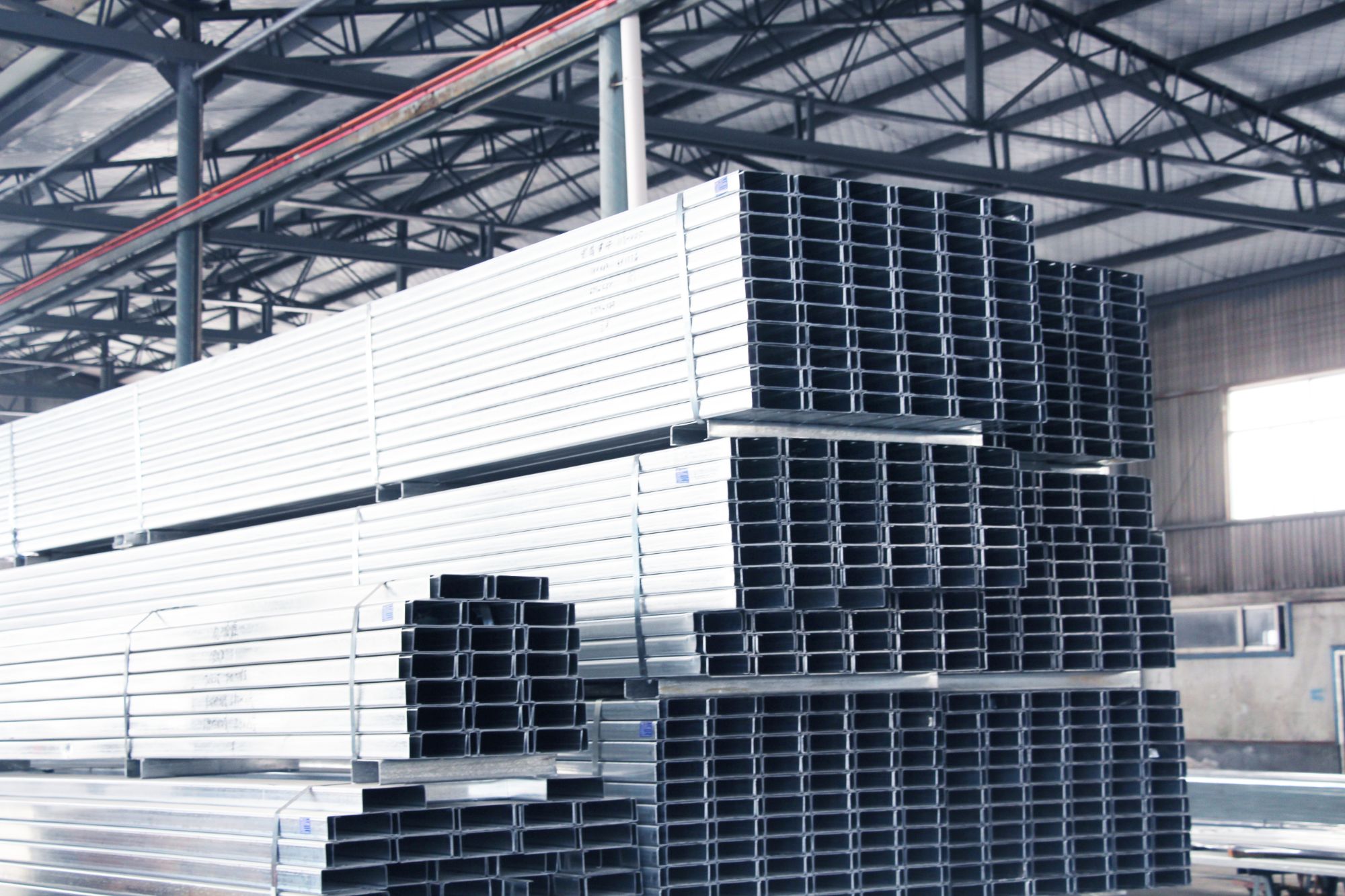
Choosing the right steel purlin manufacturer can make or break your project’s timeline, budget, and structural integrity. With so many suppliers claiming top-tier quality, how do you separate the dependable from the disappointing? In this guide, we’ll walk through the critical factors—from material grades to lead times—that truly matter. And if you’re looking for a partner that consistently delivers precision-engineered purlins, keep an eye on LANYUN as a benchmark worth comparing against.
The First Thing to Verify Before You Shortlist Any Steel Purlin Manufacturer
Before you even glance at a steel purlin manufacturer's catalog or pricing sheet, dig into their raw material sourcing. Most structural failures trace back to substandard coil stock, not fabrication errors. Ask where the steel comes from, whether it meets ASTM or equivalent standards, and if the mill test certificates are readily available for each batch. A manufacturer that hesitates to share this documentation is often hiding inconsistent thickness or compromised yield strength.
Next, look at how they handle dimensional tolerances during roll forming. Steel purlins are not forgiving when flange widths or lip lengths drift by a few millimeters—misaligned roof sheets and weak connections become inevitable. Request a sample section and measure it yourself. Pay attention to the corners: sharp, consistent bends without cracking indicate proper tooling maintenance and operator skill. If the corners are wavy or the galvanized coating is scratched off at stress points, that's a red flag you can't ignore.
Finally, verify their load testing and quality control process directly. Don't settle for a generic brochure claim about 'rigorous testing.' Ask how often they pull samples from the production line, what specific load scenarios they simulate, and whether they keep records you can review. A manufacturer that treats testing as an afterthought will eventually ship a batch that fails under snow load or high wind. Your shortlist should only include those who treat verification as a non-negotiable part of every production run.
How Gauge, Grade, and Yield Strength Translate to Real Roof Loads
A standing seam roof isn't just a skin—it's a structural diaphragm that has to shrug off snow drifts, wind uplift, and the occasional boot print from a maintenance crew. The three numbers that decide whether it holds or buckles rarely get explained together, but they work as a chain. Gauge sets the raw thickness: 24-gauge steel runs about 0.0239 inches thick, while 22-gauge pushes closer to 0.0296 inches. That extra six thousandths doesn't sound like much, but across a 20-foot panel it means the difference between a panel that deflects under a 40 psf snow load and one that stays flat enough to keep the seams locked tight. Thinner material also telegraphs every purlin line through the surface—a visual issue that becomes structural when repeated load cycles start working the clip connections.
Grade and yield strength are where the real translation happens. Most commercial roofs specify Grade 50 steel (50 ksi minimum yield) or sometimes Grade 80 for high-stress zones. Yield strength tells you the stress at which the metal stops springing back and takes a permanent set. For a roof panel under negative wind pressure, that's the point where the seam begins to unroll or the panel starts to oil-can permanently. A 24-gauge Grade 50 panel might handle a 90 psf uplift before yielding, while the same gauge in Grade 33 drops that number by a third. But you can't just swap grades—a higher yield steel often has less elongation, which means it's more likely to tear at clip slots instead of deforming gradually. The smart spec matches gauge to the span, then picks a grade that keeps the panel in its elastic range under the worst-case load combination from the local building code.
The real-world test comes on a retrofit where an old roof gets a new standing seam system over the original framing. You might have purlins spaced at five feet and a snow drift that piles three feet against a parapet. A 24-gauge Grade 50 panel might pass the uniform load check but fail the concentrated load check at the clip—that's where a thicker gauge or a higher yield grade buys you safety without adding purlins. Field data from hail-damage claims and snow-collapse investigations shows the same pattern: roofs that stayed intact were almost never at the code minimum. They used 22-gauge at the drift zone, stepped up to Grade 50 even when Grade 33 met the letter of the spec, and doubled the clip density along the eave. That's the translation no table gives you—gauge, grade, and yield strength have to work together so the roof fails gradually and loudly, not all at once on a February night.
Galvanized vs. Galvalume: Matching the Coating to Your Jobsite Conditions
Choosing between galvanized and Galvalume steel isn't just about cost—it hinges on what your jobsite throws at the material. Galvanized, with its thick zinc layer, has long been the go-to for rough handling and abrasion, because the coating sacrifices itself slowly to protect the base steel. If your crew is dragging panels across purlins or working in tight spots where scratches are inevitable, that forgiving zinc layer might save you from early rust complaints.
But if the environment leans coastal or industrial—where salty air or chemical fallout eats at metal—Galvalume often outperforms. Its aluminum-zinc alloy forms a tighter barrier, and the self-healing at cut edges resists corrosion better in those aggressive atmospheres. The catch? Galvalume doesn't love direct contact with wet concrete or certain treated lumber, so you need to know if your project puts the coating in contact with incompatible materials.
Think about the lifespan you're promising too. Galvanized can look tired faster under UV and moisture cycling, though it holds up well in dry, inland locations. Galvalume tends to keep its appearance longer and handles temperature swings without micro-cracking the coating. Match the coating to the worst condition your building will face—not the average—and you'll avoid warranty headaches later.
Why Tolerances and Straightness Matter More Than the Price Per Foot
A lower price per foot can be tempting until you find yourself fighting a material that won't hold a consistent dimension. Tight tolerances mean every cut, weld, or connection lines up the way it should, without forcing you into extra grinding, shimming, or scrapping parts. When the cross-section varies by even a few thousandths of an inch from one end to the other, the real cost shows up in slower assembly, higher reject rates, and the time spent double-checking every joint.
Straightness is just as critical, because a bowed or twisted length refuses to sit flat against your reference surface. You can clamp it, hammer it, or try to compensate with oversized holes, but the stress remains in the structure and often leads to premature failure. Materials that arrive straight from the start reduce the temptation to force alignment, which protects both the finished product and the people installing it.
Over the life of a project, rework and rejected assemblies easily erase any savings from a cheaper per-foot price. Spending slightly more upfront for reliable tolerances and straightness keeps downstream operations predictable, which is where the real value lies.
Custom Lengths, Punching Patterns, and Lead Time Realities
When a run of channel or strut gets cut to a specific job dimension, the process rarely stops at the saw. Most suppliers keep a handful of stock lengths on the floor, but anything beyond those defaults tends to get rounded into a later production batch. We have found it more practical to treat every cut list as its own mini-run, which lets odd sizes like 1730 mm or 2945 mm move through without being nudged toward a more convenient number.
Punching layouts follow a similar pattern. A standard 11 mm x 30 mm slot on 50 mm centers works for plenty of installations, but once you need a field-cut splice plate or a bracket with a square hole pattern, the lead time often jumps. The real bottleneck isn't the punch press itself; it's waiting for the drawing to be re-approved through a chain of emails. We changed our internal rule to treat any non-standard hole pattern as a pre-approved file if it matches a previous job, which trims a day or two off the front end.
Lead times get quoted as if every order starts from scratch, but actual floor data tells a different story. Unless the steel is an unusual alloy, the material is usually already in the rack. The delay is scheduling around powder coating or galvanizing batches. So we tell people to plan for two weeks, but the order often ships in eight or nine working days. That gap between promise and practice is where a lot of projects find their wiggle room.
Reading a Steel Purlin Quote for Hidden Costs and Warranty Gaps
Many steel purlin quotes look straightforward until you notice line items like "bundle charge" or "cut-to-length fee" tucked near the bottom. Suppliers rarely hide these costs intentionally, but they do rely on buyers knowing what to ask for. Check whether the price includes end plates, pre-drilled holes, or a specific coating weight. If the quote only says "galvanized" without a grade like G60 or G90, you may be paying for a thinner zinc layer than your project requires.
Warranty gaps are harder to spot because they live in the fine print rather than the price table. A typical warranty might cover the base steel for 20 years but exclude any field-cut edges or welded zones from rust protection. If you're installing near a coastline or in an industrial area with airborne chemicals, the standard warranty may be voided altogether unless you upgrade to a heavier coating at the time of order. Ask for a written statement about touch-up paint and whether site-drilled holes will affect the coverage before you sign.
Get in the habit of requesting a line-by-line breakdown with lead times and freight terms on the same page. A low per-foot price can quickly become less attractive once you add strapping, protective wrap, or residential delivery fees. Compare quotes by total landed cost, not by the headline number, and note the warranty start date. Some suppliers begin warranty coverage on the day of manufacture, not the day of installation, which can quietly shorten your protection by months.
FAQ
Start with their production consistency. Ask for mill certificates and a sample from the current batch, not just a brochure photo. The finish, straightness, and hole punching often tell you more than a spec sheet.
It affects logistics more than material quality. A local supplier can reduce transit damage and lead times, but a distant one might offer better pricing. Always compare the landed cost, including handling, not just the per-piece price.
Yes, most competent manufacturers can adjust web height, flange width, thickness, and punched holes. The key is whether their tooling allows quick changeovers. Ask how many custom punch setups they run weekly to gauge their flexibility.
It determines service life in humid or coastal environments. Standard G60 might fail where G90 or heavier coatings hold up. Don't accept 'galvanized' as a blanket term; request the coating weight in grams per square meter and match it to your project's exposure.
Request third-party test reports for yield strength, dimensional tolerances, and coating adhesion. Also ask about their reject rate and how they handle non-conforming material. A supplier that openly shares defect data is usually more trustworthy.
Vague answers about raw material sourcing, inability to provide batch traceability, or quoting unrealistically short lead times. Also watch for inconsistent pricing across similar inquiries and reluctance to share previous client references.
Direct from the manufacturer often gives better technical support and customization, but distributors can be faster for standard sizes and smaller quantities. If your project has unusual loading requirements, go direct; for commodity orders, a distributor might be more convenient.
Conclusion
Selecting a steel purlin manufacturer demands more than a quick scan of prices. Before you even build a shortlist, confirm the supplier's track record with certified mill test reports and past project references—this separates established operations from brokers who simply resell material. Once that baseline is clear, dig into how gauge, grade, and yield strength interact with your actual roof loads. A 16-gauge purlin in grade 55 steel may handle wind uplift differently than a 14-gauge grade 50 section, and the right manufacturer will walk you through those calculations rather than guess. Coatings matter just as much: galvanized G90 suits most inland roofs, but coastal or high-humidity jobsites often call for Galvalume's superior corrosion resistance and cut-edge protection. Ignore these distinctions and you risk premature rust or coating failure long before the warranty expires.
Beyond metallurgy, tolerances and straightness quietly determine how smoothly installation goes. A purlin that arrives bowed or with inconsistent hole spacing forces field modifications, erasing any upfront savings from a lower per-foot quote. Ask for actual straightness specs—most reputable suppliers hold camber and sweep under 1/8 inch per 10 feet. Custom lengths and punching patterns should be standard, but confirm lead times early: a shop that promises any pattern without asking about your clip spacing or brace locations is probably cutting corners. Finally, read every quote line by line. Hidden costs often hide in freight, bundle charges, or minimum order fees, while warranty gaps appear in vague language about coating performance or structural liability. A trustworthy manufacturer will clarify these details without being pressed, because they know the cheapest purlin rarely delivers the lowest total installed cost.
Contact Us
Contact Person: Nia
Email: [email protected]
Tel/WhatsApp: +86 18954360337
Website: https://www.sdppgi.com