
Split Butterfly Valve Sourcing Strategies for Reliable Industrial Buyers
2026-09-06
Most procurement teams learn the hard way that a split butterfly valve’s spec sheet tells only half the story. Interchangeable sealing, stem retention, and tight shut-off under thermal cycling separate valves that last from those that leak after six months. If you're sourcing for a plant where unplanned downtime isn't an option, you need a supplier who treats these details as non-negotiable—not as line items. That’s where AVM comes in. In this guide, we break down practical sourcing strategies to help you evaluate split butterfly valves beyond the datasheet, so your next purchase actually holds up on the line.
Match the seat material to your actual process fluid, not just its temperature range
A seat that handles 400°F steam may crumble in weeks when exposed to a mild acid at room temperature. Temperature ratings on datasheets rarely account for chemical attack, erosion from abrasive slurries, or the swelling caused by certain oils and solvents. Before selecting a valve, list every component of your process stream—including trace impurities and cleaning agents—and cross-check each one against the seat polymer's compatibility chart. What looks like a cost-saving PTFE seat can turn into a maintenance nightmare if the fluid contains even a small percentage of ketones.
Many engineers default to the same seat material they have used for years, assuming that if it survived one application it will survive another. But subtle differences in pH, flow velocity, or the presence of particulates can push a material past its limits. For example, EPDM excels with hot water and steam but degrades rapidly in hydrocarbon service. Conversely, Viton handles many aggressive chemicals yet softens in high-pressure steam. Instead of relying on generic temperature ranges, obtain a detailed chemical resistance chart from the manufacturer and test the actual fluid under operating conditions whenever possible.
Another overlooked factor is the interaction between the seat and the valve body material. Galvanic corrosion or catalytic effects from metal ions can accelerate polymer degradation. If your process involves frequent CIP or SIP cycles, the cleaning chemicals may be more damaging to the seat than the process fluid itself. Ask the vendor for field data from similar applications, not just laboratory immersion tests. A small investment in material validation upfront prevents unscheduled shutdowns and extends the mean time between repairs far beyond what temperature ratings alone would suggest.
Request a witnessed leak test on the exact valve size before signing off
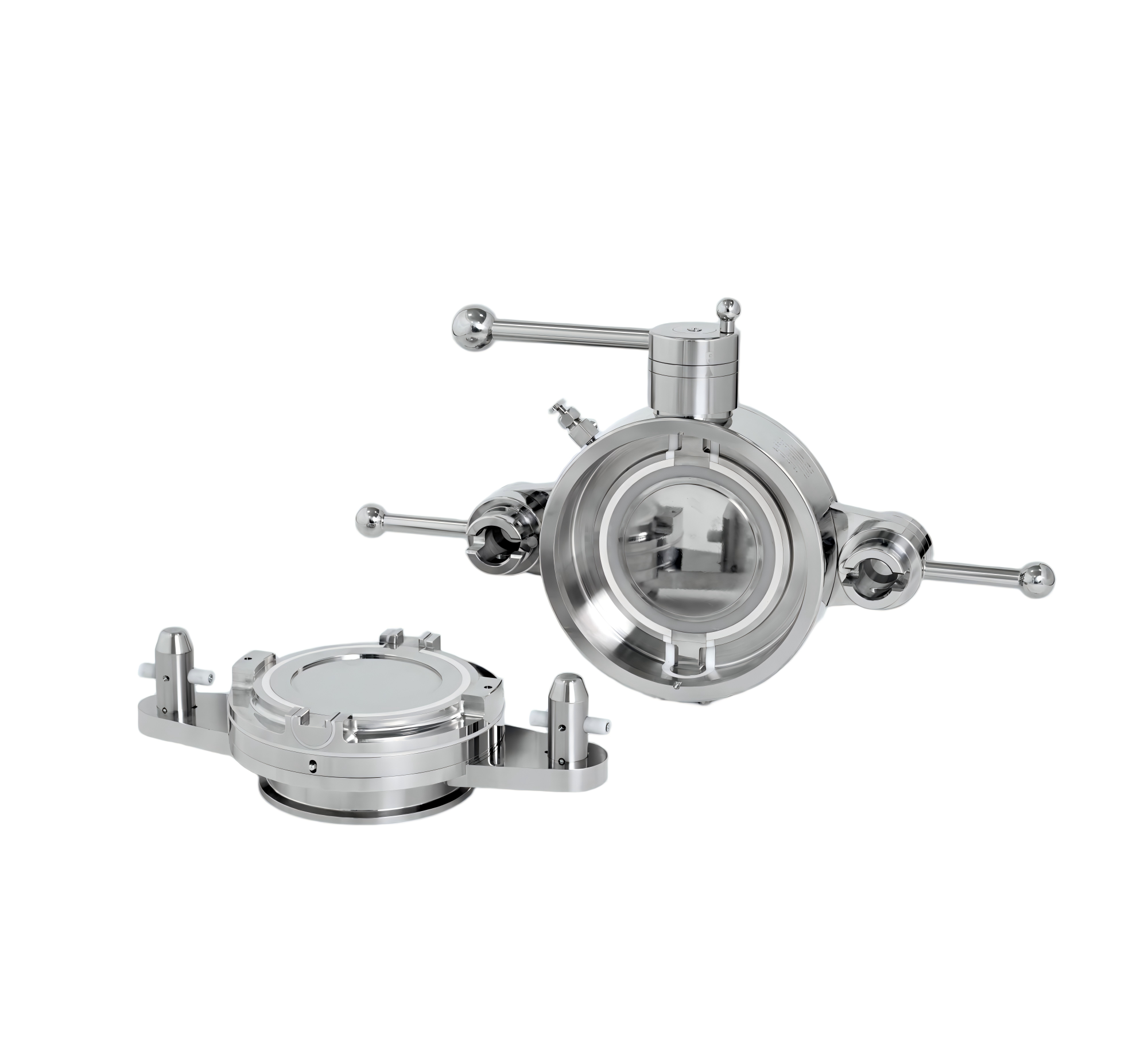
A leak test run on a 2-inch valve tells you almost nothing about the 12-inch unit you're actually buying. Seat geometry, seal compression, and leakage paths all change with size, so a smaller valve can sail through a test while the full-bore production valve fails on the same bench. Insist that the exact tag number and size are listed on the test certificate, and don't accept a sibling valve's results as a substitute.
Even when a certificate shows the right model and size, it's still just paper. Requesting a witnessed test means you or a third-party inspector are present for the full test sequence on your specific valve. This removes the temptation to cherry-pick a good unit or rerun the test until it passes. If the valve is for critical service, the cost of a witness is far less than finding seat leakage after installation.
Don't sign off on the valve until the witnessed leak test has been completed, and the results meet the acceptance criteria from API 598, ISO 5208, or your own specification. Ask for raw readings, not just pass/fail. If the vendor pushes back on a witnessed test, treat that as a signal to look closer at their quality controls.
Check whether the split body can be serviced inline with standard hand tools
A quick look at the split casing design shows whether the fasteners sit in open, accessible spots. Standard combination wrenches, socket sets, and hex keys should reach every bolt head without needing to remove adjacent piping or use offset extensions.
If the internals can be pulled clear once the casing halves separate, then inline service becomes realistic. You're checking for clearance to swing a ratchet, enough room to pull the shaft or cartridge assembly, and no hidden snap rings that demand specialty pliers.
Confirm that all wear parts – seals, bushings, impeller – can be replaced with basic hand tools. If a torque wrench and feeler gauges are the only extras required, the split body passes the test for field maintenance without special equipment.
Compare seat replacement intervals across suppliers instead of just upfront price
Buyers often fixate on the sticker price of a seat, but that number hides a bigger story. A unit that costs 15% less upfront can easily become the more expensive option if it needs replacing twice as often. Every swap burns labor hours, disrupts daily operations, and forces you to handle disposal or recycling paperwork. Spread those hidden costs over the actual service life, and the cheap quote rarely wins.
Replacement intervals vary widely because seat frames, foam density, upholstery stitching, and suspension components are not built to the same standard. One supplier might use a thin foam layer that loses support after eight months, while another uses high-resilience foam that stays firm for three years. Instead of relying on marketing claims, ask for failure data from current customers or run a side-by-side wear test on sample units. The numbers from real use will show which seat actually lasts.
When drafting a purchase comparison, add a column for expected replacement cycle and calculate cost per year, not just cost per unit. A model with a longer interval can justify a higher initial price within the first replacement round. It also reduces the number of times your team has to pause work, clear out old seats, and reinstall new ones. That operational convenience is worth money, even if it never appears on the invoice.
Look for regional stock of replacement seats and discs before committing
A quick check of nearby warehouses often reveals that the exact seat and disc set you need is already sitting on a shelf within a day’s drive. This is especially true for common valve sizes or older equipment lines that local distributors tend to keep in rotation. Calling a regional supplier directly, rather than waiting on a central quote, can cut lead time from weeks to a single afternoon.
If the parts aren’t in the immediate area, ask about partial stock or compatible kits that can be sourced from a neighboring branch. Some distributors will hold items overnight or arrange transfer between their own locations at no extra charge. That kind of flexibility only shows up when you ask before placing a firm order.
Locking in a replacement plan without checking regional availability can leave you paying premium freight or delaying a shutdown longer than necessary. Even a fifteen-minute phone call to a local rep can reveal surplus inventory that never appears on a public-facing product list.
Verify the torque requirements for your actuator before accepting a quote
Torque is the muscle behind your actuator, and getting it wrong can mean the difference between smooth, reliable motion and a stalled, overheated mess. Before you sign off on any quote, take a hard look at the load you're actually moving. Start with the breakaway torque—the force needed to overcome static friction—and then factor in the running torque once things are in motion. Don't forget to add a healthy safety margin for wear, temperature swings, and any unexpected resistance in your mechanical system. A quote that looks cheap on paper becomes expensive fast if the actuator is undersized for the job.
Many suppliers will quote based on your rough numbers, but it's your responsibility to verify the details. Ask for a torque curve that covers your full speed range, not just a single peak figure. If you're using a gearbox or linkage, the effective torque at the actuator shaft may be very different from what you calculated at the load. Also consider the duty cycle: continuous operation demands a different rating than short, intermittent bursts. Double-check whether the quoted torque is holding torque, peak torque, or something in between—spec sheets can be deliberately vague.
Finally, put it in writing. Before accepting the quote, confirm that the supplier has matched the actuator to your specific torque profile, not just a generic spec. A reputable vendor will ask about your load, speed, and environmental conditions, and may even recommend a size up if your numbers are borderline. If they can't clearly explain how the quoted torque meets your requirements, keep looking. The few minutes you spend verifying now will save you from a retrofit headache later.
FAQ
Look for a supplier that offers documented material certifications, surface finish reports, and a clear process for handling non-conformances. A dependable partner will also ask about your media, temperature range, and cleaning procedures instead of pushing a one-size-fits-all valve. Their willingness to provide references from similar industries and to discuss past failure investigations often says more than a glossy catalog.
Request actual performance data from the supplier, not just a generic datasheet. Ask for elastomer compatibility charts specific to your cleaning agents, and insist on cycle-test results that reflect your operating temperature swings. Where possible, get a sample valve for in-house testing before committing to a production order, and clarify whether the supplier will support a field trial with technical staff.
Pay close attention to the split-body seal arrangement, shaft sealing method, and disc-to-seat concentricity. The drawings should specify tolerances for the seat groove and indicate whether the seat can be replaced without removing the valve from the line. Also check whether the valve body halves are machined as a matched set, because mixing halves from different batches can create misalignment and leakage.
At minimum, request EN 10204 3.1 material certificates for wetted parts, surface roughness certificates, and a declaration of conformity to relevant design standards. For food, pharma, or biotech use, ask for FDA or USP Class VI compliance letters for elastomers and a certificate of cleanliness or passivation report for stainless components. Make sure the documentation references the actual serial numbers on the valve bodies, not just a generic batch.
Buying solely on initial price, ignoring seat material compatibility, and failing to specify the correct surface finish for the process are frequent mistakes. Another costly error is assuming all split butterfly valves are interchangeable across brands, when in reality seat retention and body sealing designs differ significantly. Skipping a documented factory acceptance test also leaves buyers with little recourse if leaks appear during commissioning.
Provide a detailed specification sheet that includes line size, pressure class, body and disc materials, seat elastomer, required surface finish, end connections, and any third-party approvals. State the expected operating conditions clearly, including minimum and maximum temperatures, media composition, and cleaning or sterilization methods. Ask each supplier to quote against that same specification and to list any deviations separately, so you can compare apples to apples.
Split butterfly valves often rely on specialty elastomers and precision-machined body halves that may have limited sourcing origins. Delivery times can stretch if the supplier is dependent on a single foundry or seat manufacturer. Buyers can reduce this risk by qualifying a secondary supplier for critical components, holding safety stock of seats and seals, and writing contracts that require advance notification of any material or process change.
If your process involves frequent disassembly for inspection, the ability to replace the seat without removing the valve can quickly offset a higher purchase price through reduced downtime. Likewise, superior surface finishes and tighter tolerances lower the risk of product contamination and leakage, which can be far more expensive than the valve itself. A higher upfront cost is often justified when the valve sits in a critical line where failure stops production or threatens product quality.
Conclusion
For industrial buyers who depend on split butterfly valves in demanding processes, seat selection should go far beyond a temperature rating on a datasheet. The elastomer or polymer must tolerate the exact fluid chemistry, including trace acids, solvents, or abrasive slurries that might not appear in a generic compatibility chart. Before finalizing any order, request a witnessed leak test on the actual valve size you intend to install—not a similar model from the supplier's catalog. This simple step catches tolerance drift and assembly issues that only show up under your operating pressure. Equally important is confirming that the split body design can be opened and serviced inline with standard hand tools. If a valve requires proprietary jigs or a factory return for a routine seat change, downtime costs will quickly erase any initial savings.
Beyond the purchase price, compare how often the seat actually needs replacement across different suppliers. A lower upfront cost means little if one brand requires seat changes every six months while another runs for three years under the same conditions. Ask for documented replacement intervals from reference sites handling similar fluids and solids loading. Also, before committing to a supplier, verify that replacement seats and discs are stocked regionally—waiting weeks for a part from an overseas warehouse turns a simple maintenance task into a costly outage. Finally, don't accept a valve quote without checking the torque requirements for your existing or planned actuator. An undersized actuator may fail to seat the disc fully, while an oversized one adds needless cost. Confirming this match early prevents expensive retrofits and ensures the valve cycles reliably from day one.
Contact Us
Contact Person: Ananda
Email: [email protected]
Tel/WhatsApp: 8619016718200
Website: https://www.wzaomi.com