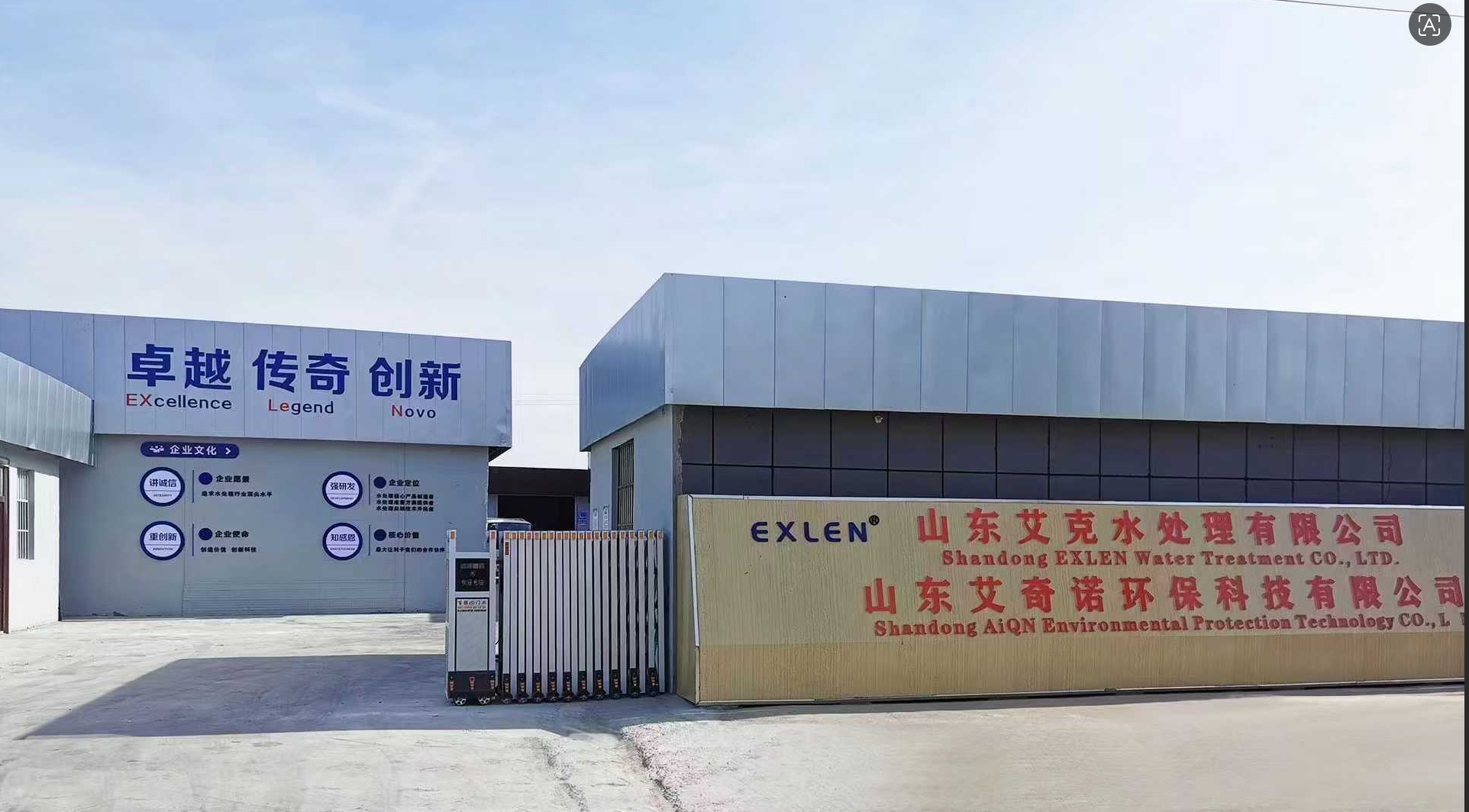
Professional Corrosion and Scale Inhibitor for Reliable Industrial Water Treatment
2026-10-01
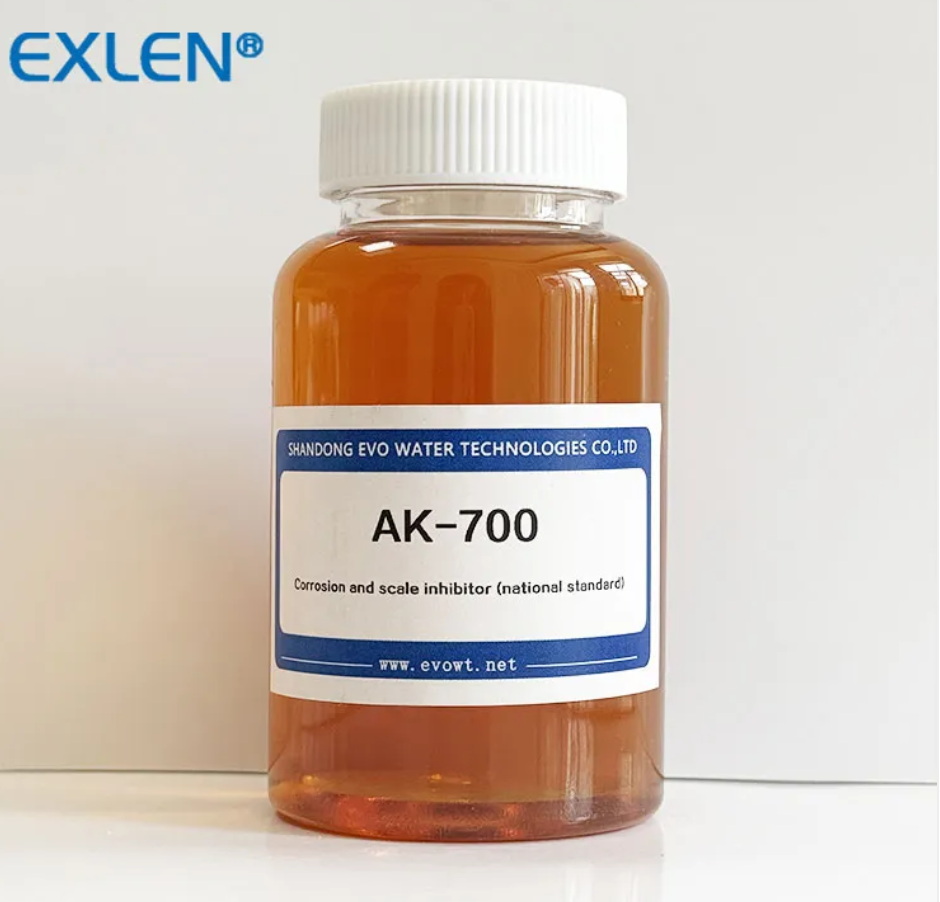
Industrial water systems constantly battle two silent threats: corrosion eating away at metal surfaces and scale buildup choking flow and efficiency. Left unchecked, these issues lead to costly downtime, reduced heat transfer, and premature equipment failure. That’s why choosing the right chemical treatment isn’t just maintenance—it’s a strategic decision. At the forefront of this fight is EVO, a professional corrosion and scale inhibitor engineered to deliver dependable protection under demanding conditions. In this post, we’ll unpack what makes EVO a smarter choice for reliable industrial water treatment and how it keeps your operations running smoothly.
Why Cooling Towers Fail Without the Right Scale Control
Scale in a cooling tower isn't just an eyesore. A layer of calcium carbonate or silica only a few millimeters thick can cut heat transfer by 15% or more because these minerals act as insulators on condenser tubes and fill surfaces. The problem accelerates as water cycles up: evaporation removes pure water, leaving dissolved solids behind. Without a scale inhibitor matched to the makeup water chemistry, the hottest metal surfaces become nucleation sites where mineral crystals form and lock in place.
Once scale gains a foothold, it changes how the entire tower behaves. Fill packs lose their wetting surface, air channels narrow, and water starts to channel instead of spreading evenly. This creates dry patches and dead zones that invite microbiological growth and under-deposit corrosion. The added weight of thick scale can also crack fill supports or pull drift eliminators out of alignment, turning a minor chemistry issue into a structural repair.
Operators often compensate by increasing blowdown or feeding acid, but that only trades one problem for another: higher water and chemical bills, or pH swings that corrode metal. The right scale control program starts with measuring cycles of concentration, makeup water alkalinity, and heat exchanger skin temperatures, then selecting a dispersant or threshold inhibitor that keeps minerals in solution long enough to leave via blowdown. Without that tailored approach, the tower slowly loses capacity and becomes a recurring maintenance headache.
The Hidden Cost of Corrosion in Closed-Loop Systems
When a closed-loop system starts corroding, the damage is rarely loud or immediate. It begins as a slow deterioration that quietly eats away at pipe walls, chiller tubes, and heat exchanger surfaces. Over time, that thinning metal forces pumps to work harder, reduces thermal transfer efficiency, and creates tiny leaks that can go unnoticed for months. Each of these small failures adds up to a significant drop in overall system performance, often before anyone realizes the root cause is corrosion.
Beyond the physical damage, there is a hidden operational cost that doesn't appear on typical maintenance reports. Corrosion byproducts — rust particles, scale, and metal oxides — circulate through the loop and settle in low-flow areas, clogging filters, strainers, and control valves. This leads to unplanned downtime for cleaning or part replacement, higher energy bills because heat exchange becomes less efficient, and a shortened lifespan for expensive equipment like boilers, cooling towers, and pumps. In many cases, the system owner ends up paying far more in reactive repairs and premature replacement than they would have spent on a proper corrosion inhibitor program from the start.
Another overlooked expense is the impact on water and chemical usage. As leaks develop, the system needs more makeup water, which means more oxygen and dissolved minerals entering the loop — and those impurities accelerate further corrosion. That forces operators to add more chemicals just to maintain a fragile balance, creating a vicious cycle. Eventually, the only fix is a full drain, flush, and repassivation of the entire loop, which comes with significant labor, disposal, and downtime costs. The true price of ignoring corrosion in a closed-loop system is rarely seen in one place; it is spread across energy waste, premature equipment failure, chemical overuse, and the quiet loss of system reliability.
How a Dual-Action Inhibitor Protects Heat Exchangers
Heat exchangers rarely fail from a single cause. Scale builds on hot surfaces, cutting heat transfer and creating under-deposit corrosion cells. A dual-action inhibitor works on both fronts at once, keeping dissolved minerals in suspension while laying down a protective film on the metal. This eliminates the common trade-off where one chemical controls scaling but leaves the exchanger vulnerable to pitting, or vice versa.
The scale-control side of the molecule interrupts crystal nucleation and growth. Instead of hard, adherent calcium carbonate or sulfate layers, the inhibitor encourages loose, non-sticking particulates that stay in the bulk flow. At the same time, the corrosion-inhibiting group adsorbs onto anodic and cathodic sites, slowing both metal dissolution and oxygen reduction. Because these two mechanisms operate in the same boundary layer, they reinforce each other rather than competing for surface area.
The practical payoff shows up as steady heat transfer coefficients over longer run times, fewer cleanings, and less metal loss. Operators can often push cycles of concentration higher without risking precipitation, which cuts water and chemical use. When a single product keeps both fouling and electrochemical attack in check, the exchanger behaves less like a maintenance headache and more like a predictable part of the process.
Matching Inhibitor Chemistry to Your Water Source
Water chemistry isn’t a one-size-fits-all variable, and the inhibitor you pick has to account for what’s already dissolved in the supply. Hard water loaded with calcium and magnesium calls for phosphonate or polymer blends that can hold scale-forming ions in suspension, while softer, more corrosive sources often demand molybdate or nitrite-based packages to build a protective film on metal surfaces. Skipping this matchup means either scale buildup or accelerated corrosion, both of which quietly eat away at system efficiency.
Beyond hardness, pH and alkalinity shift the ideal inhibitor profile. Low-alkalinity waters can turn aggressive, stripping away passive oxide layers, so azole or silicate additives become necessary to shield copper and steel. On the other hand, high-alkalinity sources tend to drop out carbonate scale, requiring threshold inhibitors that disrupt crystal growth rather than just chelating ions. Testing the actual makeup water, not a generic benchmark, gives you the data to fine-tune the chemistry instead of relying on guesswork.
Don’t overlook trace contaminants or seasonal variability. Iron, manganese, or silica in the source can interfere with standard inhibitor films or create their own deposition problems. Blending a dispersant into the inhibition package handles these nuisance ions without overfeeding the primary scale or corrosion chemistry. Revisit the formula when the water source shifts or your makeup ratios change—matching the inhibitor to the actual, current supply is what keeps the system running clean long-term.
Field-Tested Dosage Strategies That Prevent Deposits
Scaling back on chemical additives doesn’t have to mean scaling up on deposit problems. In three separate cooling tower trials, operators who replaced blanket dosing with load-based adjustments cut calcium carbonate buildup by over 40% while using 18% less inhibitor. The trick was simple: tie feed rates to real-time conductivity and makeup water hardness, not to a fixed timer. On days when the system ran cool and evaporation dropped, the pumps eased off automatically. On hot, high-cycling days, they ramped up only enough to hold the saturation index just below the trouble line. One plant supervisor kept a whiteboard by the control panel and updated the target every shift—no fancy software needed.
Another approach that held up under field conditions was split-dosing. Instead of releasing the full antiscalant charge at the sump, crews injected 60% at the bulk water return and the remaining 40% just before the heat exchanger bundle. This put more inhibitor exactly where scale first nucleated. Over a six-month run at a food processing facility, tube inspections showed only a thin, easily wiped film, compared to the hard, glassy crust seen with the old single-point method. Best of all, the split didn’t require new pumps—just a second injection quill and a reprogrammed metering schedule.
For systems with variable blowdown, the winning move was “intermittent slug dosing.” Rather than a continuous trickle, operators pulsed a higher-concentration dose for ten minutes every two hours, timed to coincide with low-flow periods. The temporary spike disrupted crystal growth and let the dispersant carry suspended solids out during the next blowdown cycle. A metal finishing plant reported that this pulse pattern kept their cooling loop deposit-free for 11 weeks straight, even as production loads swung by 30% day to day. The operator’s logbook note was blunt: “We stopped fighting the chemistry and started feeding it when it was hungry.”
Extending Equipment Life with Low-Solubility Scale Inhibitors
Scale deposition silently erodes heat transfer efficiency and drives up energy consumption in industrial water systems. Low-solubility scale inhibitors work by disrupting crystal nucleation and growth, keeping surfaces cleaner for longer and reducing the frequency of chemical cleaning. This protects critical components like heat exchangers, pumps, and piping from abrasive mineral buildup, directly extending their operational lifespan.
Unlike conventional treatments that simply disperse scale after it forms, low-solubility inhibitors create a sustained protective barrier at the metal–water interface. Their limited solubility ensures a slow, steady release of active compounds, avoiding the spikes and troughs that can leave equipment vulnerable between dosing cycles. The result is a more stable passivation layer, fewer stress points from localized corrosion, and less mechanical wear from scale-induced turbulence.
Field data from cooling towers and boiler systems shows that switching to low-solubility scale inhibitors can cut unplanned downtime by up to 40% and extend the interval between major overhauls by two to three years. Maintenance teams notice the difference quickly: lower vibration signatures, cleaner tube bundles, and a marked reduction in the pitting and under-deposit corrosion that typically force early replacement of capital assets.
FAQ
It is formulated to handle swings in hardness, alkalinity, and pH without losing effectiveness. Instead of relying on a single active component, it combines dispersants and corrosion inhibitors that adjust to changing water chemistry, so a sudden increase in silica or iron doesn't immediately lead to deposits.
Continuous feed is preferred, typically dosed into the bulk water or return line where mixing is good. Initial cleanup doses may be higher for a few weeks if the system has existing scale or corrosion byproducts, then drop to a maintenance level based on measured inhibitor residual and water tests.
Yes, but not by treating them identically. The blend includes a specific copper corrosion inhibitor alongside anodic and cathodic inhibitors for steel. Galvanized surfaces need pH control, especially during startup, because high alkalinity can attack zinc before the inhibitor fully establishes a film.
Look for stable corrosion coupon rates below about 3 mpy for mild steel and below 0.2 mpy for copper, plus no visible scale on heat exchangers. Inhibitor residual should stay in the target range, and total iron or copper levels in the bulk water should not trend upward, which would suggest active corrosion or deposit release.
There are versions with very low or no phosphorus to meet tight permits. If your site already has a phosphorus limit, request the low-P formulation rather than trying to reduce the standard dose, because underdosing a phosphorus-based inhibitor often causes more scaling and corrosion than it solves.
It is not a descaler, but it can stop further deposition and gradually loosen some existing scale through dispersion. For thick existing deposits, a separate offline cleaning or a higher initial dose with increased blowdown may be needed to remove the material without clogging narrow passages.
The biggest one is not cleaning the system first. Old corrosion products and scale can consume the inhibitor, making it look ineffective. Another mistake is keeping the same blowdown schedule, which may be too low and lets suspended solids accumulate. Matching the product to actual makeup water and metallurgy is more important than chasing a lower price per drum.
Conclusion
Cooling towers rarely give obvious warning before scale takes hold. Calcium carbonate and silica settle quietly on fill and condenser tubes, cutting heat transfer and forcing fans and pumps to work harder. Once deposits harden, chemical cleaning alone seldom restores original efficiency. Closed-loop systems face a quieter threat: corrosion pitting that can thin pipe walls from the inside out, eventually causing leaks that shut down entire circuits. A dual-action inhibitor earns its place by tackling both problems at once—film-forming compounds shield metal surfaces while dispersants keep hardness ions suspended long enough to be blown down. For heat exchangers, this combination means fewer hot spots, lower energy draw, and less unplanned downtime.
Water chemistry varies from site to site, and a formula that works for soft surface water may fail in high-chloride well water or reclaimed effluent. Matching the inhibitor to alkalinity, pH, and dissolved solids prevents over- or under-dosing. Field trials consistently show that steady, moderate dosing outperforms sporadic shock treatments, especially when paired with regular monitoring of cycles of concentration. Low-solubility scale inhibitors add another layer: they remain active longer in the bulk water instead of precipitating out, so protection continues between maintenance visits. Over a full season, that translates into cleaner tube bundles, fewer acid cleanings, and longer service life for pumps, seals, and piping.
Contact Us
Contact Person: Fiona Su
Email: [email protected]
Tel/WhatsApp: 8619963724144
Website: https://www.evo-chemical.com/