Polyether Polyol Company: The Future of Polyurethane Raw Material Manufacturing
2026-03-16
As the world pivots towards sustainable and efficient solutions, the polyurethane industry stands at the forefront of innovation. Enter POLYKEM—a polyether polyol company redefining the future of raw material manufacturing. With a steadfast commitment to quality and environmental responsibility, POLYKEM not only meets the evolving demands of the market but sets new benchmarks for excellence. This blog delves into how cutting-edge technology and strategic foresight are shaping the next generation of polyurethane materials, offering a glimpse into a world where performance and sustainability coexist seamlessly. Join us as we explore the pivotal role of polyether polyols and uncover why POLYKEM is leading the charge towards a smarter, greener future.
Pioneering Sustainable Solutions in Polyurethane Innovation
Imagine a world where the versatile materials in your car seats, insulation panels, and athletic shoes don't just perform well—they're designed with the planet in mind. That's the driving force behind today's polyurethane innovation, where researchers aren't just tweaking formulas but rethinking entire production cycles to slash carbon footprints.
Take bio-based polyols derived from soy, castor oil, or even algae—these aren't just niche experiments anymore. Companies are scaling up these alternatives, creating foams and coatings that maintain durability while reducing reliance on fossil fuels. It's a shift that turns agricultural byproducts into high-performance materials, closing loops in unexpected ways.
Meanwhile, breakthroughs in chemical recycling are tackling polyurethane's end-of-life challenge head-on. Instead of downcycling or landfilling, new processes can break down used foam into its core components for reintegration into new products. This circular approach doesn't just minimize waste—it transforms discarded items into valuable resources, pushing the industry toward true sustainability.
Revolutionizing Production with Advanced Chemical Processes
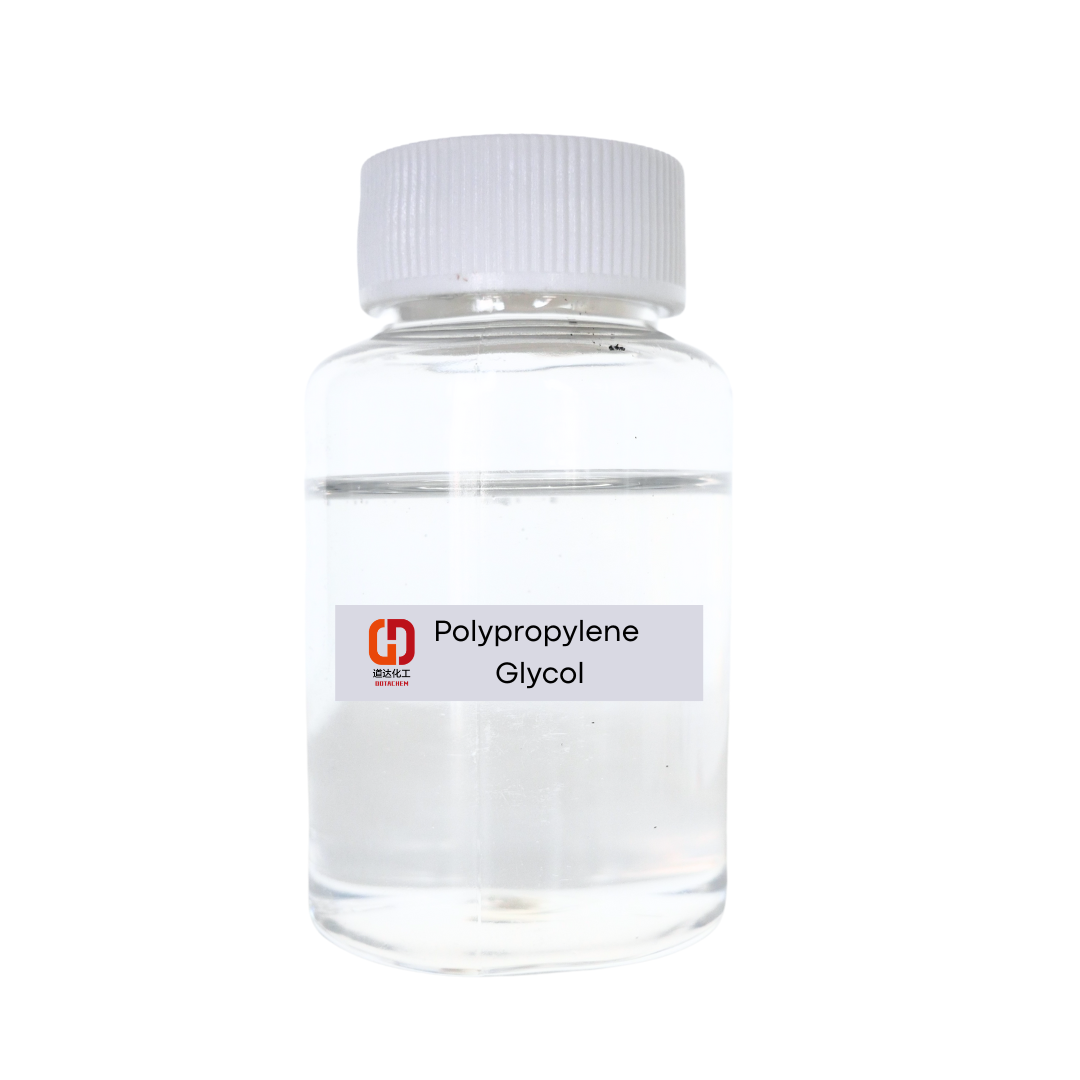
Advanced chemical processes are transforming traditional production methods by integrating innovative catalysts and reaction pathways. Unlike older techniques that relied on brute-force energy or extensive raw material consumption, modern approaches leverage precision chemistry to enhance efficiency and reduce waste. For instance, the adoption of flow reactors allows for continuous processing, which significantly ups output rates while maintaining product quality—a stark contrast to batch systems.
What truly sets these advancements apart is their ability to create entirely new material properties and sustainable alternatives. In sectors like pharmaceuticals and green energy, chemists are developing processes that yield biodegradable polymers and high-performance battery components, pushing industries toward eco-friendly solutions. This isn't just an incremental upgrade; it represents a fundamental shift in how we approach chemical synthesis, enabling smaller-scale setups to achieve what once required massive industrial plants.
Moreover, the interplay of digital tools with chemical engineering is accelerating this revolution. Real-time monitoring and AI-driven simulations optimize reaction conditions on the fly, minimizing trial-and-error phases. As a result, companies can swiftly adapt to market demands, producing everything from custom fragrances to specialized coatings with unparalleled speed and accuracy, reshaping competitive landscapes worldwide.
Enhancing Material Performance for Diverse Applications
From medical implants that integrate seamlessly with human tissue to lightweight alloys powering next-generation aircraft, enhancing material performance isn't just about lab breakthroughs—it's about reshaping our everyday world. By tailoring properties like strength, flexibility, and durability, researchers and engineers are pushing boundaries, enabling innovations that were once confined to science fiction. Whether through advanced composites or smart coatings, the focus remains on solving real-world problems across industries like healthcare, energy, and transportation.
What sets modern approaches apart is the shift from one-size-fits-all solutions to highly customized designs. For instance, in construction, materials that adapt to environmental changes, such as self-healing concrete or thermal-regulating coatings, are reducing maintenance costs and extending infrastructure lifespans. This adaptability ensures that materials not only meet but exceed performance expectations, addressing specific challenges like corrosion resistance in marine applications or thermal stability in electronics.
Ultimately, the drive to enhance material performance fuels a virtuous cycle of innovation, where improvements in efficiency, sustainability, and functionality open doors to new possibilities. By leveraging cutting-edge techniques like nanotechnology and additive manufacturing, we're creating smarter, more resilient materials that contribute to a more sustainable and advanced global ecosystem, proving that material science remains at the heart of progress.
Driving Industry Growth Through Cutting-Edge Research
Innovation is the lifeblood of any thriving sector, and in today's competitive landscape, it's the deep, forward-looking research that truly sets the pace. By diving into unexplored territories and challenging established norms, organizations can uncover breakthroughs that not only solve immediate problems but also open up entirely new markets. This relentless pursuit of knowledge isn't just about staying ahead; it's about creating a ripple effect that boosts efficiency, enhances customer experiences, and fosters sustainable growth across the board.
At its core, cutting-edge research means investing in specialized teams and advanced tools to probe the edges of what's possible. Whether it's in biotech, fintech, or manufacturing, this approach leads to tangible outcomes like more resilient materials, smarter algorithms, or greener processes. The impact is clear: companies that prioritize such R&D often see a surge in productivity and a stronger competitive edge, driving not only their own success but elevating entire industries through shared advancements and collaborative efforts.
Ultimately, the journey of research-driven growth is about more than just numbers; it's about building a legacy of innovation. By fostering a culture where curiosity and experimentation are encouraged, businesses can adapt swiftly to changes and seize emerging opportunities. This proactive stance ensures that they're not just reacting to trends but actively shaping the future, making them indispensable players in a dynamic global economy where progress hinges on bold, evidence-based exploration.
Optimizing Supply Chains for Global Market Demands
Navigating the complexities of global markets requires supply chains that are not only efficient but also agile enough to respond to shifting consumer preferences and regional dynamics. Companies must move beyond traditional linear models, adopting integrated systems that leverage real-time data to forecast demand more accurately. This involves collaborating closely with suppliers and logistics partners to streamline operations, reduce lead times, and minimize disruptions, ensuring products reach customers when and where they're needed most.
To stand out in a crowded landscape, businesses should focus on customization and localization strategies tailored to specific markets. For instance, implementing advanced technologies like IoT sensors and AI-driven analytics can optimize inventory management and route planning, allowing for quicker adjustments to tariff changes or environmental regulations. By embedding sustainability practices, such as reducing carbon footprints through smarter transportation, firms can also enhance their brand reputation and meet the growing demand for ethical sourcing.
Ultimately, a successful supply chain hinges on continuous innovation and a proactive approach to risk management. Embracing digital transformation through cloud-based platforms enables seamless communication across borders, while fostering resilience against geopolitical uncertainties. This holistic view not only boosts competitiveness but also drives long-term growth by aligning operational efficiencies with broader market trends and customer expectations.
Fostering Eco-Friendly Practices in Raw Material Development
In the journey toward sustainable development, fostering eco-friendly practices in raw material development has become a critical priority for industries worldwide. It's not just about compliance; it's about fundamentally rethinking how we source and process resources to minimize environmental footprints. By prioritizing renewable inputs, adopting cleaner extraction technologies, and designing efficient recycling loops, companies can transform their supply chains from linear models into regenerative systems. This proactive shift addresses growing consumer demand for green products and helps mitigate risks associated with resource scarcity and climate change.
Integrating these practices goes beyond technological upgrades—it requires a cultural change where sustainability is embedded in every decision. For instance, using life-cycle assessments to evaluate the impact of different materials ensures choices are data-driven, not just trendy. Collaborations with local communities and stakeholders can enhance transparency, fostering trust and ensuring that development benefits both the environment and society. Such holistic approaches often lead to innovations, like bio-based alternatives or low-impact mining methods, that set new industry standards.
Ultimately, fostering eco-friendly raw material development is an ongoing commitment, not a one-time fix. It demands continuous improvement through monitoring, reporting, and adapting to emerging challenges. By investing in research and pilot projects, industries can test and scale sustainable solutions, making eco-friendliness a core competitive advantage. This forward-thinking mindset not only preserves natural ecosystems but also builds resilience for long-term business success in a world increasingly focused on planetary health.
FAQ
Polyether polyols are essential because they provide the backbone for polyurethane's flexibility, durability, and versatility, influencing properties like elasticity and insulation in end products.
Companies are innovating with bio-based and recycled feedstocks, reducing energy consumption, and minimizing waste to meet eco-friendly demands and regulatory standards.
Advances include catalytic processes for higher efficiency, digital automation for precision control, and novel synthesis methods to enhance product performance and reduce costs.
Polyether polyols offer superior hydrolytic stability and lower viscosity compared to polyester polyols, making them ideal for flexible foams and coatings where moisture resistance is key.
Rising demand in sectors like construction, automotive, and furniture drives investment in scalable production, regional supply chains, and customization to meet diverse application needs.
Challenges include volatile raw material prices, stringent environmental regulations, and the need for continuous R&D to innovate and differentiate products in a crowded market.
Conclusion
Polyether Polyol Company is poised to redefine the future of polyurethane raw material manufacturing by pioneering sustainable solutions that integrate environmental responsibility with cutting-edge innovation. By fostering eco-friendly practices in raw material development, the company is not only reducing its carbon footprint but also setting new industry standards for green chemistry. Through advanced chemical processes, it revolutionizes production methods, enhancing material performance to meet diverse applications across industries such as automotive, construction, and consumer goods. This dual focus on sustainability and performance ensures that polyurethane products are both high-quality and environmentally conscious, driving the transition towards a more resource-efficient global market.
To support this vision, the company leverages cutting-edge research to spur industry growth, optimizing supply chains for global demand while maintaining flexibility and resilience. By integrating innovative technologies and streamlined logistics, it addresses complex market needs efficiently, ensuring reliable access to high-performance materials worldwide. This holistic approach positions Polyether Polyol Company as a leader in the field, blending scientific advancement with practical applications to create a sustainable and dynamic future for polyurethane manufacturing. Through continuous improvement and strategic partnerships, the company not only enhances product capabilities but also contributes to broader economic and environmental goals, making it a pivotal player in shaping tomorrow's industrial landscape.
Contact Us
Contact Person: Levi
Email: [email protected]
Tel/WhatsApp: +86 532 84688720
Website: https://www.polykem-intl.com