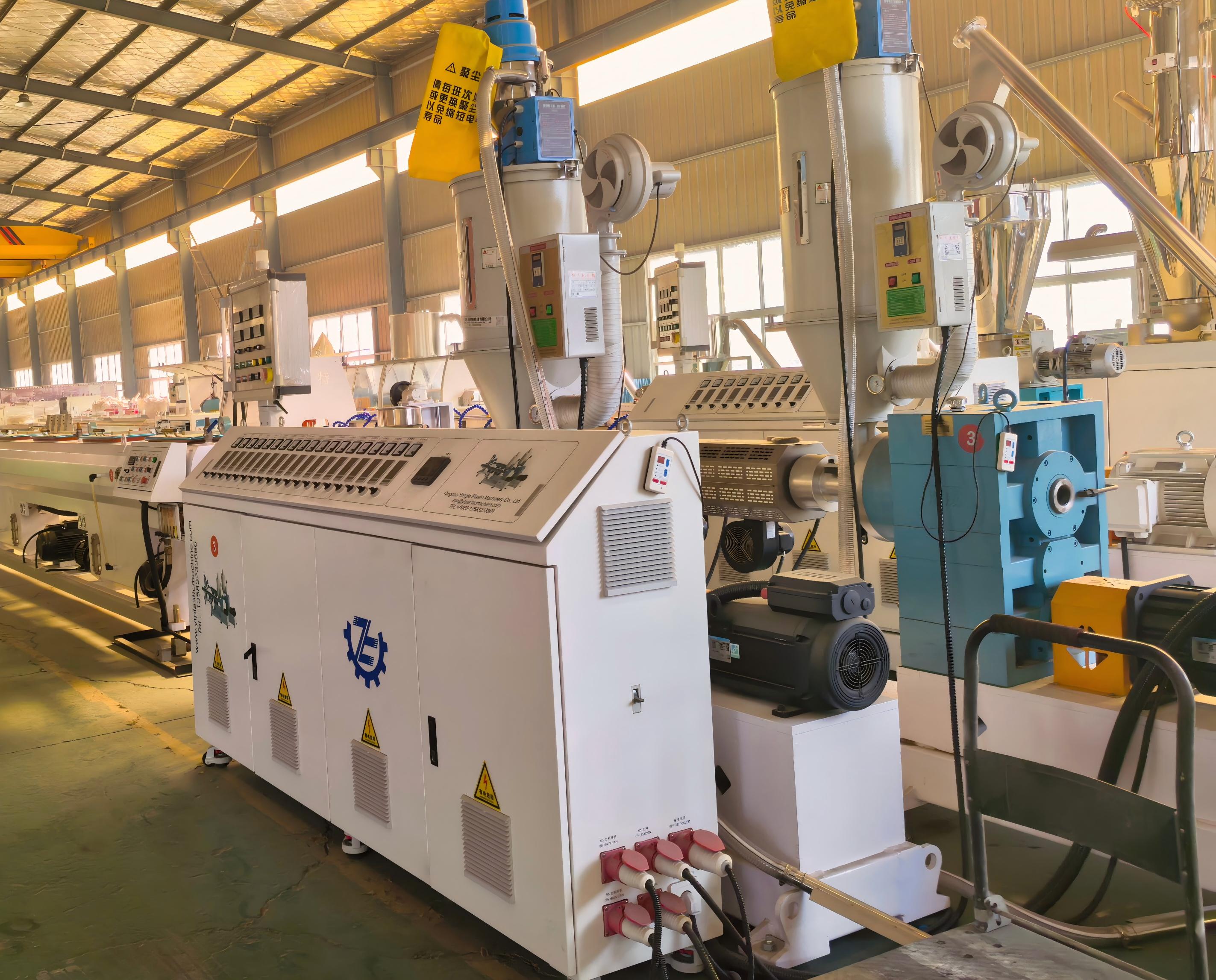
Plastic Pipe Machine Manufacturer: Key Factors for Optimal Production Line Selection
2026-05-10
Selecting the right plastic pipe machine manufacturer can make or break your production line. From extrusion speed to energy efficiency, every detail matters. At Yongte, we’ve seen how the wrong choice leads to costly downtime. So, what should you look for before investing? Let’s dive into the key factors that define a truly optimal setup.
Pinpointing the Right Pipe Specifications for Your Project
Nailing down pipe specifications isn't just about grabbing a number off a chart. It starts with a clear-eyed look at what's actually flowing through the line—corrosive chemicals, high-pressure steam, or maybe just HVAC condensate. Each fluid brings its own quirks: temperature swings that cause expansion, abrasives that slowly eat away at the inner wall, or purity requirements that forbid even trace leaching. Overlooking these factors early on can lead to a pipe that prematurely fails, turning a straightforward job into a costly rework nightmare.
Material choice is where the rubber meets the road. Carbon steel might be a budget-friendly workhorse for many jobs, but throw in a humid environment and suddenly you're fighting rust unless you spec galvanized or stainless. For buried lines, soil conditions matter as much as what's inside the pipe—acidic backfill can corrode from the outside in. And it's not just about the metal; gaskets, linings, and coatings often do the real heavy lifting, so matching the whole package to the real-world operating envelope stops leaks before they start.
Standards and codes aren't just red tape—they're a roadmap. ASTM, ASME, and API designations guide wall thickness, pressure ratings, and connection types, but they also leave room for interpretation. A schedule 40 pipe might meet the pressure requirement on paper, yet a thinner schedule 10 could work if you're willing to weld instead of thread. Factor in installation access and future maintenance, and sometimes a slightly heavier wall or a flanged joint that seems overkill becomes the smart long-term play. The goal isn't minimum code compliance; it's a trouble-free life cycle from installation through decades of service.
Why Machine Build Quality Determines Decades of Performance
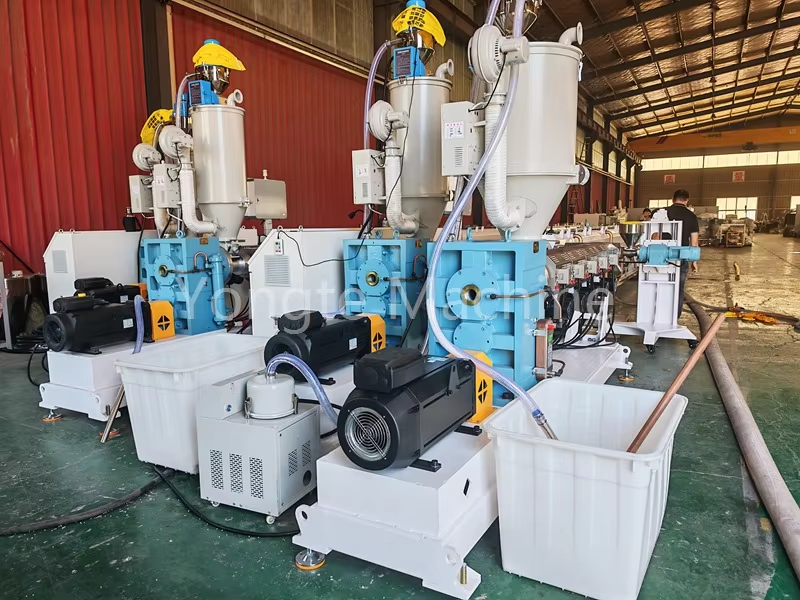
A machine’s build quality is the quiet anchor of its lifespan. When manufacturers choose dense cast iron frames over flimsy substitutes, they’re not just adding weight—they’re soaking up vibration that would otherwise rattle components into fatigue. Precision-ground mating surfaces and hand-scraped ways don’t just look meticulous; they spread loads evenly, so wear stays predictable and gradual. Every bolt torqued to spec and every bearing seated without slop means fewer stress risers hiding in the shadows, ready to crack or wander years down the line.
Decades of reliable output come from what’s buried in the bones of the machine. Tight tolerances in the spindle and linear guides might cost more up front, but they keep alignment stable when the shop floor gets warm or the coolant starts flowing. A poorly assembled machine fights itself from day one, chewing through belts, overheating motors, and nudging critical dimensions out of true. Real build quality shows up in the simplicity of maintenance, too—easy access to grease points, well-routed wiring that won’t chafe, and components that were meant to be serviced, not thrown away.
Over the long haul, the difference is in the rhythm of the work. A sturdily built machine stays predictable, making parts that measure the same at 5 p.m. as they did at 7 a.m., year after year. The money saved on crashes, scrap, and emergency repairs stacks up quietly, while the cheap alternative erodes into a costly cycle of patching and compensating. Build quality isn’t just about surviving the first few projects—it’s about earning back its price tag with steady performance, decade after decade, without making its owner look for a replacement.
The Hidden Costs of Overlooking After-Sales Support
Many businesses treat after-sales support as an afterthought, a box to tick once the sale is closed. But this oversight quietly drains resources in ways that don’t show up on a standard balance sheet. Customers who feel abandoned after a purchase rarely complain directly—they simply vanish, taking their repeat business and word-of-mouth referrals elsewhere. The real sting comes later, when acquisition costs climb to replace them, a leaky bucket that marketing alone can’t patch.
Beyond customer defection, there’s the creeping expense of reactive problem-solving. Without a deliberate support structure, teams get pulled into frantic, last-minute fixes that devour time and morale. Each ad-hoc recovery mission might seem cheap in isolation, but collectively they erode your team’s capacity for higher-value work. What’s more, an unprepared support system invites negative reviews that linger online, silently repelling prospects who never identify the underlying cause of their hesitation.
Balancing Initial Investment Against Operational Efficiency
Every capital decision comes with a tug-of-war between spending now and saving later. Buy the cheaper machine, and you might face constant repairs and higher energy bills. Go premium, and the initial outlay can strain your budget even if it runs like a dream for years. This balancing act isn’t about finding a magic formula; it’s about understanding your operation’s unique rhythm and where each dollar does the most work.
Operational efficiency isn’t just a line item; it seeps into staff morale, production speed, and even customer satisfaction. A well-chosen asset can trim waste, reduce downtime, and let your team focus on what they do best. Yet, chasing efficiency blindly can lead to overinvestment - a glittering piece of technology that rarely gets used to its full potential. The trick lies in mapping long-term gains against short-term cash flow realities, often revealing that the smarter buy isn’t the one with the flashiest spec sheet.
Sometimes the best compromise comes from phased upgrades or leasing agreements that ease the initial sting while paving the way for better efficiency. Don’t overlook the hidden costs of inaction either; clinging to outdated processes can quietly bleed resources. By analyzing true total cost of ownership and keeping an eye on how a purchase will age over time, you can make moves that feel right today and still make sense five years down the road.
How Manufacturer Expertise Shapes Production Line Success
A manufacturer’s deep-seated expertise often serves as the invisible backbone of a thriving production line. It’s not merely about having advanced machinery; it’s the accumulated know-how—from fine-tuning equipment tolerances to anticipating material behaviors—that turns a standard setup into a high-performance system. When engineers wield years of hands-on problem-solving, they can preempt bottlenecks and refine workflows in ways that generic protocols never capture. This practical wisdom reduces downtime, lifts output quality, and fosters an environment where continuous improvement is second nature.
Beyond the technical aspects, seasoned manufacturers bring a nuanced understanding of supply chain dynamics and human factors. They grasp that a production line isn’t just a sequence of machines but a symphony of logistics, maintenance rhythms, and team coordination. Their ability to balance speed with precision, and to tailor solutions to a facility’s unique quirks, ensures resilience against disruptions. This blend of insight and adaptability often spells the difference between a line that merely functions and one that consistently outperforms expectations.
Future-Proofing Your Investment with Adaptable Machinery
In a landscape where production demands shift overnight, rigid machinery can quickly turn from asset to liability. Adaptable equipment is engineered to evolve alongside your operations, accommodating new materials, formats, or processes without costly overhauls. This flexibility means you’re not locked into a single product line; instead, you gain the freedom to pivot as market trends dictate, protecting your capital from premature obsolescence.
Modular design lies at the heart of this resilience. Interchangeable components and software-driven adjustments allow swift reconfiguration—often in minutes rather than days. Whether it’s scaling output, integrating automation upgrades, or transitioning between batch sizes, the machinery adapts without compromising precision or throughput. You invest once, yet the system’s utility grows over time, continuously aligning with your business trajectory.
Beyond hardware, intelligent diagnostics and remote monitoring further extend operational longevity. Real-time data alerts you to wear patterns before they cause downtime, while over-the-air updates refine performance without halting production. This proactive approach shifts maintenance from a reactive cost center to a strategic advantage, ensuring your investment not only endures but thrives in an unpredictable industrial environment.
FAQ
You need to evaluate their engineering expertise, the durability of their equipment, and their ability to customize lines for specific pipe materials like PVC, PE, or PP. Also, check their track record with comparable projects and whether they provide hands-on training for your operators.
An experienced manufacturer understands the nuances of different polymers and extrusion techniques, so they can optimize screw design and cooling systems to minimize waste and boost throughput. They’ve also likely refined their systems over years of real-world feedback, meaning fewer unexpected breakdowns.
Even the best machines need maintenance. A manufacturer that offers rapid on-site or remote troubleshooting, readily available spare parts, and technical guidance can prevent prolonged downtime that eats into your profits. Look for those with service centers in your region.
Automation reduces manual errors and lets you run continuously with consistent output. Features like automatic wall thickness control, inline quality sensors, and robotic stacking systems not only improve product uniformity but also cut labor costs over time.
Visit the manufacturer’s existing installations and talk to those operators about day-to-day reliability. Request sample runs with your own raw materials. Inspect the robustness of components like the barrel and screw; heavy-duty construction often translates to longer service life.
Going for the lowest quote without analyzing lifetime operating expenses is a big one. Others include ignoring the compatibility of the line with future material changes, undervaluing energy efficiency, and not checking the manufacturer’s history of delivery delays.
Focus on total cost of ownership. A slightly higher upfront investment in energy-efficient motors or longer-lasting screws can pay back quickly through lower utility bills and maintenance. Also, consider the resale value: well-engineered machines hold their worth better.
Conclusion
Selecting the right plastic pipe machine begins long before a purchase order is signed—it starts with a meticulous definition of the pipe dimensions, material grades, and daily output volumes your operation requires. Overlooking these specifics often leads to a line that either bottlenecks production or generates excessive scrap. Equally foundational is the construction quality of the machinery itself. Thick steel frames, precision-machined screws and barrels, and high-grade electrical components are not just marketing bullet points; they directly translate into decade-spanning reliability and consistent wall thickness control. A manufacturer’s accumulated expertise in processing various polymers—from HDPE to CPVC—shapes how well the line handles temperature-sensitive materials or tight tolerances. When that know-how is embedded in the engineering team, you get proactive design features that minimize warpage and maximize throughput without constant adjustment.
The true cost of ownership, however, extends into after-sales territory. Spare parts availability, response times for technical support, and training for your crew can mean the difference between a minor hiccup and a week of lost production. Many operations underestimate these hidden expenses until a critical component fails. Balancing the initial capital outlay against ongoing operational efficiency is another tightrope act. A slightly more expensive machine with faster cycle times, lower energy draw, and tool-free changeovers often pays for itself within the first few years. Finally, planning for tomorrow’s market means opting for machinery that adapts—whether through quick-change tooling for different pipe diameters or controls ready for smart-factory integration. Lines designed with modularity in mind let you pivot to new product standards without scrapping your whole investment.
Contact Us
Contact Person: Ms Qin
Email: [email protected]
Tel/WhatsApp: 8613583233866
Website: https://www.yongteplast.com