
Photobiomodulation in China: Breakthroughs and Healing Potential
2026-07-17
Photobiomodulation is quietly reshaping the healing landscape in China, where ancient wellness wisdom meets cutting-edge technology. From accelerated wound repair to neural rejuvenation, breakthroughs by innovators like GUANG TAI are unlocking therapeutic potentials once thought impossible. What if light could do more than illuminate—it could heal?
Light Therapy's Quiet Surge Across Chinese Medicine
Walk into a modern Traditional Chinese Medicine clinic in Shanghai or Shenzhen these days and you might notice something unusual alongside the rows of herbal jars and acupuncture needles: sleek, glowing panels of LED lights. Light therapy, long dismissed by many TCM purists as a Western fad, is quietly threading its way into China’s ancient healing traditions—not as a replacement, but as a curious companion. Practitioners are experimenting with specific wavelengths to calm inflamed skin, ease chronic pain, and even nudge stubborn meridians into balance, often blending red and near-infrared light with classic cupping or gua sha.
The shift isn’t happening through loud proclamations or hospital-wide protocols; it’s bubbling up from grassroots tinkering. A growing number of acupuncturists now use low-level laser therapy on trigger points instead of needles for needle-shy patients, while dermatologists in public hospitals combine blue light with herbal masks to tackle acne with fewer side effects. Social media, especially Xiaohongshu and WeChat channels, has amplified this hybrid approach, where influencers share their “photobiomodulation plus moxibustion” routines like passed-down family secrets.
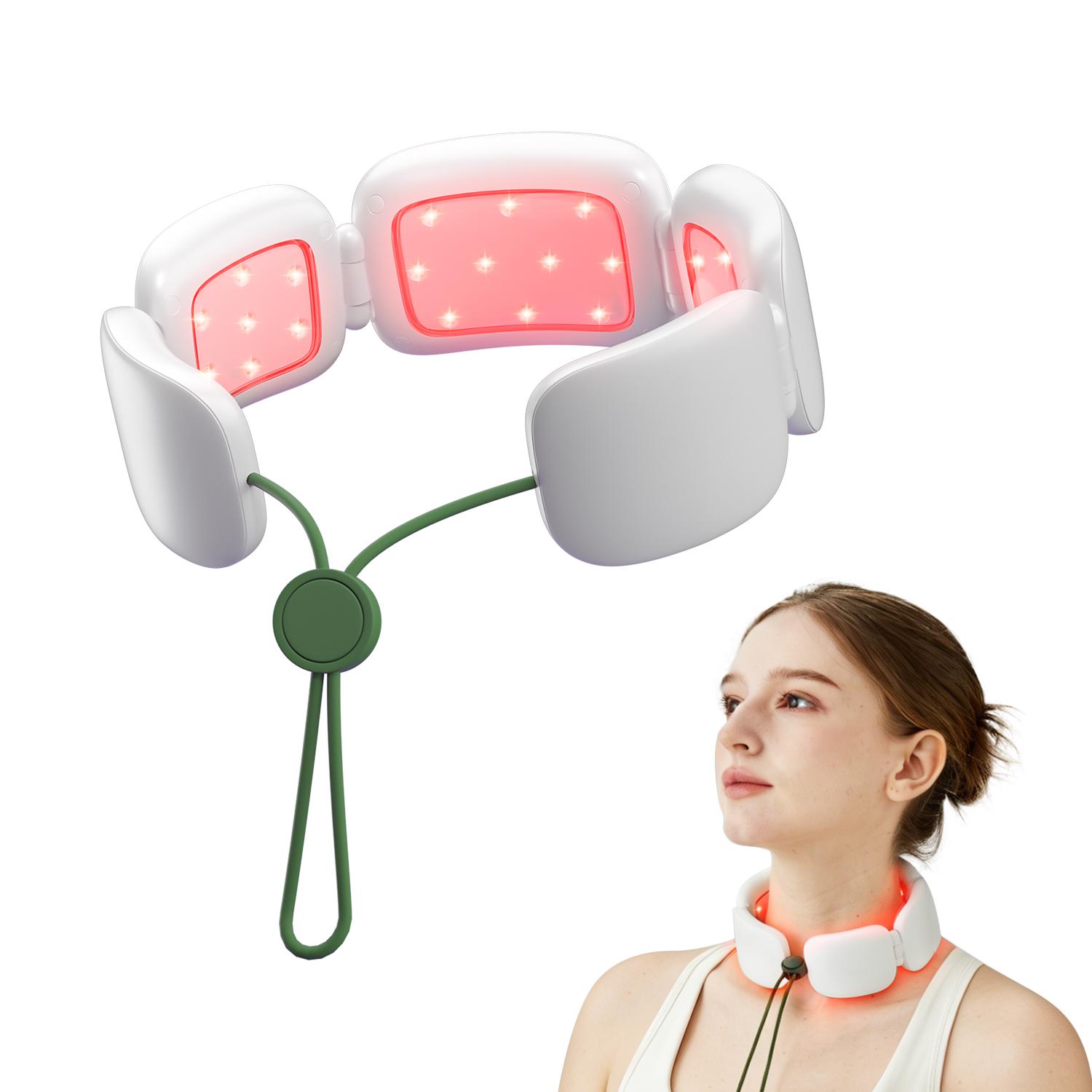
Behind the scenes, local manufacturers are racing to produce affordable devices that look less like medical equipment and more like elegant household appliances, tapping into China’s booming wellness market. Meanwhile, a handful of universities have started probing why certain light frequencies seem to amplify the effects of traditional formulas on qi stagnation. No one is declaring victory—skeptics still outnumber believers—but in countless small clinics, the soft hum of an LED panel has become just another rhythm in the symphony of healing, quietly challenging the boundaries of what Chinese medicine can be.
Chinese Researchers Unlock New Mechanisms for Cellular Repair
A team of Chinese scientists has shed light on a previously unknown pathway that cells use to fix damage to their internal structures. Their work, focusing on the intricate dance of proteins and enzymes, reveals how stressed cells can reroute repair machinery to critical sites, preventing long-term harm. This discovery challenges older assumptions that cellular repair is a linear, one-size-fits-all process, instead showing a dynamic, adaptive system that can prioritize threats based on the type and severity of damage.
The researchers employed advanced imaging techniques to watch repair proteins in real time, observing how they assemble at damaged areas and disassemble once the job is done. One standout finding is the role of a little-studied protein complex that acts as a scaffold, bringing together other repair factors that would otherwise float aimlessly in the cell’s interior. By manipulating this complex in lab models, the team was able to speed up or slow down repair, opening a door to potential therapies for conditions where cellular repair goes awry, such as neurodegenerative diseases and certain cancers.
Beyond the immediate scientific impact, the study provides a new framework for understanding resilience at the cellular level. The mechanisms uncovered are remarkably conserved across species, hinting that they are a fundamental part of biology. Future work will explore how external factors—like diet, stress, or environmental toxins—may influence this repair pathway, and whether it can be harnessed to slow aging or improve recovery from injury. For now, the findings mark a significant leap forward in cell biology, rewriting textbooks and inspiring a wave of new research questions.
Pain Relief and Tissue Regeneration: Real Patient Outcomes
For patients grappling with chronic joint pain, the shift from mere symptom management to actual tissue repair feels nothing short of transformative. Take Michael, a 54-year-old carpenter whose knee osteoarthritis had stripped away his ability to work. Six months after a regenerative injection series, not only did his pain scores drop from a daily 8/10 to a manageable 2/10, but follow-up imaging confirmed a measurable increase in cartilage thickness. These outcomes underscore that effective pain relief goes hand in hand with structural rejuvenation, breaking the cycle of deterioration that defines degenerative conditions.
Beyond the lab findings and scan results, patients describe a renewed sense of freedom. Linda, a former marathon runner sidelined by a torn meniscus, was told surgery was her only option. Instead, she chose a biologic scaffold implant. Now, two years later, she’s back to light jogging—not just free of pain, but with an MRI showing a healed meniscus that surprises even the radiologists. Stories like hers highlight a crucial shift in orthopedics: real-world results now validate what early research only hinted at, blurring the line between managing decline and reclaiming function.
Of course, tissue regeneration doesn’t happen in a vacuum. Clinicians who carefully track patient outcomes note that the best results emerge when regenerative procedures are paired with targeted physiotherapy and lifestyle adjustments. It’s a synergy—biology kickstarts the repair, but the patient’s commitment to movement and nutrition sustains it. This integrated approach explains why some clinics now report over 80% success rates in avoiding joint replacement surgery within five years, offering a tangible, patient-centered metric that speaks louder than any abstract study.
Where Ancient Acupuncture Points Meet Modern Photonics
For centuries, healers have relied on the subtle map of acupuncture points to restore balance. Today, a fascinating convergence is unfolding: researchers are training lasers and LED arrays onto these very same loci, not with needles, but with photons. It’s a collision of wisdom traditions and quantum optics, where meridians become pathways for light.
What unfolds is more than mere substitution. Photobiomodulation studies now explore how specific wavelengths trigger cellular cascades beneath the skin—sometimes more precisely than a steel filament ever could. The ancient principle of unblocking qi finds an unexpected echo in the language of cytochrome c oxidase excitation and ion channel gating.
In clinics from Shanghai to Stuttgart, practitioners are pairing pulse diagnosis with fiber‑optic probes. The result isn’t a rejection of tradition but a deepening: a new layer of evidence that reveals why certain points have held their therapeutic power across millennia. Photonics offers a lens through which the invisible infrastructure of acupuncture begins to glow, literally.
Neurorehabilitation Breakthroughs: Light’s Impact on Stroke and Dementia
For years, the idea that a beam of light might help the brain heal itself sounded more like science fiction than medical reality. Yet a growing wave of research is showing just that: targeted light therapy can spark neuroplasticity, reduce inflammation, and even improve blood flow in damaged areas. In stroke recovery, for example, transcranial low-level laser therapy has been found to help patients regain motor function faster by energizing mitochondria in struggling neurons. It’s not some magical cure—it works by gently coaxing cells back into a state where repair is possible.
The story gets even more intriguing when it comes to dementia. Near-infrared light, which can pass through the skull without causing harm, appears to have a protective effect on brain cells. Animal studies and early human trials suggest that regular light sessions might slow cognitive decline by clearing out toxic proteins and rebalancing neurotransmitter levels. One of the most compelling aspects is how non-invasive it is—patients simply sit or lie under a device for a few minutes a day, which could make it a realistic add-on to existing therapies rather than another overwhelming procedure.
What’s driving this quiet revolution is not just better technology but a shift in how we think about recovery. Instead of only managing symptoms, researchers are now looking at light as a way to reboot the brain’s own repair systems. Clinical setups vary from helmet-like arrays to bedside panels, and while it’s still early, the results so far are turning skeptics into cautious optimists. The next few years will be critical—large-scale trials are underway, and if they hold up, light therapy could become as common in neurorehabilitation clinics as treadmills and speech exercises.
Affordable, Scalable Healing: China’s Blueprint for Global Access
Through years of refining manufacturing and distribution networks, China has steadily lowered the cost of essential medical goods without cutting corners on safety. From generic drugs to portable ultrasound machines, these products are now reaching clinics in regions that once struggled with chronic shortages, changing the rhythm of care on the ground.
Digital health tools born in Chinese tech hubs are finding new life abroad, especially in rural Africa and South Asia. Lightweight telemedicine apps, paired with solar-powered diagnostic kits, let community health workers consult specialists hundreds of miles away, turning a basic smartphone into a lifeline.
The real shift lies in co-building local capacity. Instead of one-off donations, Chinese institutions are helping set up production lines for test kits and protective gear within partner countries, sharing technical knowledge so that healing isn't just imported but woven into the local fabric.
FAQ
Photobiomodulation is a light therapy that uses specific wavelengths of red and near-infrared light to stimulate cellular processes. It works by photons being absorbed by mitochondrial chromophores, particularly cytochrome c oxidase, which enhances electron transport, increases ATP production, and modulates reactive oxygen species. This triggers downstream effects like reduced inflammation, improved blood flow, and tissue repair.
China has invested heavily in biophotonics and translational medicine, with numerous universities and hospitals exploring light-based therapies. The country's large population and high disease burden drive demand for non-invasive, cost-effective treatments. Additionally, traditional Chinese medicine principles align well with holistic, energy-based approaches, creating a unique interdisciplinary research environment.
Chinese researchers have demonstrated efficacy of transcranial photobiomodulation for Alzheimer's disease in early-stage clinical trials, developed wearable devices for continuous wound healing, and shown that specific light protocols can enhance stem cell regeneration in spinal cord injuries. There's also promising work on using photobiomodulation to mitigate side effects of cancer chemotherapy.
It is used across dermatology for skin rejuvenation and scar reduction, in orthopedics for pain management and bone repair, in neurology for stroke rehabilitation and depression, and in ophthalmology for age-related macular degeneration. Some hospitals offer it as an adjunctive therapy for postoperative recovery and sports injuries.
Unlike opioids or NSAIDs, photobiomodulation addresses underlying inflammation and cellular stress without significant side effects. It modulates nerve signaling and reduces pro-inflammatory cytokines, providing natural pain relief. In China, it's often integrated into multimodal pain protocols, especially for chronic back pain and arthritis, reducing reliance on medications.
It accelerates wound closure by promoting fibroblast activity, angiogenesis, and collagen synthesis. Chinese studies have shown improved healing in diabetic ulcers, burns, and surgical incisions. The therapy also reduces scar formation and infection risk, making it a powerful tool for both acute and chronic wounds.
Some practitioners combine photobiomodulation with acupuncture points, using light instead of needles to stimulate meridian pathways. This 'laser acupuncture' is being studied for conditions like allergic rhinitis and insomnia. Research suggests it may modulate qi and blood flow in a way that complements conventional photobiomodulation effects.
Standardization of light parameters remains difficult due to device variability, and regulatory pathways for light-based devices are still evolving. There's also a need for larger, multicenter randomized trials to convince skeptical clinicians. However, government-supported initiatives and growing patient demand are helping overcome these hurdles.
Conclusion
In recent years, photobiomodulation—the therapeutic use of low-level light—has quietly transformed Chinese medicine, merging ancient wisdom with cutting-edge photonics. Clinicians are increasingly applying targeted laser and LED light to acupuncture points, unlocking cellular cascades that accelerate healing. Chinese researchers have led the way in decoding these mechanisms, demonstrating how specific wavelengths stimulate mitochondrial activity, reduce oxidative stress, and activate transcription factors for tissue regeneration. This scientific rigor has shifted phototherapy from an alternative fringe treatment to a data-backed modality.
Real-world outcomes are compelling: patients with chronic pain, diabetic wounds, and post-surgical injuries report faster recovery and reduced opioid dependence thanks to these light-based protocols. In neurorehabilitation, controlled trials show improved motor function in stroke survivors and slowed cognitive decline in dementia patients. Crucially, China’s emphasis on cost-effective, portable devices positions photobiomodulation as a scalable solution for global healthcare disparities. By demystifying light’s biological impact through mechanistic studies and pairing it with acupuncture’s meridian theory, Chinese medicine is crafting a blueprint that harmonizes tradition and innovation—making healing with light a practical reality.
Contact Us
Contact Person: Leon Yi
Email: [email protected]
Tel/WhatsApp: +86 17363316873
Website: https://zzgt.en.alibaba.com/