
PE Cool Feeling Yarn: The Secret to Comfortable Summer Clothing
2026-06-29
As summer heat sets in, the quest for clothing that keeps you cool and comfortable becomes paramount. Enter PE Cool Feeling Yarn—a game-changing textile innovation that redefines how we experience warm-weather fashion. Developed by Changshu Polyester, this advanced yarn combines moisture-wicking properties with a lasting cooling sensation, making it the secret ingredient behind your next favorite summer outfit. In this post, we unravel the science and style behind PE Cool Feeling Yarn, and why it’s poised to become a staple in your warm-weather wardrobe.
The Cool Factor: Demystifying PE Yarn's Chilling Effect
PE yarn doesn't just feel cool—it actively pulls heat away from your skin. Polyethylene's molecular structure is densely packed, giving it a high thermal conductivity that mimics the sensation of touching a cold metal surface, but without the harshness. When woven into fabric, those thin, smooth filaments maximize skin contact, creating an instant chilling effect that's more physics than marketing.
What's often overlooked is how this cooling sensation persists even in humid conditions. Unlike cotton, which traps moisture and clings, PE yarn wicks sweat outward where it can evaporate rapidly. The yarn's hydrophobic nature means it never gets waterlogged, so you skip that clammy feeling altogether. It's the difference between wearing a damp towel and a breathable, second skin.
Beyond the initial touch, there's a subtle trick at play: PE yarn reflects a portion of ambient heat instead of absorbing it. This passive cooling isn't reliant on chemical finishes that wash out after a few cycles. The chilling factor is built into the very fiber, meaning your gear stays consistently cool, wash after wash, trail after trail.
Why This Yarn Became the Go-To for Stifling Heat
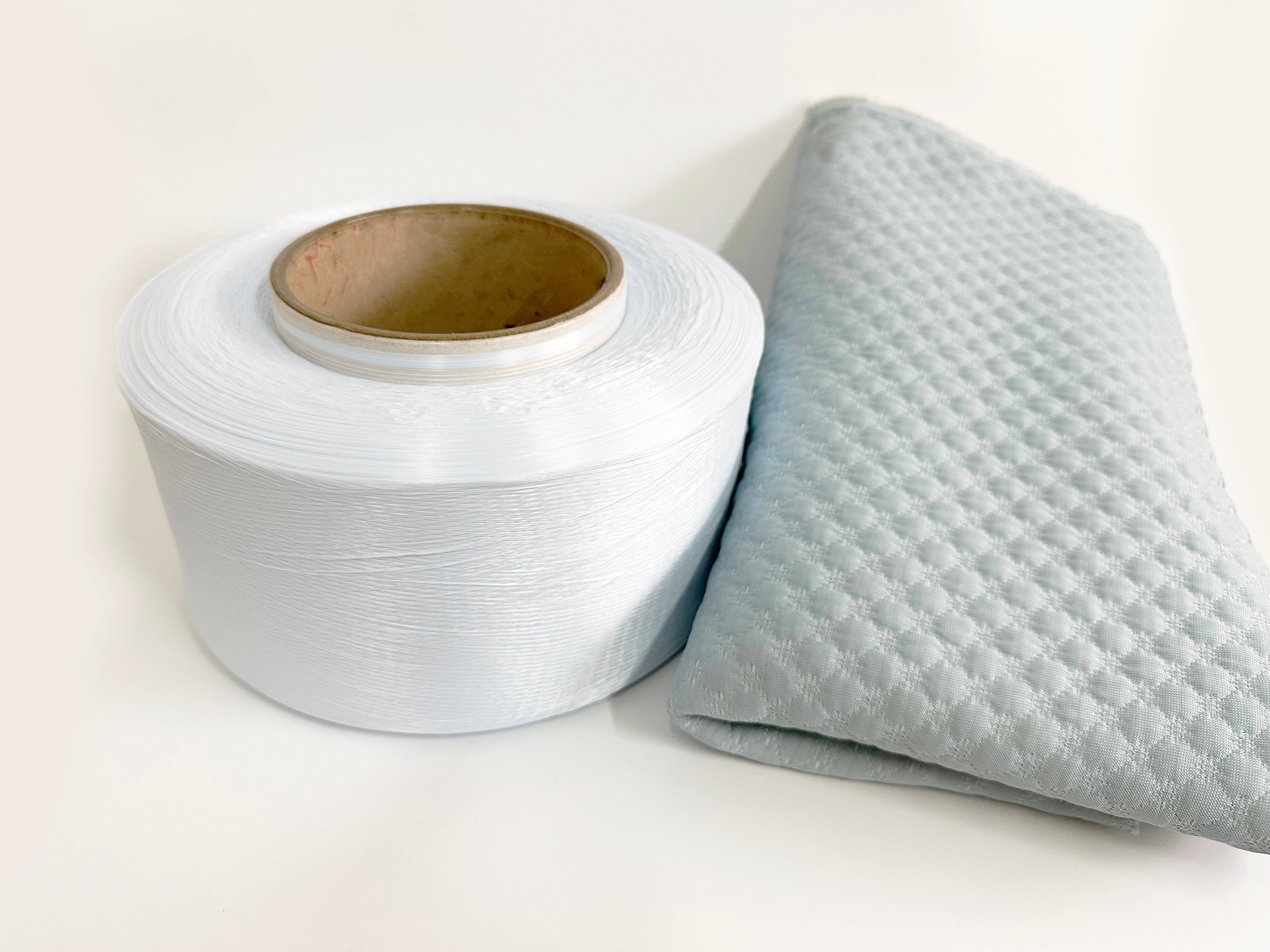
It’s not magic, just smart engineering. This yarn works because of a tight, high-twist structure that blocks radiant heat before it ever reaches your skin. Unlike flimsy summer fabrics that cling and trap sweat, the dense spiral of fibers creates a micro-barrier. Heat bounces off, air circulates in the tiny gaps, and you stay cooler without relying on chemicals or coatings. That’s why it handles stifling conditions without turning into a portable sauna.
Most hot-weather gear falls into the same trap: it’s thin, sure, but it’s also transparent and limp. This yarn flips that. It holds its own shape, drapes with some actual weight, and doesn’t get that wet-tissue look after an hour. You can wear it in a packed subway car or under midday sun, and it won’t plaster itself to your back. The yarn naturally wicks moisture, too, so you stay dry instead of just feeling damp.
Another reason it took over: it doesn’t scream “performance.” It looks like normal, decent clothing—the kind you’d pack without overthinking. No shiny logos, no tech-gimmick names. Just a fabric that handles oppressive heat quietly. Once people realized they could stop dreading summer outfits and just wear this, it caught on fast. Not because it’s revolutionary, but because it finally makes sense.
From Lab to Loom: The Evolution of Breathable Apparel
Breathable fabrics as we know them today didn’t just appear overnight—they emerged from decades of trial and error in material science labs. Early synthetic textiles like nylon and polyester were durable but notoriously stifling, trapping heat and moisture against the skin. Researchers soon realized that comfort wasn’t just about fiber strength; it was about how the fabric interacted with the body’s microclimate. This sparked a quiet revolution in textile chemistry, where scientists began engineering fibers at the molecular level to mimic the airiness of natural cotton while retaining the performance perks of synthetics.
The leap from lab experiments to loom production hinged on one critical breakthrough: the creation of microporous structures within the yarn itself. By extruding polymers through specialized spinnerets, manufacturers could weave filaments with built-in channels and voids. These microscopic openings allowed air to circulate and water vapor to escape, yet blocked liquid moisture from seeping in from outside. It was a delicate balancing act—too many pores and the garment lost shape; too few and it suffocated. The result was a generation of performance wear that felt lightweight and cool, even during intense activity.
Today’s most advanced breathable apparel draws inspiration from nature, incorporating biomimetic designs that replicate the way plant stomata or animal fur regulate temperature. Fabrics now adapt dynamically, opening their pores wider when body heat rises and closing them in colder conditions. The process has moved far beyond simple wicking; it’s an intricate dance between material innovation and precision weaving, where every thread is engineered to serve a purpose. From the sterile quiet of the lab to the rhythmic clatter of industrial looms, the journey of breathable clothing continues to redefine what we expect from the garments we live in.
Wearing Science: How Cool Feeling Yarn Changes Your Day
Imagine stepping into a sweltering morning, the air thick and heavy, yet your shirt feels like a gentle breeze against your skin. That’s the quiet magic woven into cool feeling yarn. Instead of trapping heat, these fibers actively pull moisture away and speed up evaporation, leaving you dry and surprisingly fresh. It’s as if the fabric has a built-in intelligence, responding to your body’s needs before you even register the discomfort. Suddenly, a stifling commute or a crowded midday errand becomes more of a gentle glide than a sticky struggle.
What truly changes isn’t just your temperature—it’s your entire rhythm. Without the constant distraction of clinging clothes or that damp, overheated feeling, you move with a lighter, more focused energy. You’re not fidgeting or seeking shade; you’re simply present. Whether you’re chasing deadlines or chasing after kids, the science in your clothing works quietly in the background, transforming routine moments into something resembling ease. By early evening, you realize you haven’t thought about the heat once—and that, perhaps, is the coolest change of all.
Cool Yarn vs. Cotton: A Sweltering Showdown
When summer turns up the heat, the battle between cool yarn and classic cotton becomes personal. Cool yarn—often engineered with advanced synthetic blends or treated natural fibers—is designed to wick moisture away almost instantly, leaving your skin feeling dry and refreshed even as the mercury climbs. Cotton, on the other hand, is the trusty old friend: breathable and soft, but it soaks up sweat like a sponge and clings damply until it finally dries. That contrast creates two very different experiences on scorching days.
The magic of cool yarn lies in its structure. Many versions incorporate micro-grooves or hollow cores that pull perspiration to the fabric’s surface for rapid evaporation, while others rely on thermally conductive additives that actively lower the fabric temperature against your skin. You’ll notice the difference when a breeze hits—cool yarn feels almost chilled, whereas cotton can feel heavy and muggy. However, cotton loyalists argue that nothing beats the natural, airy drape of a well-worn cotton tee, which is hard to dispute on milder days.
Ultimately, the showdown depends on your priorities. If you’re running errands under the midday sun or jogging through humidity, cool yarn’s performance edge is undeniable—it keeps you drier, lighter, and less prone to that sticky discomfort. But if you’re lounging in the shade or enjoying a relaxed evening, cotton’s effortless comfort and softness still reign supreme. Each has its place, and the real winner might just be the one you reach for when the heat is on.
Preserving Chill: Simple Care for Long-Lasting Comfort
Keeping your cooling gear in top shape doesn't require a full afternoon. Often, it's the small, regular habits that make the biggest difference. A quick wipe-down after each use, checking seals for cracks, or simply ensuring air vents stay clear—these mini rituals prevent buildup that quietly undermines performance. Think of it as giving your unit the same kind of attention you'd give a favorite appliance; a little consistent care keeps it running smoothly without you even noticing, until that first heatwave hits and you realize it's still humming along like day one.
Temperature consistency is the unsung hero of long-term reliability. Letting the system lurch between extremes forces components to work harder than they need to. Instead of cranking it to maximum only when you're sweating, try maintaining a steady baseline—even when you're not around. This gentle approach not only reduces wear on the compressor and fans but also keeps humidity in check, creating a more balanced environment that feels naturally pleasant rather than artificially cold.
Don't overlook the quiet impact of placement and airflow. A unit tucked too tightly against a wall or buried under clutter simply can't breathe. Give it room to circulate air freely—a clean, open space around vents and intakes makes a world of difference. Something as simple as closing blinds during peak sunlight hours or adding a light curtain to redirect cool air can reshape how the space holds onto comfort. When the setup works with the room's natural flow, you'll find yourself reaching for the controls far less often.
FAQ
PE cool feeling yarn is a specially engineered polyester fiber designed to rapidly wick moisture and dissipate heat, giving fabrics a lasting cool-to-the-touch sensation. Unlike standard polyester, it incorporates physical or chemical modifications that enhance thermal conductivity, so it actually feels chillier against the skin.
The yarn increases the surface area of the fiber and often uses cross-sectional shapes that pull sweat away from the body and spread it quickly, speeding up evaporation. This process draws heat away, creating a cooling effect without relying on chemicals that might wash out over time.
While it's fantastic for activewear, its lightweight and breathable nature makes it perfect for casual shirts, dresses, and even bedding. Designers are increasingly blending it with cotton or linen to add a crisp, cool hand feel to everyday garments.
Unlike fabrics treated with cooling finishes, the cooling property of PE yarn is built into the fiber itself. It won't fade with washing; instead, it remains effective for the lifespan of the garment, as long as you avoid harsh chemicals like bleach or fabric softeners that might coat the fibers.
It offers a unique sensation—smoother and more consistent than many natural fibers. The cool touch instantly relieves that sticky, overheated feeling cotton can sometimes get in humidity, though it might not have the same plushness as high-end cotton. Its true strength is in active heat management.
Typically, the dense weave and fiber structure used in cool feeling fabrics can provide decent UV shielding, but that's more about construction than the yarn itself. Many brands combine it with UV-blocking additives to create garments that are both cool and sun-safe.
Because it tackles the root problem of summer discomfort—heat and sweat buildup—without adding weight or bulk. It transforms simple polyester from a potential sweat trap into a proactive cooling system, letting people stay fresh and dry even in sweltering conditions, all while being easy to care for.
Conclusion
PE cool feeling yarn isn't just another fabric innovation—it's a genuine shift in how we experience summer clothing. Unlike typical materials that trap heat, this yarn uses a clever combination of high-density polyethylene fibers and a specialized cross-section to pull warmth away from the skin the moment you put it on. That instant chilling effect, often described as a quick drop in surface temperature, is what makes it so addictive when the mercury rises. It’s not a coating or a chemical trick; the cooling is built straight into the structure. Researchers spent years refining the extrusion and spinning techniques to ensure the yarn could be woven or knit into everyday garments without losing breathability or softness. The result is apparel that actually feels cold to the touch and keeps you drier as sweat evaporates faster, so you’re not left with that clammy, sticky sensation that ruins a hot afternoon.
What really sets this yarn apart, though, is how it stacks up against old summer standbys like cotton. In side-by-side comparisons, cotton tends to soak up moisture and hold it, turning heavy and clingy, while PE cool feeling yarn wicks and dries at a much faster clip. It doesn’t just manage sweat better—it actively contributes to a lower skin temperature, making a noticeable difference during a long commute or a walk under direct sun. And unlike some high-tech fabrics that demand fussy care, this one keeps its chill with a simple wash and line dry. No special detergents, no complicated instructions. With growing interest in fabrics that do more than just cover, this yarn represents a quiet marriage of material science and daily routine—giving people a way to stay calm and collected even when the weather does its worst.
Contact Us
Contact Person: CONNIE
Email: [email protected]
Tel/WhatsApp: 86-0512-53671634
Website: https://www.lida-yarn.com/