
Optimizing Renewable Development: The Role of Chinese Solar Purlin Companies in Solar Panel Installation
2026-01-18
As the world accelerates its transition to renewable energy, solar power stands at the forefront of this green revolution. Yet, behind every efficient solar panel installation lies a critical, often overlooked component: solar purlins. These structural supports are the unsung heroes ensuring durability and performance in solar arrays. In this exploration, we delve into how Chinese solar purlin companies are revolutionizing the industry, driving down costs while enhancing reliability. At Energet Solar, we recognize the pivotal role these innovations play in optimizing renewable development. Join us as we uncover the strategies and technologies shaping the future of solar installations, and discover why choosing the right purlin partner can make all the difference in your energy goals.
Laying the Foundation: How Solar Purlin Design Boosts Panel Efficiency
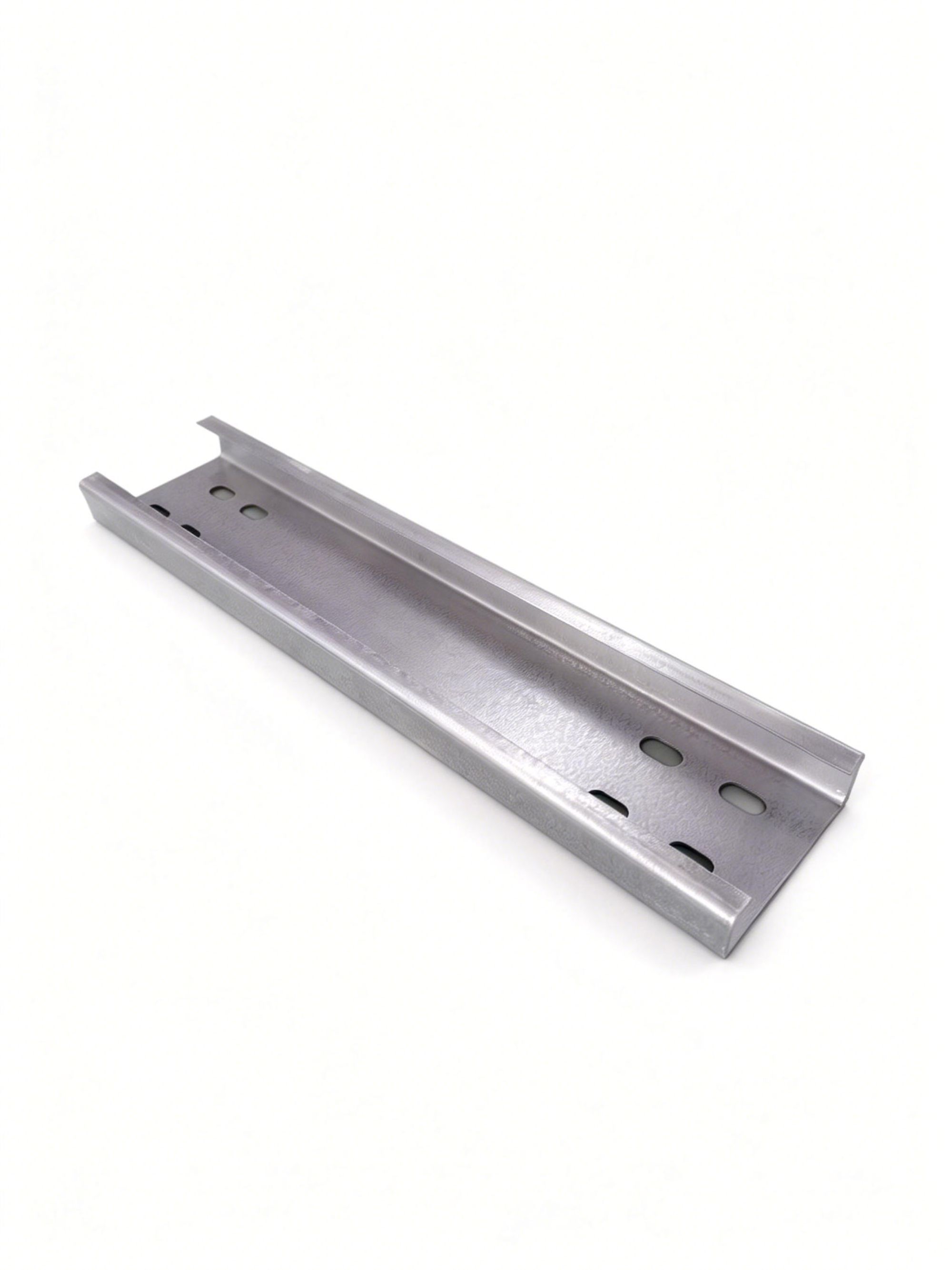
The design of solar purlins, the horizontal structural members that support solar panels on rooftops or ground-mounted systems, plays a critical role in optimizing photovoltaic efficiency. By providing robust and precise support, these components ensure panels are installed at the correct tilt and orientation to capture maximum sunlight throughout the day. A well-designed purlin system minimizes shading and prevents panel misalignment, which can significantly reduce energy output. This foundational aspect directly impacts overall system performance, making it a key consideration in solar installations.
Advanced purlin designs often incorporate materials and engineering techniques that enhance durability while reducing weight, contributing to a more efficient installation process. For instance, lightweight aluminum purlins can be easier to handle and adjust on-site, allowing for quicker setup and fine-tuning of panel angles. This not only saves time and labor costs but also ensures that panels are positioned to achieve peak efficiency from day one. In this way, thoughtful purlin design acts as a catalyst for maximizing the return on investment in solar energy projects.
Moreover, innovative purlin systems can include features like integrated cable management or corrosion-resistant coatings, which further boost efficiency by protecting electrical components and extending the system's lifespan. By addressing potential issues like wiring damage or material degradation, these designs help maintain consistent power generation over the long term. As solar technology evolves, the focus on purlin optimization continues to grow, highlighting its unsung yet vital role in driving sustainable energy solutions forward.
Cost-Effective Solutions: Streamlining Renewable Projects with Chinese Engineering
China's engineering expertise offers a game-changing approach to renewable energy projects through cost-effective solutions that streamline development and deployment. By leveraging large-scale domestic production and advanced manufacturing techniques, Chinese companies reduce material and component costs significantly, making solar panels, wind turbines, and energy storage systems more affordable globally. This efficiency not only cuts upfront capital expenditures but also accelerates project timelines, allowing for quicker returns on investment and broader adoption of green technologies.
Beyond manufacturing, Chinese engineering integrates smart project management and innovative design to optimize site selection, installation processes, and maintenance routines. For instance, the use of modular construction and prefabricated components minimizes on-site labor and logistical challenges, leading to faster completion with fewer delays. These streamlined methods have been proven in diverse environments, from solar farms in desert regions to offshore wind installations, enhancing reliability and performance while keeping operational expenses low.
Moreover, the synergy between China's robust supply chains and collaborative international partnerships fosters a holistic ecosystem for renewable projects. By tailoring solutions to local conditions and leveraging economies of scale, Chinese engineering helps overcome common barriers like high initial costs and technical complexities. This approach not only boosts project viability but also supports global sustainability goals, demonstrating how cost-effective, efficient engineering can drive the renewable energy transition forward.
Innovations in Support Structures: Enhancing Durability for Long-Term Energy Harvest
In the quest for more resilient energy sources, support structures play a crucial yet often overlooked role. Recent innovations have transformed these foundational elements from simple, static frames into dynamic systems that can withstand extreme environmental stresses over decades. By integrating advanced materials like corrosion-resistant alloys and composite polymers, engineers are creating towers and platforms that not only support energy-harvesting equipment but actively adapt to changing conditions, reducing maintenance needs and extending operational lifetimes significantly.
For instance, modular designs have emerged as a game-changer, allowing for easy upgrades and repairs without dismantling entire structures. These systems incorporate smart sensors that monitor stress, temperature, and wear in real-time, enabling predictive maintenance strategies that prevent failures before they occur. This proactive approach ensures that energy installations in remote or harsh environments, such as offshore wind farms or desert solar arrays, remain productive and cost-effective, maximizing energy output while minimizing downtime throughout their service life.
Looking ahead, the integration of self-healing materials and nanotechnology promises even greater leaps in durability. Innovations like microencapsulated repair agents that activate under stress or coatings that repel biological growth are set to redefine how we think about long-term infrastructure. By focusing on these subtle yet powerful advancements, the industry is moving beyond mere structural support towards creating intelligent, resilient frameworks that sustainably harness energy for generations, making every harvest more reliable and efficient.
Integration Strategies: Seamlessly Merging Purlins with Panel Installation Workflows
In modern construction, the synergy between purlins and panel installations can transform project timelines and structural integrity. By adopting integration strategies, teams can coordinate these elements from the design phase onward, ensuring that purlins are positioned to support panels without costly onsite adjustments. This approach not only streamlines workflows but also reduces material waste, making projects more efficient and sustainable.
A key aspect of seamless integration involves using digital tools like BIM to map out precise placements and sequences. This allows installers to visualize how purlins interact with panels before installation begins, mitigating common issues such as misalignment or load imbalances. With real-time updates and collaborative platforms, teams can adapt quickly to changes, maintaining a smooth workflow even in complex scenarios.
Ultimately, merging purlins with panel installations fosters a cohesive build process that enhances safety and durability. By prioritizing integration, projects benefit from tighter seals, better weather resistance, and long-term performance, proving that thoughtful planning pays off in both immediate and lasting ways.
Environmental Impact: Reducing Carbon Footprints Through Optimized Material Use
In today's industrial landscape, optimizing material use stands as a powerful, often overlooked strategy for slashing carbon emissions. It's not just about using less; it's about smarter design and lifecycle thinking. By choosing materials that require less energy to produce or transport, and by designing products that minimize waste from the start, companies can dramatically reduce their environmental footprint. This approach turns efficiency into a direct ally against climate change, making every resource count more effectively.
Consider how shifting from traditional manufacturing to methods like additive manufacturing (3D printing) revolutionizes material use. These techniques build objects layer by layer, using only the material needed, virtually eliminating scrap. When paired with lightweight, durable materials such as advanced composites or recycled metals, this not only cuts down on raw material extraction but also lowers energy consumption during production and transportation. The ripple effect—reduced fuel use, fewer emissions, and less landfill waste—highlights how targeted innovations can yield substantial carbon savings.
Beyond production, optimizing materials extends into circular economy practices, where products are designed for reuse, repair, or recycling. Imagine a world where materials are kept in use for as long as possible, reducing the need for virgin resources and the carbon-intensive processes to create them. This holistic view transforms waste into a resource, fostering a more sustainable cycle that directly contributes to carbon footprint reduction. It's a practical, forward-thinking path that aligns economic goals with environmental stewardship, making it a compelling choice for businesses aiming to lead in sustainability.
Market Trends: How Chinese Companies are Shaping Global Solar Standards
China's solar industry isn't just dominating production numbers anymore; it's actively rewriting the rulebook for how solar technology is developed and deployed worldwide. When you see a new solar farm going up in Europe or a large-scale installation in the Middle East, there's a strong chance the panels, inverters, and even the mounting systems follow specifications heavily influenced by Chinese manufacturers. This shift comes from years of massive domestic investment, which allowed companies to scale up rapidly, drive down costs through sheer volume, and then turn that experience into de facto technical benchmarks. For instance, the push towards larger wafer sizes—like the now-common 182mm and 210mm formats—was largely championed by Chinese firms seeking greater efficiency. These sizes weren't always the global standard, but as Chinese production ramped up, international buyers and competitors had little choice but to adapt, effectively locking in these dimensions across supply chains. It's a classic case of market heft translating into technical influence, where the practices that optimize China's gigafactories end up setting the pace for everyone else.
Beyond hardware specs, Chinese companies are increasingly shaping soft standards too—things like warranty terms, performance guarantees, and even financing models. Take Longi or Jinko Solar: they don't just sell panels; they offer comprehensive packages that include decades-long performance warranties and degradation rates that have become expected baselines in tender documents from Brazil to India. This changes how projects are evaluated globally, shifting focus from upfront cost alone to lifetime value, a move that favors companies with the scale to back such promises. Moreover, China's Belt and Road Initiative has seeded solar projects in emerging markets, often bundled with Chinese technical standards and maintenance protocols. When a utility in Pakistan or Kenya adopts these systems, they're inadvertently importing a whole ecosystem of standards, from grid-connection requirements to data monitoring formats, making it easier for Chinese firms to maintain a foothold and harder for others to compete without aligning.
Perhaps the most subtle yet profound impact is in innovation cycles. Chinese solar giants aren't just following trends; they're accelerating them. By operating at a scale unmatched elsewhere, they can iterate on technologies like PERC cells, bifacial modules, or n-type TOPCon at a blistering pace, effectively shortening the time from lab to market. This rapid iteration forces global players to either keep up or risk obsolescence, embedding Chinese-led advancements into international certification bodies like the IEC. It's not about coercion but momentum—when a company like Trina Solar releases a new module with higher efficiency every few months, it resets what's considered competitive, pushing global standards upward. This dynamic ensures that as solar becomes central to the world's energy transition, the blueprints for its future will bear a distinctly Chinese imprint, shaped by both ambition and relentless execution.
FAQ
A solar purlin is a structural component, usually made from materials like aluminum or steel, that serves as a support framework for mounting solar panels on roofs or ground-based systems. Its importance lies in providing stability, durability, and proper alignment for panels, which enhances energy efficiency, safety against weather elements like wind or snow, and ease of installation.
Chinese solar purlin companies play a key role by manufacturing high-quality, cost-effective purlins that reduce overall solar project costs. This makes solar installations more accessible worldwide, accelerates deployment in emerging markets, and supports global renewable targets through efficient supply chains and innovation in lightweight, durable designs.
Innovations include developing corrosion-resistant materials for harsh environments, modular designs for faster assembly, and adjustable purlins that optimize panel angles for maximum sunlight capture. Advanced coatings and integrated mounting systems also minimize energy loss and enhance long-term performance.
The competitive pricing of Chinese-made solar purlins lowers material costs by up to 20-30% compared to alternatives, making solar projects more economically viable. This affordability encourages wider adoption, reduces payback periods for investors, and helps scale up renewable energy in both developed and developing regions.
Challenges include trade barriers, quality perception issues, and competition from local manufacturers. Companies address these by adhering to international standards like ISO, investing in R&D for superior products, offering customized solutions, and forming partnerships to build trust and expand market reach.
These purlins often use recyclable materials and energy-efficient production processes, reducing the carbon footprint of installations. By ensuring durable, long-lasting support, they minimize maintenance needs and waste, contributing to more sustainable lifecycle management of solar energy systems.
Conclusion
Chinese solar purlin companies are pivotal in elevating solar panel efficiency through ingenious design, seamlessly integrating support structures into installation workflows. Their engineering innovations not only enhance durability for long-term energy harvest but also streamline renewable projects with cost-effective solutions. By optimizing material use, these companies significantly reduce carbon footprints, aligning with environmental goals.
Moreover, Chinese firms are actively shaping global solar standards by setting market trends, demonstrating how robust support structures can boost overall system performance. Their strategies ensure that purlins are not just structural components but critical elements in maximizing energy output and sustainability, positioning them as key players in optimizing renewable development worldwide.
Contact Us
Contact Person: Simon
Email: [email protected]
Tel/WhatsApp: 8613672181100
Website: https://energetsolar.com/