
ODM Tug Boat Guide: Essential Insights for Marine Efficiency
2026-06-22
In the demanding world of marine operations, every second of downtime counts—and that’s where ODM tug boats are rewriting the rules. This guide strips away the jargon to explore how these specialized vessels drive marine efficiency through smart design and tailored performance. Whether you're optimizing port logistics or managing offshore projects, understanding ODM tug boats is no longer optional. At Allheart, we’ve seen firsthand how the right tug can transform operational bottlenecks into streamlined workflows. Dive in to discover what sets these workhorses apart and why they’re becoming the backbone of modern maritime fleets.
Custom Design Approaches That Reshape Tug Performance
Tailoring tugboat design to the specific demands of a port or operation is shifting how performance is measured. Instead of settling for standard hulls and propulsion packages, naval architects are now integrating bespoke elements—from asymmetrical skegs to adjustable nozzle systems—that directly tackle the unique challenges of confined harbors, strong currents, or high-capacity escort duties. This move away from one-size-fits-all templates means every aspect, from bollard pull fine-tuning to deck layout, gets recalibrated around actual working conditions.
The impact on vessel responsiveness has been remarkable. By combining computational fluid dynamics with feedback from seasoned tug masters, designers can sculpt the underwater profile to boost lateral thrust without sacrificing fuel efficiency. Hybrid drive systems, once a niche option, are increasingly embedded into custom builds, allowing silent, emission-free maneuvering in urban waterways and then seamless switching to high power for offshore towing. Such integrated customization doesn’t just improve performance on paper—it creates tugboats that feel intuitive to operate, reacting to pilot commands in real time with minimal lag.
Perhaps the most overlooked advantage is how tailor-made designs extend service life and lower operational strain. Reinforcing critical stress points based on localized wave patterns, selecting corrosion-resistant alloys matched to specific water chemistry, and optimizing winch placement for common tow configurations all stem from a deep custom approach. Owners are discovering that upfront investment in bespoke engineering pays off through fewer breakdowns, more predictable maintenance intervals, and the ability to safely handle evolving port projects that would overwhelm a conventional tug.
Practical Ways to Boost Onboard Energy Efficiency
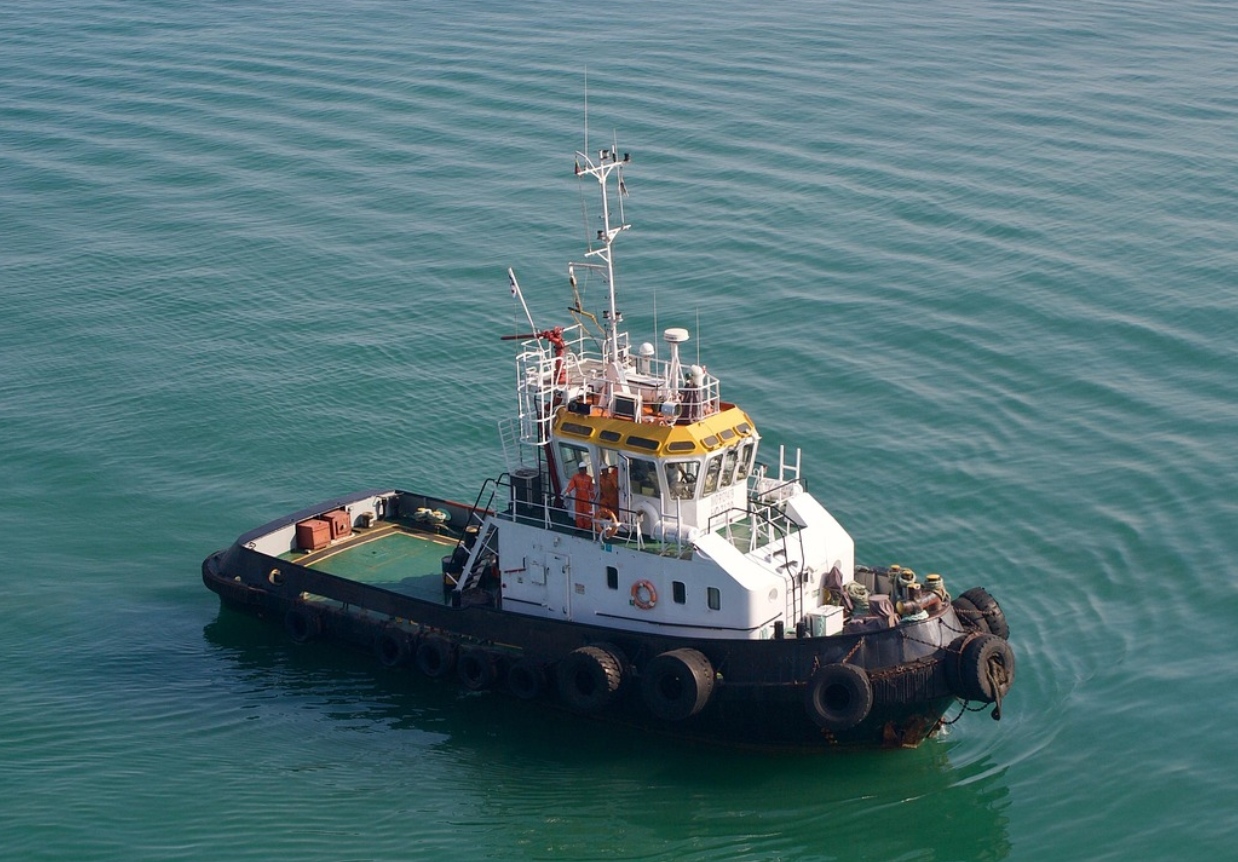
Instead of sticking rigidly to planned speeds, captains can save significant fuel by adjusting pace in real time based on currents, weather, and port schedules. Just a few knots slower can slash consumption without disrupting the voyage, and modern routing software makes it simple to catch favorable tides while avoiding heavy weather.
A clean hull and polished propeller aren't just cosmetic—they directly cut through water resistance. Scheduling regular underwater inspections and gentle grooming between dry docks keeps fouling at bay, while even small dents or roughness on blades can silently burn extra fuel every day. Pairing this with smooth, freshly applied antifouling paint extends the gains.
Beyond the basics, onboard systems like waste heat recovery, variable frequency drives on pumps, and LED lighting pay back quickly. Simple habit changes also matter: shutting down unused machinery, optimizing trim, and training the crew to spot energy leaks turn efficiency into a daily reflex rather than a one-off project.
Smart Systems Integration for Precision Maneuvering
Precision maneuvering relies on the seamless orchestration of embedded intelligence, where sensor arrays, real-time processing units, and actuator controls work in tight coordination. By integrating data from lidar, cameras, and inertial measurement units, smart systems can maintain centimeter-level accuracy even in dynamic environments. This convergence of hardware and software reduces latency and allows a craft to interpret its surroundings instantaneously, making split-second adjustments that no human operator could consistently achieve.
At the heart of these integrated platforms lie adaptive algorithms that learn from each movement. Rather than following rigid programming, they use model-predictive control and reinforcement learning to anticipate disturbances like wind gusts or uneven terrain. For example, an autonomous forklift in a busy warehouse constantly recalculates its trajectory based on live inventory positions and worker movements, threading through narrow aisles without pre-mapped routes. The fusion of perception and control on a single architecture eliminates data bottlenecks and creates a feedback loop that sharpens performance over time.
Applications span from drone swarms performing synchronized aerial displays to surgical robots compensating for patient respiration. In each case, the edge lies not just in individual components but in how deeply they are woven together. Advanced driver-assistance systems now overlay multiple sensor inputs to execute evasive lane changes with grace, while subsea remotely operated vehicles maintain stability against currents through continuous onboard adjustments. This holistic approach turns raw data into fluid motion, pushing the boundary of what autonomous systems can accomplish in tight quarters.
How Maintenance Choices Influence Long-Run Costs
When equipment is kept in prime condition through timely interventions, the total expenditure over years tends to be far lower than a pattern of deferred care. Minor adjustments or part replacements, executed before a breakdown, often prevent cascading damage that can multiply repair bills many times over. This proactive posture reduces sudden outages, preserving not just the machine but the flow of work tied to it.
The selection of service intervals, the grade of replacement parts, and the expertise of technicians all leave a durable financial footprint. Opting for lower-quality components may cut immediate outlay, yet they frequently wear faster and stress adjacent systems. In contrast, precision-aligned upgrades and thorough inspections extend the asset's productive horizon, delaying the steep climb of replacement capital.
Even less visible decisions, like the timing of fluid changes or software updates, reshape the long-run cost curve. Small, consistent investments in calibration and cleanliness keep thermal efficiency and mechanical slack within tight limits, avoiding the invisible drains of wasted energy and accelerated degradation. Over a decade, these accumulated choices separate facilities that steadily compound savings from those perpetually chasing repeated crises.
Designing Flexibility to Meet Future Regulations
Regulations rarely stand still, and companies that bolt rigid systems into place often find themselves scrambling when rules shift. Instead of treating compliance as a fixed checklist, smart teams build adaptive frameworks that can bend without breaking. This means choosing modular architectures, designing processes with adjustable parameters, and keeping interfaces open enough to accommodate new data streams. It’s less about predicting the next rule and more about cultivating an operational rhythm that treats regulatory change as a normal part of business.
True flexibility lives in the details. For instance, a reporting pipeline might use dynamic templates that let compliance managers add new fields without developer time, or a data retention system might rely on policy-driven automation rather than hard-coded schedules. These choices reduce the lag between a regulation’s announcement and its implementation, giving organizations room to test interpretations and refine approaches before mandates kick in. The goal isn’t to avoid regulation—it’s to absorb it gracefully.
Ultimately, designing for flexibility pays off in unexpected areas. When a team internalizes the habit of building for change, they start seeing opportunities embedded in constraints—spotting ways to turn a new reporting requirement into a client-facing transparency feature, or repurposing compliance data for internal analytics that improve product decisions. This mindset shifts regulation from a barrier into a catalyst for smarter design choices that stand the test of time.
Innovative Balancing of Power and Fuel Economy
Finding the sweet spot between thrilling performance and responsible fuel consumption has long been a challenge for automotive engineers. Instead of simply adding more horsepower or stripping away efficiency, modern advancements focus on intelligent systems that adapt in real time. Variable valve timing, cylinder deactivation, and lightweight materials work in concert to deliver exactly what the driver demands—whether that’s seamless acceleration for merging onto a highway or relaxed cruising that sips fuel. This dynamic calibration means the vehicle learns from your driving style, optimizing every drop of fuel without ever feeling compromised.
At the heart of this equilibrium lies electrification, but not always in the way you’d expect. Mild-hybrid and plug-in hybrid systems employ electric motors not merely as a substitute for internal combustion, but as a partner. They fill in torque gaps during low-speed driving, allow the engine to remain off when coasting or idling, and recover energy normally lost during braking. The result is a powertrain that feels robust and immediate, yet returns fuel economy figures that were unimaginable a decade ago. It’s a seamless integration where technology fades into the background, leaving only the sensation of effortless capability.
Beyond the hardware, software-driven intelligence has become the unsung hero. Predictive energy management uses navigation data to anticipate hills, traffic, and curves, adjusting the power delivery strategy in advance. This proactive approach means the car is constantly planning several minutes ahead, choosing when to charge the battery, when to utilize electric drive, and when to unleash full combined output. The driver simply experiences a vehicle that feels perfectly in tune with the road, unaware of the countless decisions being made to balance excitement with efficiency.
FAQ
It concentrates on helping fleet operators understand how original design manufacturer tugboats can boost operational efficiency through smart design choices and tailored specifications.
By customizing hull forms and propulsion systems at the design stage, ODM approaches allow vessels to match specific port conditions, often leading to substantial fuel savings over standardized models.
The big difference is collaboration: you work directly with the builder to define everything from towing power to deck layout, resulting in a vessel that fits your exact workflow rather than adapting to a generic template.
Definitely. It includes sections on ergonomic deck design and simplified control systems, which help crews get up to speed faster and reduce the risk of operational errors during hectic harbour moves.
Yes, it offers practical advice on scheduling maintenance around port contracts, with emphasis on modular component replacement to minimize downtime without sacrificing reliability.
It outlines emission-control options like hybrid propulsion retrofits and discusses how to align your tug's specs with IMO Tier III standards without compromising bollard pull.
Rather than hypothetical case studies, it includes summarized feedback from senior pilots and engineers who transitioned to ODM vessels, noting concrete improvements in turnaround time and fuel economy.
Conclusion
ODM’s approach to tugboat design goes beyond standard templates, integrating custom hull forms and propulsion layouts that directly enhance performance in specific operational contexts. By rethinking the balance between power and fuel economy, engineers can tailor vessels for harbor, escort, or offshore work without sacrificing efficiency. Practical measures like optimizing onboard energy usage—through smart load management and waste heat recovery—further shrink fuel consumption while extending range. These choices are not just about immediate gains; they also shape long-run costs, where maintenance-friendly configurations and durable materials reduce downtime and repair bills over the vessel’s life.
Smart systems integration plays a pivotal role in achieving precision maneuvering, merging advanced controls with sensor feedback to let tugs respond instantly in tight situations. This technological backbone also provides the flexibility needed to meet evolving environmental regulations, allowing retrofits or upgrades without major rebuilds. ODM’s design philosophy treats compliance as an opportunity rather than an obstacle, baking adaptability into everything from engine room layouts to emission controls. The result is a fleet that stays ahead of regulatory curves while delivering reliable, cost-effective performance—a blend of innovation and practicality that defines modern marine efficiency.
Contact Us
Contact Person: Benny Hu
Email: [email protected]
Tel/WhatsApp: +8618354225697
Website: https://www.allheartmarine.com/