
LCD Display Innovations: Exploring Monochrome Screens in China's Tech Market
2026-03-24
As China's tech market continues to evolve at a breakneck pace, one innovation stands out for its enduring relevance: the monochrome LCD screen. In an era dominated by vibrant, high-resolution displays, these humble screens are experiencing a quiet renaissance, powering everything from smart devices to industrial applications with remarkable efficiency and clarity. At Jingda-Display, we're at the forefront of this movement, pushing the boundaries of monochrome technology to meet the unique demands of today's market. This blog dives into the fascinating world of LCD display innovations, exploring how monochrome screens are not just surviving but thriving in China's competitive landscape. Join us as we uncover the hidden potential behind these sleek, energy-saving marvels and why they might just be the unsung heroes of modern tech.
The Rise of Monochrome LCDs in China's Tech Ecosystem
In recent years, monochrome LCDs have carved out a significant niche within China's rapidly expanding tech landscape, driven by a blend of affordability and reliability. Unlike their color counterparts, these displays thrive in applications where cost-efficiency and energy conservation are paramount, such as industrial controls, medical devices, and smart home appliances. Chinese manufacturers, leveraging local supply chains and technological advancements, have ramped up production, making these screens a staple in both domestic and export markets. This surge isn't just about meeting demand; it reflects a strategic shift towards durable, low-power solutions in an era of increasing digital integration.
The adoption of monochrome LCDs is further fueled by China's push for innovation in sectors like electric vehicles and IoT, where simplicity and long battery life are key. Companies are designing custom displays that integrate seamlessly with new technologies, offering high contrast and readability in various lighting conditions. This versatility has sparked collaborations between screen producers and tech startups, leading to novel applications that were previously overlooked, such as wearable health trackers and agricultural sensors. As these partnerships deepen, monochrome screens are becoming more than just basic components—they're enablers of smarter, more efficient systems across the board.
Looking ahead, the trend shows no signs of slowing down, with forecasts predicting continued growth as China invests in 5G and AI infrastructure. Monochrome LCDs are poised to play a crucial role in edge computing devices and other low-bandwidth environments, where their minimal power draw and robust performance offer distinct advantages. This evolution underscores a broader movement in China's tech ecosystem: towards pragmatic, scalable solutions that balance innovation with real-world utility, ensuring these displays remain relevant in an increasingly complex digital world.
Cost-Effective Innovations Driving Local Manufacturing
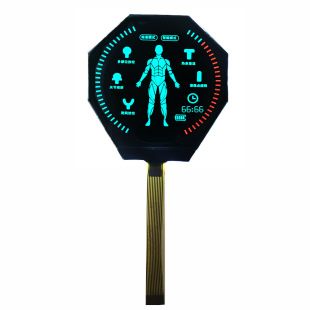
Local manufacturing has undergone a remarkable transformation in recent years, largely fueled by a wave of cost-effective innovations that are rewriting the rules of production. From small workshops to mid-sized factories, businesses are embracing technologies like 3D printing and modular automation, which drastically reduce upfront costs compared to traditional setups. These tools allow for rapid prototyping and flexible small-batch runs, enabling local producers to respond swiftly to market demands without massive capital outlays. Moreover, the integration of open-source software and affordable sensors is empowering manufacturers to monitor operations in real-time, optimizing efficiency and minimizing waste on a shoestring budget.
Beyond hardware, innovative business models are playing a pivotal role in cutting expenses. Shared manufacturing spaces and equipment leasing programs are becoming more common, providing smaller enterprises access to high-end machinery they couldn't otherwise afford. This collaborative approach not only lowers individual investment but fosters a community where knowledge and resources are pooled, leading to faster problem-solving and skill development. Additionally, advancements in local supply chain digitization are trimming logistical costs, with platforms connecting nearby suppliers and buyers to shorten delivery times and reduce transportation overhead.
Sustainability is another area where cost-saving innovations shine, driving local manufacturing forward. Techniques like material recycling and energy-efficient processes are proving to be both eco-friendly and economical, reducing raw material expenses and utility bills. For instance, some local factories are adopting solar panels or waste-to-energy systems, which offer long-term savings while enhancing their green credentials. By combining these practical innovations with a focus on lean management, local manufacturers are not just surviving but thriving, offering competitive products that challenge larger, centralized production hubs in terms of both price and quality.
Niche Applications: From Wearables to Industrial Displays
Niche applications in display technology span a fascinating spectrum, from the sleek sensors on fitness trackers that track heart rates in real-time to the rugged, high-brightness panels guiding heavy machinery on construction sites. In wearables, the focus isn't on size, but integration, enabling devices like smartwatches to offer glanceable notifications without draining batteries or overwhelming users, while augmented reality glasses push boundaries with transparent OLEDs that overlay digital data onto the real world.
Shift gears to industrial displays, where durability trumps design as screens withstand harsh conditions in factories or outdoor environments. Think of control panels on assembly lines that must be readable in dim light or even underwater in maritime settings, using specialized coatings and robust materials to prevent glare or damage. These aren't just screens; they're critical interfaces for safety and efficiency, with innovations like flexible e-paper emerging for logistics tracking and maintenance logs.
Beyond the obvious gadgets, niche applications thrive in unexpected areas, such as medical monitors that display vital signs with ultra-low latency or automotive heads-up projections that keep drivers' eyes on the road. The beauty lies in how these displays are tailored to specific needs, driving innovations in energy efficiency, interactivity, and miniaturization across sectors, proving that a one-size-fits-all approach fails in a world demanding precision and adaptability.
Sustainability and Energy Efficiency Gains
As global environmental challenges intensify, sustainability and energy efficiency have become critical focal points for industries worldwide. These concepts aren't just buzzwords; they represent fundamental shifts in how businesses operate, driven by the need to reduce carbon footprints and conserve resources. By integrating sustainable practices, companies can not only mitigate their impact on the planet but also unlock significant economic benefits, such as lower operational costs and enhanced brand reputation. This dual focus on environmental stewardship and financial performance makes sustainability a cornerstone of modern corporate strategy.
Energy efficiency gains are at the heart of this transformation, offering tangible reductions in energy consumption without sacrificing productivity. For instance, advancements in smart building technologies allow real-time monitoring and optimization of HVAC systems, lighting, and other utilities, leading to substantial savings. In manufacturing, the adoption of energy-efficient machinery and processes can slash energy use by up to 30%, demonstrating how innovation is driving both ecological and economic wins. These improvements often pay for themselves over time, making them a smart investment for forward-thinking organizations.
Looking ahead, the convergence of sustainability and energy efficiency is shaping industries from transportation to IT, with electric vehicles and energy-efficient data centers becoming mainstream. By prioritizing these gains, we're not just addressing immediate concerns like climate change but also building a resilient foundation for future generations. Embracing these principles encourages a culture of continuous improvement, where every kilowatt-hour saved contributes to a healthier planet and a more sustainable economy.
Customization Trends in Chinese Consumer Electronics
In recent years, Chinese consumer electronics have shifted towards a "you design it, we build it" philosophy, driven by a tech-savvy population demanding more than just off-the-shelf gadgets. From smartphones with personalized color schemes and engraved messages to modular laptops that allow users to swap components, customization is no longer a luxury but a baseline expectation. This trend reflects a broader cultural movement in China towards individual expression, where consumers seek products that mirror their unique identities and lifestyles, moving beyond mass-produced items to create something truly their own.
Brands like Xiaomi and Huawei are leading the charge by offering extensive customization options through online platforms. Customers can tailor everything from hardware specifications, such as RAM and storage, to aesthetic elements like custom wallpapers and case designs. These platforms often integrate AI-driven tools that suggest personalized combinations based on user preferences, making the process intuitive and engaging. This approach not only enhances customer loyalty but also taps into the growing e-commerce ecosystem in China, where interactive shopping experiences are key to standing out in a crowded market.
Beyond hardware, software personalization is becoming a major focus, with Chinese electronics increasingly featuring adaptive interfaces that learn from user behavior. This includes smart home devices that adjust settings automatically and wearables that evolve their fitness tracking based on individual goals. As technology advances, we're seeing a rise in ecosystem-level customization, where interconnected devices sync seamlessly to provide a cohesive, tailored user journey. This holistic approach sets Chinese brands apart, offering a depth of personalization that resonates deeply with today's discerning consumers.
Future Outlook: Bridging Monochrome and Color Technologies
The convergence of monochrome and color technologies is poised to revolutionize industries from surveillance to medical imaging, creating hybrid systems that leverage the strengths of each approach. By combining the high sensitivity and low-light performance of monochrome sensors with the detailed color information crucial for identification and analysis, these integrated solutions offer unprecedented versatility. For instance, in autonomous vehicles, monochrome cameras excel at detecting obstacles in challenging conditions, while color sensors provide essential context for interpreting traffic signals and road signs, making the fusion of both technologies critical for safety and efficiency.
Looking ahead, innovations in computational photography and AI-driven processing are expected to further blur the lines between these technologies, enabling real-time adaptive switching or simultaneous capture modes. This integration isn't just about hardware upgrades but involves sophisticated software algorithms that can extract richer data from combined inputs, enhancing applications like agricultural monitoring or industrial inspection. As costs decrease and processing power increases, more niche fields will adopt these hybrid systems, leading to customized solutions tailored to specific needs rather than one-size-fits-all approaches.
Ultimately, the future lies in seamless interoperability, where monochrome and color technologies complement rather than compete, fostering a new era of smart imaging. This shift encourages collaboration across disciplines, from material science improving sensor designs to data scientists refining analysis tools, ensuring that technological bridges drive practical benefits and open up unexplored possibilities in both consumer and professional markets.
FAQ
Monochrome screens in China often incorporate energy-efficient designs tailored to IoT devices, with extended temperature ranges for harsh industrial environments, setting them apart through specialized durability and cost-effectiveness not commonly emphasized elsewhere.
Beyond basic displays, they're now used in smart home sensors, wearables like fitness trackers with minimalist interfaces, and automotive dashboards, focusing on low-power consumption and high readability in various lighting conditions.
Advancements include ultra-thin flexible displays for foldable devices, improved contrast ratios for better visibility, and integrations with touch-sensitive layers, supporting applications in healthcare monitors and ruggedized tablets.
Healthcare, manufacturing, and logistics lead due to their need for reliable, low-maintenance screens in medical devices, factory control panels, and handheld scanners, where color isn't essential and longevity is prioritized.
Designs often feature enhanced resistance to humidity, dust, and extreme temperatures, aligning with China's diverse climates and industrial demands, ensuring performance in outdoor and challenging settings.
Trends include smarter connectivity with IoT ecosystems, hybrid displays combining monochrome and color elements for specific functions, and further miniaturization for compact devices, driven by ongoing R&D in materials science.
Conclusion
In China's dynamic tech market, monochrome LCDs have experienced a remarkable rise within the ecosystem, driven by cost-effective innovations that bolster local manufacturing. These displays, often overshadowed by color alternatives, offer unique advantages such as lower production costs and simplified supply chains, enabling Chinese manufacturers to compete globally. From wearables to industrial applications, niche uses highlight their versatility, where durability and clarity in varied environments make them indispensable. This trend is further amplified by a growing emphasis on sustainability, as monochrome screens consume less energy, aligning with China's green tech initiatives. Customization in consumer electronics allows for tailored solutions, enhancing user experiences while keeping expenses minimal. Looking ahead, the ongoing integration of monochrome and color technologies promises a hybrid future, where efficiency meets advanced functionality, potentially redefining display standards. Overall, these innovations showcase China's strategic focus on practical, adaptable technologies that address both economic and environmental needs.
Contact Us
Contact Person: Vincent
Email: [email protected]
Tel/WhatsApp: 86 135 5485 1379
Website: https://www.jda-display.com/