
How to Choose the Perfect Superman Costume: A Complete Guide
2026-06-04
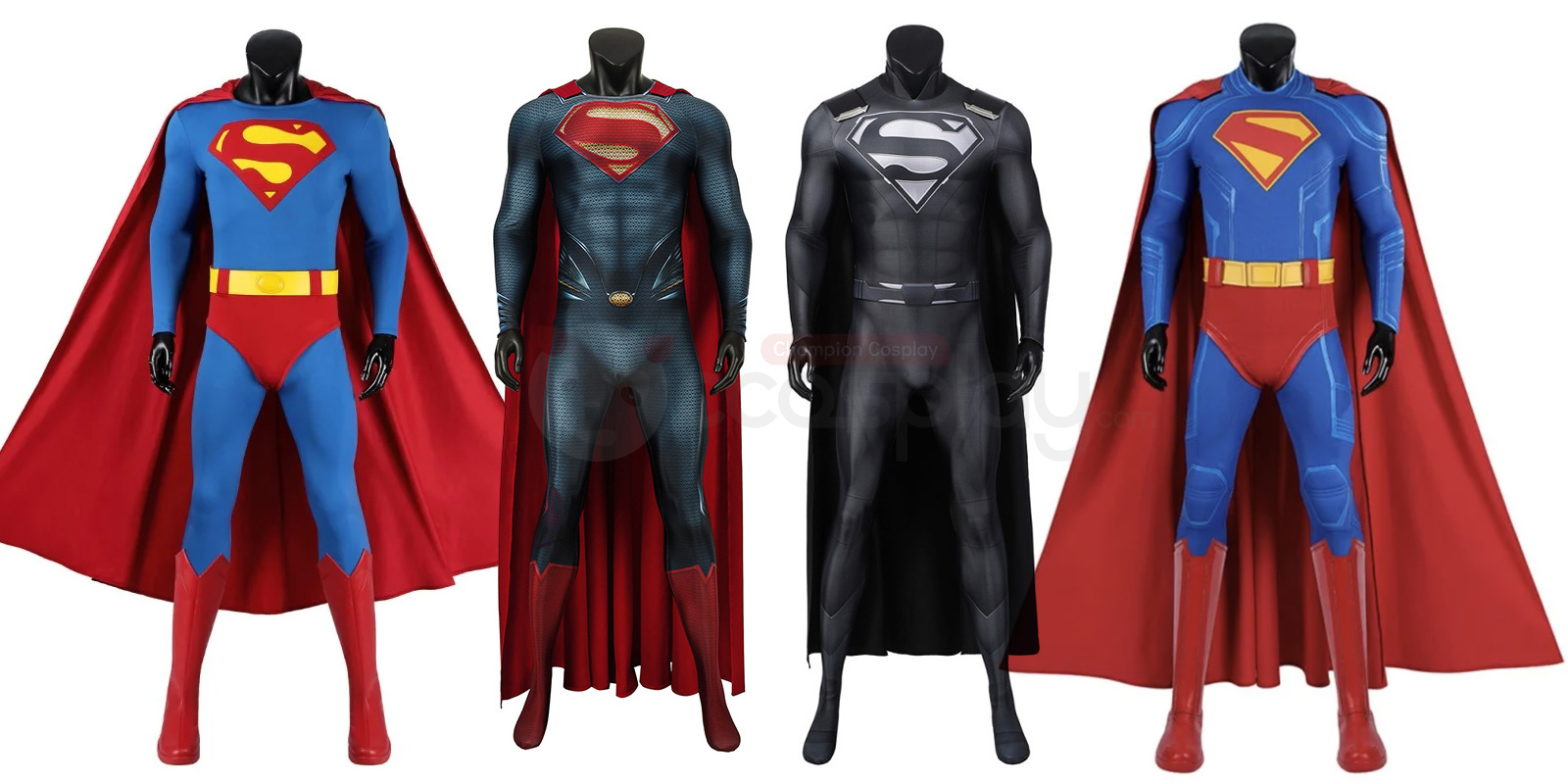
Finding the right Superman costume can be overwhelming with so many variations out there—from classic comic book looks to modern cinematic suits. Whether you're aiming for a flawless Kal-El impression or a creative twist, the details matter. At CCosplay, we understand that every fan deserves a costume that feels authentic and fits like a glove. This guide walks you through the essentials, helping you pick the perfect style, material, and accessories to bring the Man of Steel to life.
Decoding the Emblem: More Than Just an 'S'
At first glance, that stylized ‘S’ might seem like a simple initial—a bold letter stamped on a chest or carved into stone. But look closer. The curves aren’t mere strokes; they’re a narrative compressed into a symbol. That emblem carries the weight of an entire ethos, a silent promise to those who recognize it. It’s a vessel for meaning, handed down through generations, absorbing new layers of significance with each era.
The power of such a mark lies in its quiet ambiguity. It belongs to no single language, yet speaks universally. To some, it echoes resilience—a shield against the ordinary. To others, it whispers of rebellion, of standing apart. The ‘S’ transcends typography; it becomes a mirror reflecting the ideals we project onto it. And that’s the trick—it’s never just an ‘S.’ It’s a story wearing a letter’s skin.
The Cape Conundrum: Length, Material, and How to Avoid Tripping
When it comes to capes, length is far more than a style statement—it’s a practical minefield. A cape that grazes the floor might look dramatic in a editorial shoot, but in real life, it’s an open invitation to stumble, snag, or even face-plant on uneven pavement. The sweet spot hits somewhere between mid-calf and just above the ankle, keeping the fabric safely away from your feet. If you’re petite, err on the shorter side to avoid being overwhelmed; taller frames can pull off a longer sweep, as long as the hem clears the ground by at least an inch when you’re standing still. Test it by walking briskly in the shoes you plan to wear—if the cape bobbles against your ankles or you find yourself instinctively clutching it, it’s too long. A gentle taper toward the back can also reduce the risk of stepping on it, while a slight train effect, kept to a minimum, adds flair without danger.
Material is the stealth factor that can turn a cape into a liability. Stiff, heavy fabrics like thick wool melton or rigid brocade hold their shape beautifully but resist movement, sticking out and pooling awkwardly around your feet. Flowing, lightweight materials—think silk charmeuse, fluid crepes, or fine-gauge cashmere blends—tend to drape closer to the body, minimizing the accidental foot trap. However, there’s a caveat: too much slipperiness can cause the cape to slide right off your shoulders if it isn’t anchored properly. Unlined capes made from fabrics with a bit of heft and natural grip, such as brushed cotton or a soft wool-cotton blend, often perform best, offering enough body to look polished while moving with you rather than against you. Avoid anything prone to static cling unless you enjoy constantly adjusting where the cape sits.
Mastering the walk itself is half the battle. Instead of your usual stride, adopt a slightly shorter, more deliberate step, letting the cape swing naturally without you having to kick it forward. On stairs, gather a handful of fabric at your side—casually, as if resting your hand in a pocket—to lift the hem clear. This looks intentional and keeps you from stepping on the edge. If your cape comes with slits or arm openings, use them; slipping your arms through not only changes the silhouette but also pulls the fabric back from your feet. For capes without closures, consider sewing in subtle weights along the hemline to help it hang steady and resist windy flapping that can whip it around your legs. The goal is to move like you’ve been wearing capes all your life, with a quiet confidence that comes from knowing the garment can’t betray you.
Tights or Trunks? Tackling the Most Controversial Costume Choice
For decades, the superhero world has been locked in a silent war over a single sartorial question: tights or trunks? The classic look—think Superman’s red briefs or Batman’s dark shorts over full-body spandex—was a holdover from circus strongmen and early comic artists who needed to break up the anatomy. It gave heroes an almost mythological silhouette, something ancient and larger than life. But as comics grew darker and movies chased a grittier realism, those trunks started to feel like a relic from a more innocent age. Designers quietly erased them, smoothing everyone into sleek, head-to-toe body armor, and fans lost their collective minds.
The great trunks debate isn’t really about fashion; it’s about identity. When a hero steps out in trunks, they’re nodding to decades of nostalgia, to the preposterous joy of a man who can fly and still worries about his underwear. Without them, the costume becomes tactical, almost militaristic—no room for whimsy. That’s why every time a new adaptation strips away the shorts, a vocal part of the audience feels like something essential has been sacrificed on the altar of modernity. It’s not just a color block; it’s a declaration of whether this hero belongs in a realm of myth or a world of tactical gear.
Maybe the real controversy is that we can’t decide what a superhero should be anymore. Trunks represent a hero who doesn’t take himself too seriously, a hint of theatricality in a genre that’s often suffocated by its own self-importance. Tights-only designs suggest a figure so evolved, so beyond human frailty, that even a waist seam would trap him in the past. Neither side is wrong, and perhaps that’s the point: the battle over a few inches of fabric reveals our deeper hunger for heroes who can be both invincible and absurd, grounded yet utterly impossible.
Fabric Matters: Balancing Breathability and Superhero Aesthetics
When you think of superhero suits, the first thing that comes to mind is probably the bold colors, the intricate patterns, or the way they hug every muscle just right. But the real unsung hero is the fabric itself. A costume that looks spectacular but leaves you sweating after five minutes of wear is a no-go. Achieving that balance between breathability and aesthetic appeal is the holy grail of cosplay and performance wear. Modern fabrics like moisture-wicking blends, lightweight spandex with mesh panels, and even bamboo-derived textiles are game-changers. They allow air to flow where it’s needed most while keeping that flawless, second-skin look intact. The key is in the weave and weight—too heavy and you overheat; too light and you lose structure and opacity. Getting it just right takes trial and error, but once you nail it, you’ll feel as powerful as you look.
Beyond basic comfort, the right fabric elevates the entire visual impact. Superhero aesthetics rely on how light plays off the surface—matte areas can absorb shadow, while subtle sheen adds dimension and muscle definition without being glaringly obvious. Some fabrics are engineered with micro-perforations that disappear under stage lights but work tirelessly to vent heat. Others have a compressive quality that not only smooths out lines but also enhances posture, making you carry yourself like the character. The trick is to avoid anything that looks cheap or costume-y; instead, opt for materials that mimic the high-tech textiles used in athletic gear or even dancewear. They’re designed to perform under pressure, stretch without sagging, and resist pilling after repeated use. When the fabric performs, so do you.
Practicality doesn’t have to mean compromising on the fantasy. In fact, the best superhero outfits integrate breathability in ways that are practically invisible. Strategic venting can be tucked into the design lines—underarm gussets, back panels, or along the inner seams—so the overall silhouette remains sleek. Linings can be chosen not just for modesty but for moisture control, pulling sweat away from the body before it ever touches the outer layer. Even small details like choosing a matte-finish thread for topstitching can reduce friction and increase airflow. When you’re wearing it for a convention, a photoshoot, or just channeling your inner hero around the house, you’ll appreciate the thought that went into every fiber. Because at the end of the day, a suit that lets you breathe is a suit that lets you be the hero for as long as the adventure lasts.
Custom Sizing: Why Off-the-Rack Can't Save the Day
There's a certain frustration that comes with finding what seems like the perfect piece of clothing, only to have it pull at the shoulders or pool awkwardly around your ankles. Off-the-rack sizing is built on a set of averaged measurements that rarely reflect real body proportions. Manufacturers rely on a narrow range of standard sizes, which means anyone whose shape falls outside that range is left making compromises. The result is often a garment that almost fits but never truly feels like it belongs to you.
This mismatch isn't just about aesthetics—it affects how you move and carry yourself through the day. Sleeves that ride up whenever you reach for something or waistbands that dig in when you sit down aren't just minor annoyances; they're constant reminders that the clothing was designed for a hypothetical body, not yours. Custom sizing flips that script by starting with your actual measurements and building a garment around them. The difference extends beyond mere comfort, turning clothing into something that works with your body rather than against it.
Beyond fit, there's also the issue of personal style that gets lost in standard sizing. Maybe you prefer a longer jacket length or a higher rise on your trousers—details that off-the-rack options rarely accommodate. Custom sizing doesn't just correct fit problems; it opens up the possibility of choice, letting you decide exactly how a piece should fall, drape, and move. It's a shift away from settling for what's available and toward wearing something genuinely made for you.
Accessories that Make the Man of Steel: Boots, Belts, and Beyond
Every iconic look leans on the details that often go unnoticed at first glance. For a man channeling unyielding strength, it’s the boots with worn-in leather and solid soles that anchor his stance, hinting at miles walked and battles faced. A belt isn’t just a functional strip—it’s a piece of forged character, whether it’s a heavy brass buckle or tooled leather that tells its own story. These elements don’t scream for attention, but they whisper of durability and a life lived without compromise.
Beyond the obvious, it’s the subtle additions that complete the armor. A rugged watch with a scratched face, a simple metal cuff, or a folded bandana peeking from a pocket—each carries weight. They aren’t about fashion trends; they’re about utility turned personal talisman. Together, these accessories build a silent language of resilience, suggesting a man who shapes his environment rather than being shaped by it.
FAQ
Decide which Superman era you want to channel—classic Christopher Reeve, modern Henry Cavill, or a comic-accurate look. Your choice will determine details like the shade of blue, the shield design, and even the cape length.
It makes a huge difference. Look for materials like spandex or a polyester blend that have a bit of shine to mimic the movie suits. Avoid anything too cheap or thin—it'll look more like pajamas than a costume and won't hold up after a long night.
Don't rely on generic sizes alone. Take your chest, waist, hips, and inseam measurements, and compare them carefully to the brand's size chart. If you're between sizes, size up and consider minor alterations. For a truly heroic silhouette, muscle padding in the torso can also help.
Absolutely. A proper cape with wire support for posing, sturdy boots or boot covers, and a quality belt can turn a basic outfit into a standout look. Pay attention to the S shield too—a raised or metallic emblem looks way better than a printed one.
Convenience is key. Opt for a jumpsuit with an easy zipper or snaps for bathroom breaks. Avoid stiff capes that can get caught or cause tripping. Soft, breathable fabrics will keep them from overheating during playtime or trick-or-treating.
Hand wash cold and air dry whenever possible. If you must machine wash, turn it inside out and use a gentle cycle. Steam out wrinkles instead of ironing directly on the fabric, especially around any printed or metallic details.
Yes, you can. DIY parts like making your own cape with some red fabric or upgrading a basic costume with better accessories can save money. Also, check online marketplaces for barely-used costumes—many people wear them once and sell them.
Skipping the details is the biggest one. A wrinkled cape, a misaligned belt, or wearing regular sneakers instead of red boots instantly lowers the impact. Also, wearing the wrong shade of blue can throw off the whole look—aim for a true Superman blue, not navy or royal.
Conclusion
Choosing the perfect Superman costume goes beyond simply picking a blue suit with a red cape. The emblem on the chest, far from being just a stylized 'S', carries layers of meaning that vary across comics and films—deciding between the classic yellow-background diamond or a more modern, textured design can subtly shift the entire look. Then, the cape demands attention: getting the length and material right is crucial not only for dramatic flair but for practical movement; too long and you'll stumble, too stiff and it won't flow as you stride. The age-old debate of tights versus trunks also comes into play—trunks offer a nostalgic, comic-accurate silhouette while tights provide a sleeker, contemporary feel that many modern adaptations favor.
Fabric choice is equally important because you need something that breathes during long convention days yet still holds that superhero sheen—moisture-wicking blends with a bit of stretch often work best. Off-the-rack costumes rarely deliver a true heroic fit, so custom sizing that accounts for your unique measurements ensures the suit hugs in all the right places without restricting motion. Finally, don't overlook the accessories: sturdy boots with good traction, a belt that doesn't dig in, and subtle additions like gauntlets or a well-placed collar can elevate the entire ensemble, transforming a simple outfit into a convincing Man of Steel appearance. With these details aligned, you'll embody Superman with both comfort and authenticity.
Contact Us
Contact Person: Sunny
Email: [email protected]
Tel/WhatsApp: +86-180-1086-8579
Website: https://www.ccosplay.com