Hot-Dip Galvanized Round Pipes: Top Factory Insights for Quality and Durability
2026-03-08
When it comes to industrial applications requiring unmatched strength and corrosion resistance, hot-dip galvanized round pipes stand out as a cornerstone material. At the heart of this world lies Shunchen Steel, a leading innovator dedicated to pushing the boundaries of quality and durability in steel manufacturing. In this blog, we'll dive deep into factory insights that reveal why these pipes excel in harsh environments, while exploring how Shunchen Steel sets the standard for excellence. From raw material selection to advanced galvanizing techniques, we uncover the secrets behind their long-lasting performance—curious about what makes them truly resilient? Let's get started.
Key Factors Influencing Hot-Dip Galvanized Round Pipe Quality
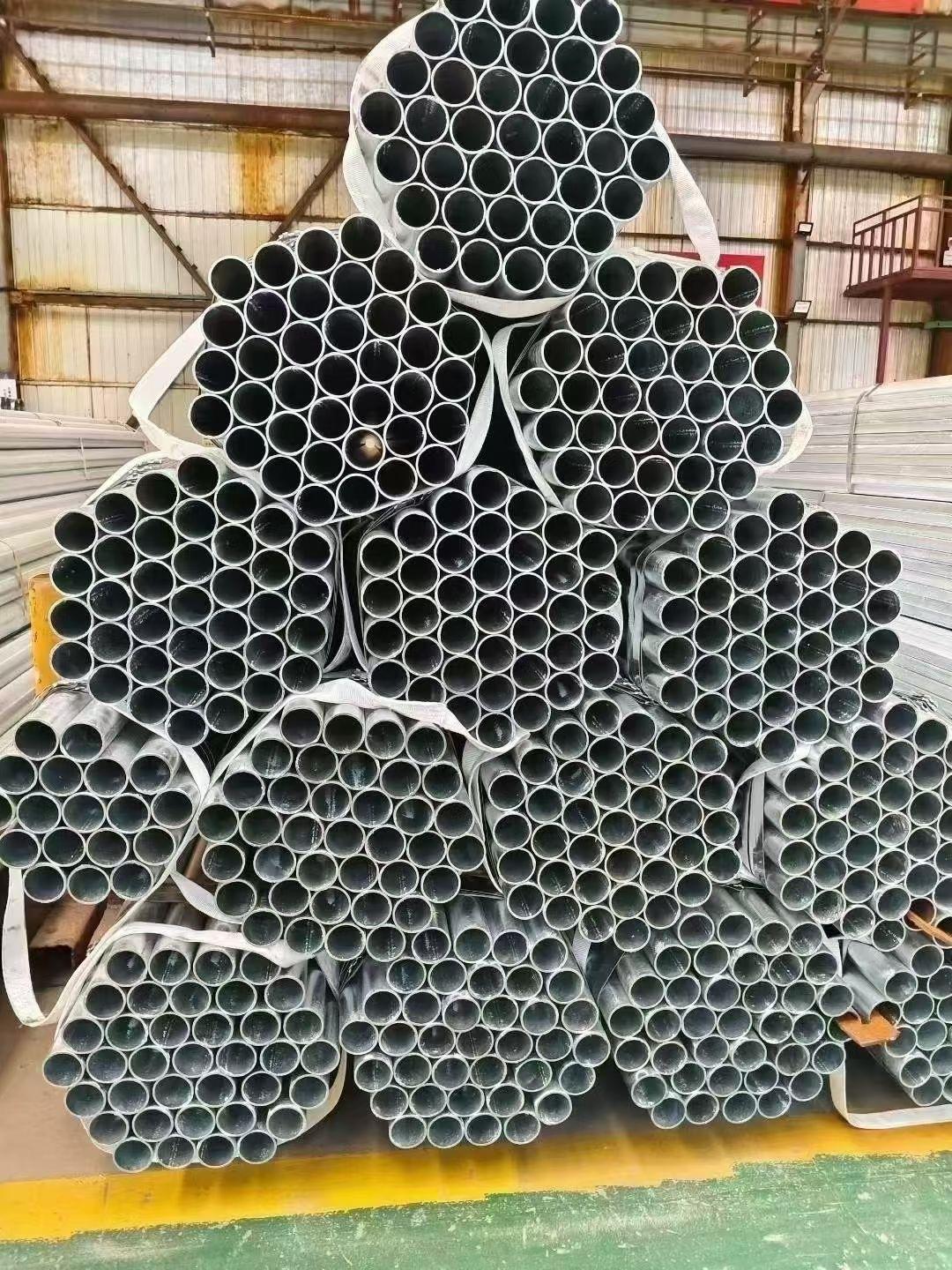
The quality of hot-dip galvanized round pipe hinges on several critical factors, with surface preparation being paramount. Before galvanizing, the steel must be thoroughly cleaned to remove mill scale, rust, and contaminants through processes like pickling and fluxing. Inadequate cleaning can lead to poor adhesion of the zinc coating, resulting in flaking or uneven coverage that compromises corrosion resistance. For instance, if residues linger, the zinc may not bond properly, creating weak spots prone to early rusting, especially in harsh environments like coastal areas or industrial settings.
Another key influence is bath composition and temperature during the galvanizing process. The molten zinc bath must maintain optimal levels of elements like aluminum or lead to control coating thickness and uniformity. Temperature variations can affect the formation of the zinc-iron alloy layers; too high may cause excessive spangle or brittleness, while too low can result in a thin, ineffective coating. Skilled operators monitor these parameters closely to ensure a durable, smooth finish that meets standards like ASTM A53 or EN 10240, often adjusting based on pipe dimensions or steel grade to avoid common pitfalls like dross entrapment.
Post-galvanizing handling and inspection also play a vital role. After dipping, pipes undergo cooling and quenching, where rapid cooling can induce stress or cracking if not managed properly. Visual checks and non-destructive testing, such as thickness gauging, verify coating integrity and adherence. For example, a well-executed process yields a uniform, shiny surface with minimal defects, enhancing longevity in applications from construction frameworks to fencing. Neglecting these steps might lead to hidden issues like porosity or peeling, undermining performance over time and necessitating costly repairs or replacements.
Innovations in Galvanization Processes for Enhanced Durability
Recent advancements in galvanization are reshaping how manufacturers protect metal components from corrosion, moving beyond traditional hot-dip methods. Innovations like electrogalvanizing and pre-galvanizing allow for more precise control over zinc coating thickness, resulting in surfaces that resist wear and tear in harsh environments, from coastal structures to automotive underbodies. These processes not only boost durability by preventing rust but also enhance aesthetic appeal, making them ideal for both industrial and consumer applications.
A key breakthrough is the development of alloy coatings, such as zinc-nickel or zinc-aluminum, which offer superior barrier properties compared to pure zinc. By fine-tuning the composition, engineers can tailor these coatings to withstand extreme temperatures, chemical exposure, and mechanical stress, extending the lifespan of infrastructure like bridges and pipelines. This shift toward customized solutions means that durability is no longer a one-size-fits-all concept, but rather a targeted defense against specific environmental challenges.
Emerging techniques, such as laser galvanizing and automated robotic application, further push the boundaries by enabling uniform coverage on complex geometries and reducing material waste. These methods integrate smart monitoring systems that detect coating defects in real-time, ensuring consistent quality and long-term performance. As industries prioritize sustainability, these innovations also lead to eco-friendlier processes with lower energy consumption and reduced environmental impact, making enhanced durability a byproduct of both technological and ecological progress.
Industry Standards and Certifications for Reliable Pipe Performance
Ensuring that pipes perform reliably under diverse conditions isn't just about material choice; it hinges on adherence to rigorous industry standards and certifications. For instance, standards like ASTM International's specifications for pipe materials, such as ASTM A53 for steel pipes or ASTM D2241 for PVC pipes, provide clear guidelines on dimensions, strength, and testing methods. These aren't mere suggestions but benchmarks that manufacturers must meet to guarantee pipes can withstand pressure, corrosion, and temperature variations in real-world applications, from residential plumbing to industrial fluid transport.
Beyond basic standards, certifications like NSF/ANSI 61 for drinking water system components or API 5L for line pipe used in oil and gas operations add layers of assurance. They involve independent third-party testing to verify that pipes don't leach harmful chemicals or fail under specific operational stresses. This means a certified pipe isn't just built to spec; it's proven safe and durable through exhaustive evaluations, giving engineers and contractors confidence in projects where failure could lead to costly leaks or environmental hazards.
In practice, leveraging these standards and certifications helps avoid common pitfalls like premature degradation or compatibility issues. For example, in a municipal water system, using pipes certified to AWWA C900 for ductile iron ensures longevity and resistance to soil corrosion, while ISO 9001 certification for a manufacturer's quality management system signals consistent production control. By prioritizing such validated solutions, stakeholders can reduce maintenance costs and enhance system reliability, making these benchmarks not just technicalities but critical tools for sustainable infrastructure.
Environmental and Economic Benefits of Using Galvanized Pipes
Galvanized pipes offer a compelling combination of environmental sustainability and financial savings that makes them a smart choice for various construction and industrial applications. From an environmental standpoint, these pipes are highly durable, often lasting 50 years or more without significant maintenance. This longevity reduces the need for frequent replacements, which in turn cuts down on the energy and raw materials required for manufacturing new products. Furthermore, the zinc coating that gives galvanized pipes their corrosion resistance is often sourced from recycled materials, adding to their eco-friendly profile. By minimizing waste and resource consumption over time, these pipes contribute to a smaller carbon footprint compared to alternatives that might degrade faster and need more frequent attention.
On the economic front, the initial investment in galvanized pipes is often offset by substantial long-term savings. While they might cost a bit more upfront than uncoated steel pipes, their extended lifespan means fewer repairs and replacements down the line, which can save significant money on labor and materials. In addition, their inherent resistance to rust and corrosion reduces the risk of costly leaks or failures in critical systems like plumbing or structural supports. This reliability translates to lower maintenance budgets and fewer unexpected expenses, making them a cost-effective solution for projects where durability is key, such as in harsh environments or high-traffic areas.
These benefits aren't just theoretical; they're backed by real-world performance in diverse settings. For instance, in agricultural or coastal regions where moisture and chemicals can accelerate degradation, galvanized pipes have proven their worth by maintaining integrity over decades. Beyond the obvious financial perks, this durability also supports broader sustainability goals by reducing landfill waste and promoting resource efficiency. By choosing galvanized pipes, builders and industries aren't just saving money—they're investing in infrastructure that aligns with modern priorities for both economic prudence and environmental stewardship.
Common Applications and Best Practices for Long-Term Use
Long-term use of any product or system often involves applications that span across various industries, from manufacturing and healthcare to education and personal development. For instance, in industrial settings, equipment designed for durability might be employed in continuous production lines, where reliability is paramount to prevent costly downtime. Similarly, in the digital realm, software platforms that support long-term engagement are commonly used for project management or customer relationship management, helping organizations maintain efficiency over years. By understanding these diverse contexts, users can better leverage the product's capabilities to meet their specific needs over time.
To ensure the product remains effective and safe over extended periods, follow best practices such as regular maintenance and updates. For example, if it's a physical device, schedule routine checks to identify wear and tear early, and keep up with manufacturer guidelines for cleaning or replacement parts. In software applications, regularly update to the latest versions to benefit from security patches and new features, while also backing up data to prevent loss. Adhering to these practices not only extends the product's lifespan but also enhances user experience by minimizing disruptions and ensuring consistent performance.
Beyond basic upkeep, successful long-term use often involves adapting to evolving needs and feedback. Consider customizing settings or integrations to fit changing workflows, and engage with user communities for tips and troubleshooting. For instance, if using a tool for team collaboration, periodically review usage patterns to optimize processes and explore advanced features that might become relevant. This proactive approach helps build a sustainable relationship with the product, making it more integral to daily operations and reducing the likelihood of obsolescence in a fast-paced world.
Future Trends in Manufacturing for Superior Corrosion Resistance
Manufacturing is increasingly shifting towards smart, data-driven approaches to combat corrosion, a persistent challenge across industries like aerospace, automotive, and energy. One key trend is the integration of advanced materials—think high-entropy alloys and self-healing polymers—that inherently resist degradation without heavy reliance on external coatings. This not only enhances durability but also reduces maintenance costs and environmental impact, pushing the boundaries of what's possible in harsh environments.
Another emerging direction is the use of additive manufacturing (3D printing) to create complex, corrosion-resistant components with optimized geometries unachievable through traditional methods. This allows for tailored material compositions and internal structures that minimize weak points, while digital twins and IoT sensors enable real-time monitoring to predict and prevent corrosion before it escalates. Such innovations are transforming how industries design for longevity, moving from reactive fixes to proactive, sustainable solutions.
Collaboration between sectors is also accelerating progress, as seen in cross-industry partnerships that blend nanotechnology, AI-driven material design, and eco-friendly processes. By focusing on holistic lifecycle management and circular economy principles, manufacturers are not just improving resistance but redefining standards for safety and efficiency in a world where corrosion costs billions annually, making these trends critical for future resilience.
FAQ
Hot-dip galvanized round pipes are commonly made from carbon steel or mild steel. The steel is coated with a layer of zinc through a hot-dip process, which involves immersing the pipes in a molten zinc bath at temperatures around 450°C (842°F). This creates a metallurgical bond, ensuring durability and corrosion resistance.
The hot-dip galvanizing process forms a robust zinc coating that acts as a barrier against moisture, chemicals, and environmental elements. It also provides cathodic protection, meaning if the coating is scratched, zinc corrodes preferentially to the steel, preventing rust and extending the pipe's lifespan. This makes them ideal for harsh conditions.
Top factories excel by using advanced quality control measures, such as automated inspection systems and adherence to international standards like ASTM or EN. They often implement strict pre-treatment cleaning, precise temperature controls during galvanizing, and post-processing checks to ensure uniform coating thickness and minimal defects.
Yes, reputable factories offer customization options, including varying diameters, wall thicknesses, and lengths. They can also tailor the zinc coating thickness to suit different environments, such as for industrial use, construction, or marine applications, ensuring optimal performance and cost-efficiency.
Buyers should be cautious of inconsistent coating quality, such as thin spots or drips that can compromise durability. Other red flags include poor surface preparation leading to adhesion problems, and factories that cut corners on material purity or process controls. Checking for certifications and sample inspections can help mitigate these risks.
Environmental factors like humidity, salt exposure (e.g., in coastal areas), and acidic or alkaline conditions can impact performance. However, the zinc coating provides excellent resistance; in severe environments, thicker coatings or additional treatments might be recommended. Proper installation and occasional maintenance can further enhance longevity.
Hot-dip galvanizing offers superior longevity and lower maintenance costs compared to paint or electroplating. The process ensures full coverage, including edges and corners, and the bond is more durable, resisting chipping and peeling. It's also cost-effective over a pipe's lifecycle due to reduced replacement needs.
Conclusion
Hot-dip galvanized round pipes are widely recognized for their superior quality and durability, driven by key factors such as zinc coating thickness, surface preparation, and alloy composition. Innovations in galvanization processes, including advanced dipping techniques and controlled cooling methods, have significantly enhanced corrosion resistance, ensuring these pipes withstand harsh environments. Adherence to industry standards like ASTM and ISO certifications guarantees reliable performance, while environmental benefits from reduced maintenance and economic advantages from long service life make them a sustainable choice. Common applications in construction, agriculture, and infrastructure, coupled with best practices like proper installation and regular inspections, support long-term use.
Future trends point toward manufacturing improvements aimed at superior corrosion resistance, such as nanotechnology coatings and automated production systems, which promise even greater efficiency and durability. These developments align with the growing demand for robust materials in various sectors, reinforcing the role of hot-dip galvanized round pipes in modern engineering. By integrating these insights, factories can produce pipes that not only meet but exceed expectations for quality and longevity, making them a preferred solution for demanding applications worldwide.
Contact Us
Contact Person: Max Zhou
Email: [email protected]
Tel/WhatsApp: +86 15712216177
Website: https://www.shunchensteelmaterial.com/