FRP Handrail: Top 10 High-Performance Options for Your Project
2026-03-10
When it comes to durability and performance in construction projects, FRP handrails are becoming the go-to choice for architects and builders worldwide. But with so many options available, selecting the right one can be a daunting task. In this guide, we'll dive into the top 10 high-performance FRP handrail systems that can elevate your project from good to exceptional. Whether you're working on a commercial building, industrial facility, or public infrastructure, these handrails offer unmatched corrosion resistance, low maintenance, and long-lasting reliability. At Sino Grating, we've spent years perfecting FRP solutions that meet the highest standards of safety and aesthetics. Ready to discover which handrail options could be the perfect fit for your next venture? Let's explore the features, benefits, and innovative designs that set these top performers apart.
Unveiling the Most Durable FRP Handrail Materials Today
When it comes to selecting handrail materials for demanding environments—think coastal areas, industrial facilities, or high-traffic public spaces—fiberglass reinforced plastic (FRP) stands out as a top contender. Its durability isn't just a marketing claim; it's backed by real-world performance. Unlike traditional metals that can corrode or wood that may rot, FRP resists moisture, chemicals, and UV exposure, making it ideal for harsh conditions. Imagine a handrail on a seaside boardwalk that stays smooth and strong year after year, without rusting or splintering—that's the promise of FRP.
The secret behind this toughness lies in the material's composition. FRP is made by embedding glass fibers in a polymer matrix, often polyester or vinyl ester resin. This combination creates a lightweight yet incredibly sturdy structure that doesn't buckle under pressure. It's not just about surviving the elements; it's about maintaining structural integrity over decades. In fact, some FRP handrails have been known to last over 25 years with minimal maintenance, outlasting many alternatives and reducing long-term costs for property owners.
Beyond raw durability, FRP handrails offer practical benefits that enhance user safety and comfort. They can be molded into various shapes and designs, providing ergonomic grips that reduce strain. Plus, their non-conductive nature makes them safer in electrical environments, while being easy to clean and maintain. Whether for a bustling airport or a quiet hospital corridor, FRP delivers resilience without compromising on aesthetics or functionality, truly setting a new standard in durable handrail materials today.
Essential Considerations for Selecting the Right FRP Handrail
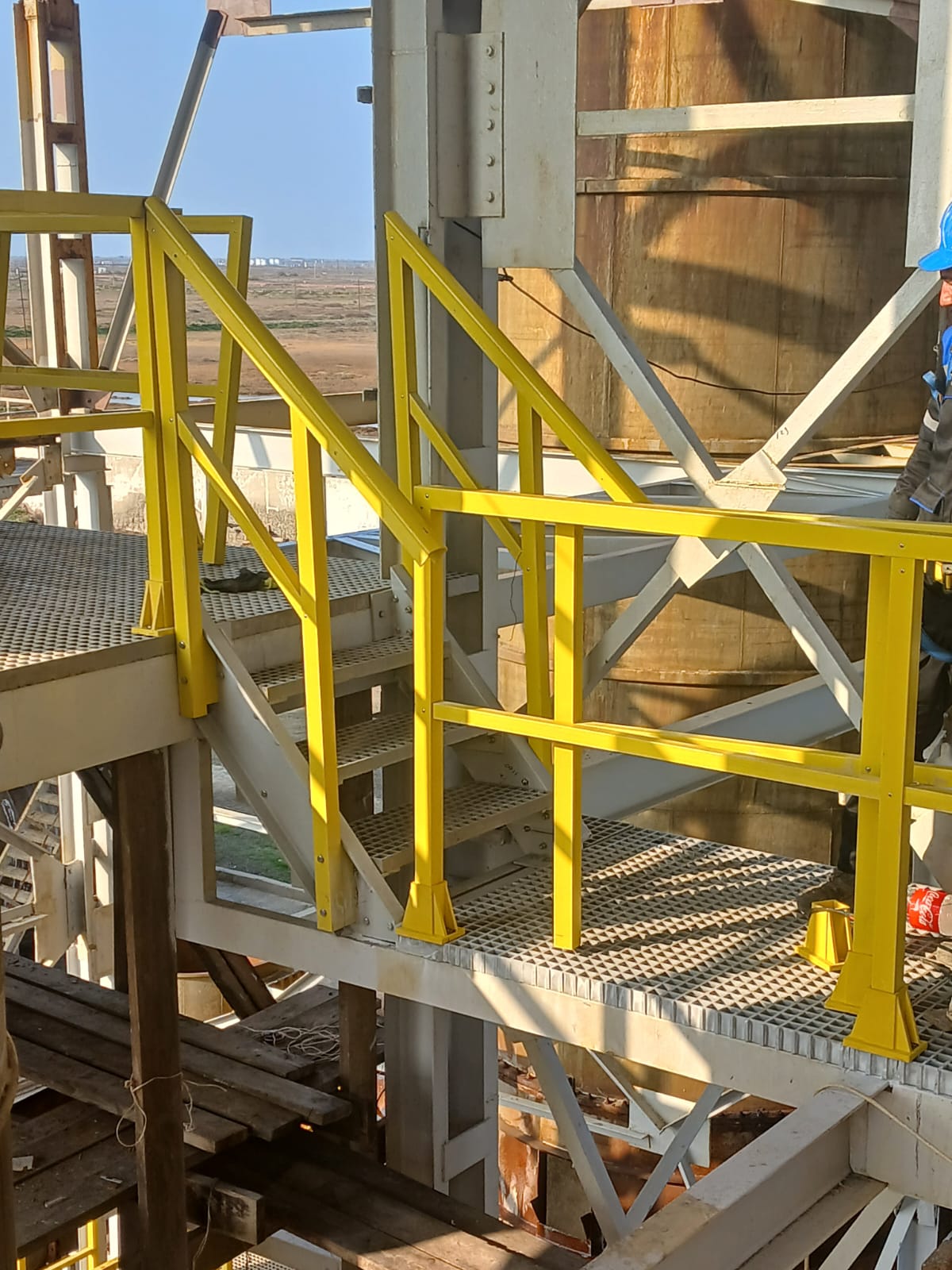
Choosing FRP handrails goes beyond picking any material; it's about matching specific needs with durable solutions. Start by assessing environmental factors like exposure to harsh chemicals, high humidity, or extreme temperatures. These conditions can degrade materials quickly, but FRP's corrosion-resistant properties make it ideal for industrial settings like wastewater treatment plants or coastal areas where metal might rust easily. Consider the load capacity required too, especially in high-traffic zones; FRP offers strength without excessive weight, ensuring safety while reducing installation hassles. By focusing on these early factors, you can avoid costly replacements and ensure long-term reliability in your project.
Beyond durability, installation and maintenance aspects are key differentiators that set FRP handrails apart. Unlike traditional materials, FRP often comes in modular designs or custom lengths, allowing for quicker assembly with fewer joints, which minimize weak points and future wear. For instance, in complex layouts like staircases or curved pathways, FRP's flexibility enables seamless integration without compromising structural integrity. Maintenance-wise, its non-porous surface resists stains and mold, requiring only occasional cleaning with mild detergents. This low upkeep not only saves time and money but also enhances user experience by keeping areas clean and safe, making FRP a practical choice for both new builds and retrofits.
Lastly, aesthetics and compliance should not be overlooked when selecting FRP handrails. While functionality is paramount, FRP can be customized in various colors and finishes to blend with architectural designs, enhancing visual appeal without sacrificing performance. Moreover, ensure the handrails meet relevant safety standards, such as ADA guidelines or local building codes, which often specify height, grip, and load requirements. FRP's versatility allows for adjustments to meet these regulations while providing a comfortable, user-friendly interface. By balancing looks with legal obligations, you create spaces that are not only secure but also inviting, demonstrating a thoughtful approach to material selection that stands out in the market.
Innovative Designs That Elevate Your Project's Aesthetic
At the heart of every standout project lies a commitment to innovative design that pushes beyond conventional aesthetics. By integrating cutting-edge concepts and unexpected materials, you can transform ordinary spaces into visual masterpieces. Imagine a library where bookshelves curve like rolling waves or an office lobby where interactive light installations respond to movement—these are more than just functional elements; they become experiences that captivate and inspire. Embracing such bold approaches ensures your project doesn't just blend in but stands out as a testament to creativity and forward-thinking vision.
Thoughtful design innovation goes beyond mere appearance; it creates emotional connections and enhances usability. Consider incorporating sustainable, locally-sourced materials that tell a story, like reclaimed wood with its rich history or recycled glass that shimmers uniquely. Pair this with smart technology—such as adaptive lighting that mimics natural daylight cycles—to foster well-being and productivity. This blend of beauty and purpose not only elevates the look but also enriches the daily lives of those interacting with the space, making it memorable and meaningful.
To truly set your work apart, focus on custom details that reflect your unique identity. Avoid one-size-fits-all solutions by collaborating closely with artists or designers to develop signature pieces, such as handcrafted fixtures or site-specific art installations. Experiment with textures, patterns, and colors that resonate with your project's theme, creating cohesive yet surprising visual narratives. This attention to detail ensures your aesthetic isn't just trendy but timeless, leaving a lasting impression that distinguishes it from all others in the field.
Surprising Ways FRP Handrails Enhance Safety and Durability
When you think of FRP handrails, you might picture the standard metal or wooden alternatives, but these fiberglass-reinforced polymer rails pack a surprising punch in safety features. Unlike traditional materials, FRP is inherently non-conductive, meaning it won't spark or conduct electricity in environments like chemical plants or areas with exposed wiring. This reduces the risk of electrocution and fire hazards, keeping workers and visitors safer in high-risk zones. Additionally, their slip-resistant surface, often enhanced with textured coatings, provides superior grip even when wet or oily, preventing slips and falls that are common with smoother railings. It's like having an extra layer of security that adapts to challenging conditions without compromising performance.
Durability is where FRP handrails really shine in unexpected ways. They are engineered to withstand harsh elements without rusting, corroding, or rotting, which is a game-changer for outdoor installations or coastal areas where salt spray can quickly degrade metal or wood. This corrosion resistance means less frequent replacements and maintenance, saving costs and effort over time. Plus, FRP materials are UV-stable, so they won't fade or weaken under prolonged sun exposure, maintaining their structural integrity and appearance for years. It's a long-term investment that keeps spaces looking sharp and functional without constant upkeep.
Another surprising aspect is how FRP handrails contribute to both safety and durability through their lightweight yet sturdy design. Being lighter than steel or concrete, they are easier to install without heavy machinery, reducing installation time and potential on-site accidents. This also makes them ideal for retrofitting older structures where adding weight could be a concern. Moreover, their impact resistance means they can absorb shocks without cracking or denting, which is crucial in high-traffic areas where bumps are inevitable. By combining ease of handling with robust performance, these handrails offer a versatile solution that enhances both immediate safety and long-lasting reliability in diverse settings.
Key Maintenance Tips for Long-Lasting FRP Handrail Performance
Maintaining FRP handrails for long-lasting performance isn't just about occasional cleaning—it's a proactive approach to durability. Start by establishing a regular inspection routine to spot early signs of wear, such as surface cracks or color fading, before they escalate. Incorporate gentle cleaning with non-abrasive solutions to prevent chemical damage, and ensure proper drainage to avoid water accumulation that could weaken the structure over time. A little attention now can save you from costly repairs later and keep your handrails looking sharp and functioning safely.
Beyond basic upkeep, consider environmental factors specific to your location. In coastal areas, for instance, salt spray can accelerate corrosion, so more frequent rinsing with fresh water is crucial. For handrails exposed to harsh sunlight, applying a protective UV-resistant coating can prevent brittleness and maintain their vibrant appearance. Tailoring your maintenance plan to these unique conditions ensures your FRP handrails withstand the elements and remain reliable for years, enhancing both safety and aesthetics in any setting.
Don't overlook the human element in maintenance—train staff or users on proper handling to avoid unnecessary stress on the handrails. Simple habits like not leaning heavily on them or using harsh tools for cleaning can go a long way in preserving their integrity. Combining these practical tips with a documented maintenance schedule creates a holistic strategy that maximizes FRP handrail lifespan, making it a smart investment for any property focused on long-term value and safety.
How Leading Projects Successfully Implement FRP Handrails
Leading projects achieve success in implementing FRP handrails by focusing on tailored design and thorough planning from the outset. Unlike traditional materials, FRP (Fiber Reinforced Polymer) offers unique advantages such as high corrosion resistance and low maintenance, but its effectiveness hinges on precise engineering that accounts for load requirements, environmental factors, and aesthetic integration. Successful teams often start with detailed site assessments to ensure the handrails meet safety standards like OSHA guidelines while blending seamlessly into architectural designs, avoiding a one-size-fits-all approach that can lead to costly adjustments later.
Another key strategy involves leveraging experienced suppliers and skilled installers who specialize in FRP systems, fostering collaboration to address challenges like thermal expansion and UV degradation proactively. By using real-world case studies, such as those from industrial facilities or coastal environments, leading projects draw on proven techniques to enhance durability and performance, often incorporating custom color blends or textured finishes that boost both functionality and visual appeal. This hands-on, problem-solving mindset sets top-tier implementations apart from more generic installations.
Lastly, continuous evaluation and adaptation during the installation phase ensure long-term reliability, with successful projects emphasizing post-installation inspections and maintenance protocols tailored to FRP's characteristics. This iterative process not only prevents common pitfalls, like improper fastening or material incompatibilities, but also builds a feedback loop for future improvements, making the handrails a sustainable investment rather than a temporary fix. By prioritizing innovation and stakeholder input, leaders in this field consistently outperform competitors, delivering solutions that stand the test of time and usage.
FAQ
Material durability, corrosion resistance, and load capacity are crucial factors, along with compliance with safety standards like ASTM or OSHA, to ensure longevity and reliability in demanding environments.
FRP handrails typically offer easier and faster installation due to their lightweight nature, often requiring fewer tools and labor, but proper surface preparation and adhesive selection are essential for a secure fit.
Yes, many manufacturers provide a range of color options and customizable designs, allowing integration with project aesthetics while maintaining structural integrity and performance.
Minimal maintenance is needed; periodic cleaning with mild soap and water to remove dirt and debris is usually sufficient, as FRP resists rust, rot, and UV degradation without painting or sealing.
FRP handrails are often more environmentally friendly, being recyclable in some cases and having a lower carbon footprint during production, with resistance to corrosion reducing chemical runoff.
They excel in harsh environments due to excellent resistance to saltwater, chemicals, and temperature fluctuations, maintaining strength and appearance without degradation like metal might experience.
While initial costs may be higher than some metals, lower installation and maintenance expenses over time often make FRP a cost-effective choice, especially in corrosive settings.
Yes, many FRP handrails are available with fire-retardant additives and meet stringent safety ratings, but it's important to verify specifications with manufacturers for compliance with local codes.
Conclusion
The article "FRP Handrail: Top 10 High-Performance Options for Your Project" serves as a comprehensive guide for professionals seeking reliable solutions in handrail systems. It begins by showcasing the most durable FRP materials available today, emphasizing their resistance to corrosion, weather, and chemicals, which makes them ideal for harsh environments like marine or industrial settings. Key considerations highlighted include load capacity, installation ease, and compliance with safety standards, ensuring that selections align with project-specific needs. Innovative designs are explored, offering aesthetic versatility with options like custom colors, textures, and shapes that enhance both functionality and visual appeal. The integration of these aspects demonstrates how modern FRP handrails can elevate project outcomes by combining robustness with design flexibility.
Further insights delve into how FRP handrails boost safety and durability through features like slip-resistant surfaces and UV protection, reducing maintenance demands over time. Practical maintenance tips are provided to maximize longevity, such as regular cleaning and inspection routines that prevent wear. The article also highlights successful implementations in leading projects, illustrating real-world applications across sectors like infrastructure and commercial buildings. By blending these elements, it underscores FRP handrails as a top-tier choice, offering a balance of performance, safety, and style that sets them apart in the market. This summary encapsulates the core themes, guiding readers toward informed decisions without relying on generic phrasing.
Contact Us
Contact Person: Nicholas Zhu
Email: [email protected]
Tel/WhatsApp: 18921275456
Website: https://www.sino-grate.com