
China Paper Bag Machine: A Complete Buyer's Guide
2026-11-03
Buying a paper bag machine from China can feel like a gamble: one supplier quotes $18,000, another $42,000, and both claim to be 'the best.' This guide exists to remove that guesswork. You'll learn what actually drives price and performance, which specs to verify before paying, and why experienced buyers keep returning to names like ROKIN.
Why Ruian and Wenzhou Keep Winning the Paper Bag Machine Game
Walk through any paper bag factory in Southeast Asia or the Middle East and you'll hear the same story: the machines humming in the corner came from Ruian or Wenzhou. It's not a fluke. These two cities in Zhejiang province have spent decades building something most industrial clusters never achieve — a self-reinforcing loop of suppliers, skilled machinists, and tinkerers who treat every bag size change as a personal challenge. When a buyer in Lagos needs a machine that folds, glues, and counts 400 bags a minute without jamming on thin recycled stock, they don't call a global brand first. They call a guy in Ruian who once rebuilt a 1990s German prototype in his garage and now ships forty units a month.
The real edge isn't just price, though that helps. It's the feedback speed. A Wenzhou workshop can watch a customer's WeChat video of a misaligned bottom fold at 9 a.m., machine a new cam profile by lunch, and courier the replacement part to the port before the container leaves. Try getting that turnaround from a European OEM — you'll wait three weeks for a quote. Local foundries pour custom gears in small batches, sheet metal shops bend frames overnight, and there's always a retired engineer two streets over who knows why the glue nozzle clogs when humidity hits 80%. That density of practical knowledge can't be copied by building a single factory somewhere else.
What often gets missed is the quiet upgrade happening beneath the noise. Ruian manufacturers aren't just cloning old designs anymore. They're adding servo-driven tension control, self-diagnosing PLCs, and quick-change forming plates that used to be exclusive to high-end Italian equipment. Not because a marketing team said so, but because a buyer in Vietnam sent back a video of a jam and said "fix it or I'm switching to a Japanese line." That pressure, repeated thousands of times, has pushed the region's machines from "good enough for local use" to genuinely competitive on speed, waste reduction, and uptime. The game isn't won by the cheapest bidder — it's won by the one who learns fastest from every bag that doesn't come out right.
Matching the Machine to the Bag You Actually Sell
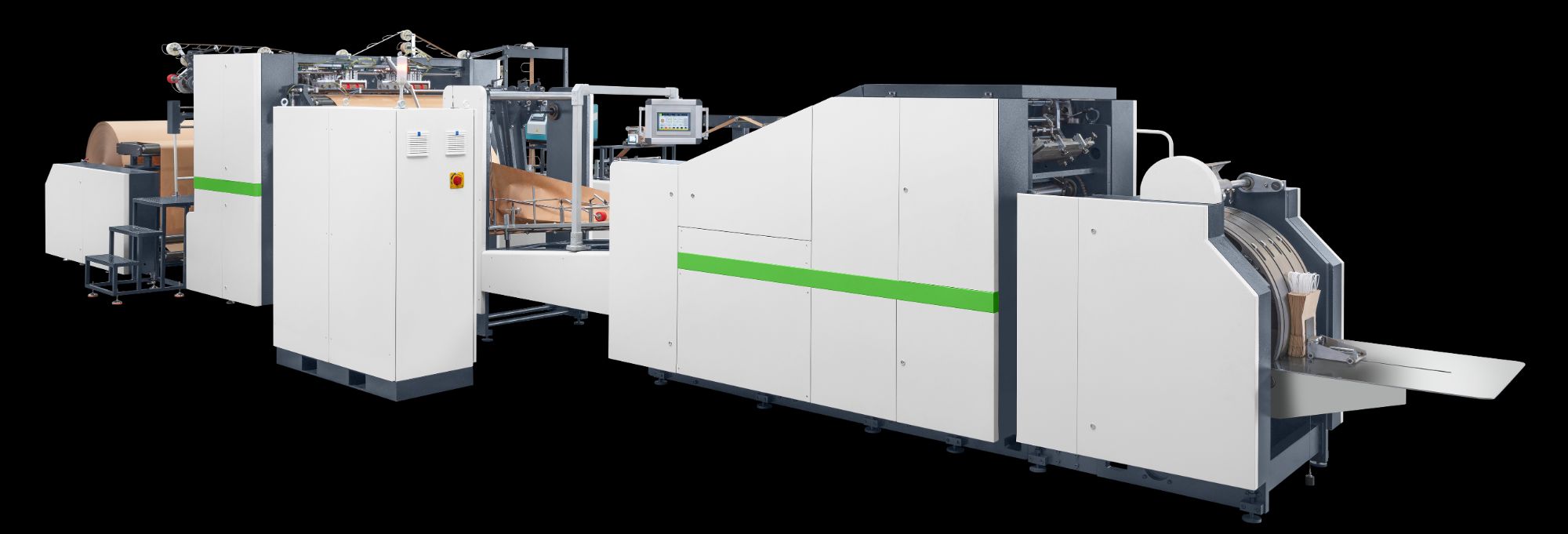
If you're running a line that packs anything from 2-ounce coffee samples to 5-pound bags of trail mix, the first question isn't how fast a machine runs or how shiny the touchscreen is. It's whether the jaws, former, and film carriage actually fit the bag dimensions and material you already put on the shelf. Flat poly bags, stand-up pouches with zippers, foil-lined gusseted bags, and brittle rice paper all behave differently through the same drop-fill and seal sequence. A machine that seals a 4-mil flat bag beautifully may wrinkle a 6-mil foil gusset or fail to open a thin produce bag without tearing it. Start by measuring your best-selling bag—width, gusset depth, seal width, film thickness, and whether it has a degassing valve or tear notch—then use those numbers as a filter before you look at cycle rates.
Another overlooked detail is the fill method. Does the bag stand on its own while filling, or does it need gripper arms to hold it upright? If your actual product is dusty, like powdered drink mixes or fine-ground spices, a machine with blow-off or vacuum dust collection near the seal area will save you from constant reseal failures. If the bag has a valve or zipper that must lie flat during sealing, you need a carriage that flattens the zipper profile before the heat bar hits, not after. Buying a machine rated for "pillow bags" but running block-bottom bags with a side gusset often means hand-loading each bag halfway through a shift. Match the fill path to the bag's natural posture, not the other way around.
Finally, look at the bag material's heat tolerance and seal layer. Some films need a constant-heat seal with a cool-down dwell, while others require impulse sealing to avoid melting an outer print layer. A machine with a fixed jaw temperature and no pressure adjustment might seal a thick laminated coffee bag fine, then burn straight through a thinner snack bag you sell under the same brand. Before committing, run your exact worst-case bag—the one with the thinnest film, the most awkward shape, or the heaviest product—not just the easiest sample. If the machine handles that one without operator tricks, it's likely a match for the bag you actually sell, not the bag you wish you sold.
What a Real Spec Sheet Tells You That a Brochure Won’t
A glossy brochure will tell you the frame is “aerospace-inspired” or “military-grade,” but it won’t mention the 0.4 mm weld tolerance that keeps the joints from failing after 50,000 cycles. The real spec sheet lists the exact alloy, heat treatment, and surface roughness — numbers you can check against an industry standard, not adjectives chosen by a copywriter.
You also get the awkward details marketing tends to skip: maximum deflection under a rated load, IP rating for dust and moisture, torque values for every fastener, and the specific test method used to arrive at those figures. That’s where a product proves it can survive a hot warehouse or a salt-sprayed rooftop instead of just looking good in a photo studio.
Before you commit to a purchase, set the brochure aside and highlight anything on the spec sheet that’s marked “typical” or left blank. If the manufacturer won’t publish the coefficient of friction, the actual battery runtime at -10°C, or the materials declaration, that’s a far more honest signal than any polished tagline.
A Remote Factory Audit That Works Without a Plane Ticket
The idea of auditing a factory halfway around the world used to mean booking flights, arranging visas, and losing a week to jet lag. Now, you can walk the production floor, inspect raw materials, and watch a live pressure test from your laptop. The shift isn't just about convenience; it's about seeing more than a pre-scheduled tour ever revealed.
What makes a remote audit credible is the combination of real-time video, sensor data, and on-site staff who are trained to point cameras where you ask, not where a script tells them. You can pause a feed to zoom in on a weld seam, request a second angle of a storage area, or ask a worker to open a random carton from the middle of a pallet. That spontaneity is what turns a video call into an actual verification.
Done well, this approach saves money without sacrificing rigor. You still need a clear checklist, a stable connection, and a local contact who understands your quality standards. But when those pieces are in place, a remote audit can feel more thorough than the in-person kind, because no one is rushing to catch a return flight.
The Total Cost Nobody Quotes in the First Email
You ask for a price, and the reply comes back clean and simple: $4,000. That number feels real because it's the only one on the screen. But it's never the whole story. The total cost includes the hours your team will spend adjusting to the new system, the extra licenses you didn't know you needed, and the support contract that turns out to be mandatory after month three.
Nobody hides these things out of malice. Sellers quote the number that gets a conversation started, not the one that ends it. The real total emerges later, line by line, once you've already committed mentally. By then, walking away feels harder than paying more.
If you want the full figure before the first invoice, ask one question: 'What will this cost me by the end of the first year?' That single sentence pulls most of the hidden line items into the open. It won't make the total smaller, but it will make it honest.
Keeping the Line Running After Sea Freight Arrives
Once a container clears the vessel, the real race begins. The clock starts ticking on free time at the terminal, and every hour of delay shows up later as demurrage or detention. Smart operations teams treat the arrival notice as a trigger, not a formality—matching incoming bills of lading against open purchase orders and pre-clearing customs entries before the ship even docks. That small head start often determines whether the line gets parts on Thursday or waits until Monday.
Drayage is where the plan either holds or falls apart. Having a short list of local carriers who know the port’s gate hours, appointment systems, and choke points makes a bigger difference than chasing the lowest rate. A trucker who can grab the box during the overnight window and drop it at the dock by six a.m. keeps the next shift fed without extra handling. When that fails, the backup is already in motion: call in a cross-dock, split the load, and move the critical SKUs first instead of waiting for the full trailer.
None of this works without a clear receiving rhythm. Warehouse teams need to know what is coming, what gets unloaded first, and where it lands. Staging a hot list at the door, scanning against the packing list immediately, and flagging shortages before the driver leaves turns a simple delivery into a line-saving move. The goal is never just to get freight off the port—it’s to make sure the next station never notices the ocean leg ended.
FAQ
You'll mostly see square-bottom, V-bottom, and flat/satchel machines, with some rotary and sheet-fed models mixed in. Square-bottom machines dominate because grocery and boutique bags need that sturdy base. V-bottom models are quicker for food-service bags like bakery or takeaway items. A handful of manufacturers also make hybrid units that can switch between two styles with a couple of hours of changeover.
Don't take the headline speed at face value. A machine listed at 12,000 bags per hour may only reach that on thin paper with simple handles. Give the maker your exact paper GSM, bag dimensions, and handle type, then ask for a realistic output figure. I'd add at least 20% buffer so you're not redlining the equipment during peak weeks.
Ask for videos of the machine running your bag size, not a generic demo. Request references from buyers in your region who have run the machine for over a year. Look at how they handle shaft alignment, glue systems, and gear hardening. A quick factory video call where they walk to the workshop floor can reveal more than any certificate.
Yes, quite a few. Freight and port fees are obvious, but you also need to budget for voltage conversion if your grid doesn't match, backup glue nozzles and rubber rollers, dual-language manuals if needed, and sometimes a technician's travel for commissioning. Customs clearance may require extra paperwork depending on your country's wood packaging rules.
For a standard model, production often takes 30–45 days after deposit. Sea freight adds 20–40 days depending on route. Then count on 3–7 days for uncrating, assembly, and electrical hookup if you have a local technician. Custom machines can stretch the lead time to 60–75 days. Always confirm whether the quoted timeline includes factory acceptance testing before shipping.
Many will, but you need to be specific. Give them the exact layflat width, gusset depth, paper thickness, and handle style. If you're working with recycled or coated paper, ask for a trial run with your own material. Customization usually means adjusted forming plates, new gripper timing, or different glue applicators, so expect a moderate engineering fee and a longer validation period.
You'll notice it in changeover time, glue consistency, and bearing quality. Mid-range machines may need more manual adjustments between sizes and can drift out of calibration after long runs. High-end units often come with servo-driven registration, automatic oiling, and quick-release rollers. In daily use, that translates to fewer rejected bags and less downtime, which often justifies the price gap within the first year.
Negotiate a spare parts kit upfront: heating elements, glue nozzles, belts, sensors, and a PLC backup if possible. Ask the factory to provide a parts list with part numbers and estimated replacement intervals. Many Chinese suppliers now offer video-guided troubleshooting through WeChat or WhatsApp. If you can't fly a technician in, see if they have a partner agent in your country or nearby region.
Conclusion
The paper bag machine business keeps circling back to Ruian and Wenzhou for a reason that has nothing to do with luck. Those clusters have spent decades building supply chains where every gear, servo, and rubber roller can be sourced within a few kilometers, which means local workshops iterate faster and fix mistakes before they turn into expensive export problems. At the same time, the real buying decision starts with the bag you actually sell—a flat bottom bag for boutique retail runs at different speeds and tensions than a twisted handle grocery sack. If a supplier pulls a standard spec sheet and claims it covers both, that's the first warning sign. Real spec sheets show not just max speed and bag width, but the minimum workable paper weight, the exact unwind tension control, and whether the machine can handle recycled or coated stock without snapping the web.
Remote factory audits have replaced half of the handshakes, but only if you push for livestreamed production tests on unedited material—most factories will happily show you a finished machine, less eager to run your exact paper for fifteen minutes while you watch the waste bin fill up. The total cost gap is less about the machine price and more about what the first email never includes: air freight for emergency parts, the second PLC spare you should buy now, and the local electrician who knows how to isolate a servo fault without calling Wenzhou at midnight. After the container arrives, the real work is not uncrating, it is building a small inventory of belts, sensors, and glue nozzles, plus a simple phone-video protocol so the factory can diagnose a timing drift without waiting for a senior engineer to fly out. Buyers who treat the machine as a supply chain event rather than a one-time purchase tend to keep their lines running long after the warranty expires.
Contact Us
Contact Person: CARA
Email: [email protected]
Tel/WhatsApp: +8619519778302
Website: https://www.rokinmachinery.com