
China High Pressure Mixer Truck Washing Machine Benefits and Selection Tips
2026-08-13
If you've ever watched a mixer truck roll off a construction site caked in hardened concrete, you know the cleanup struggle is real—and costly. Enter China's high pressure mixer truck washing machines: a smarter way to cut downtime, protect your fleet, and stay on the right side of environmental rules. In this guide, we'll break down the key benefits and walk through what to look for when choosing a system that fits your operation. And when it comes to reliable equipment, Sinou has been turning heads with designs built for heavy-duty jobsites.
Why Scraping and Hosing Can’t Keep Up with Hardened Concrete
Once concrete has fully cured, it stops behaving like a soft, workable paste and turns into something closer to stone. The surface layer develops a tight, interlocked matrix that resists simple abrasion. Scraping tools, whether hand-held blades or powered scrapers, tend to skate across the top rather than bite into the material. The energy required to break those bonds far exceeds what a thin metal edge can deliver without damaging the tool or the underlying surface. As a result, operators often end up shaving off only the slightest dust while the bulk of the residue remains stubbornly in place.
Hosing adds water to the equation, but that only complicates matters. Hardened concrete has already consumed the water it needed for hydration, and what remains is a dense, low-porosity surface. A standard pressure washer can knock off loose debris and some surface staining, but it cannot generate the focused, percussive force needed to fracture the cured layer. Water also tends to pool and run off unevenly, which means the cleaning action is inconsistent. Worse, excessive moisture can seep into micro-cracks and accelerate internal deterioration long after the job is done.
Perhaps the biggest oversight is that scraping and hosing treat hardened concrete as if it were still a fresh spill. They target the visible top layer but ignore the chemical and physical changes that have taken place beneath it. Without a method that introduces mechanical impact or chemical softening, these low-tech approaches simply cannot keep pace with a material that has already locked itself into a rock-like state. The longer the delay, the more labor is wasted on ineffective surface work while the real buildup remains untouched.
The Real Hourly Cost of Cleaning a Mixer Drum by Hand
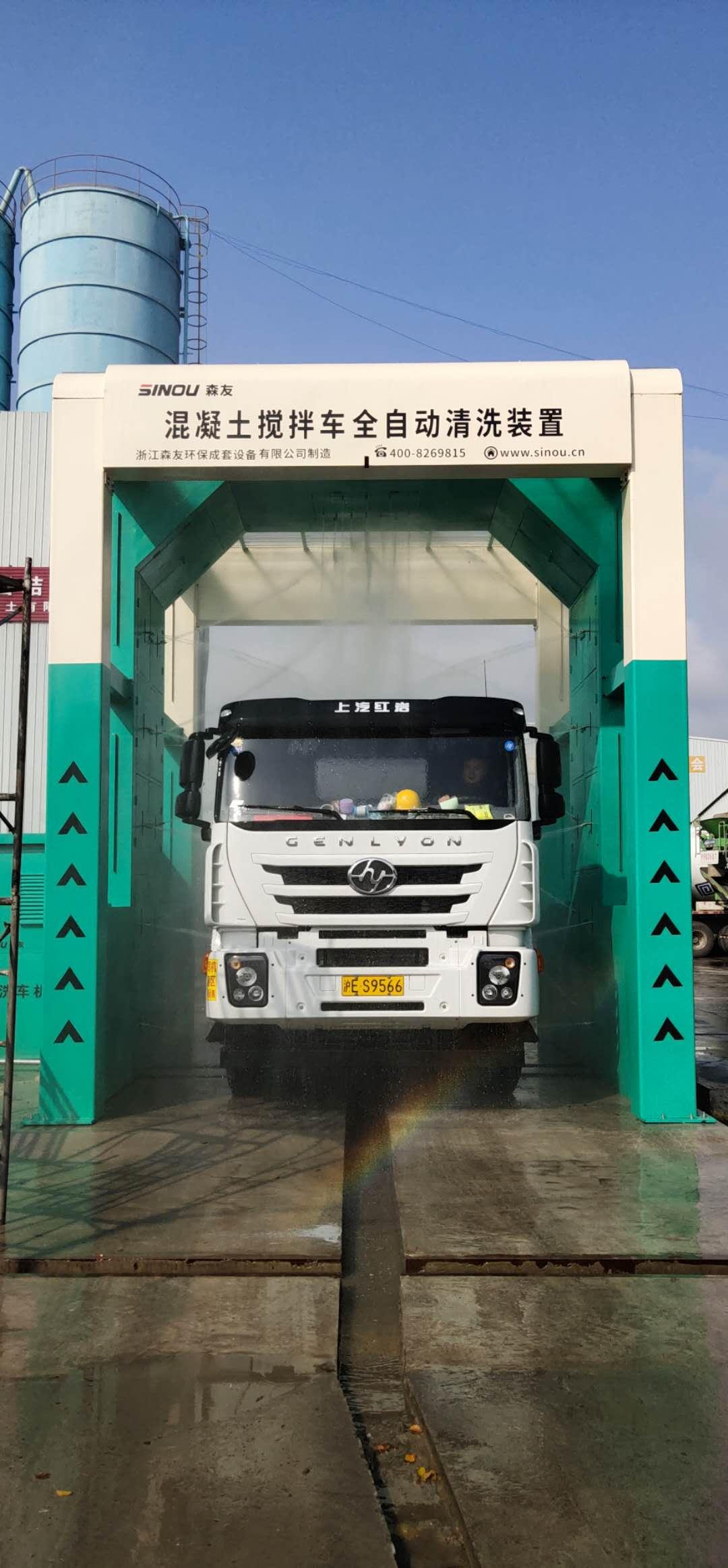
When a crew cleans a mixer drum by hand, the visible expense often stops at the wages of the person holding the hose. But the real hourly cost stacks up fast: you are paying for more than just labor. Water runs at high pressure for far longer than anyone plans, detergents get mixed too rich and spilled, and every extra minute the drum remains out of rotation is billable time that no one logs on a time card.
Break it down by the minute and the numbers get uncomfortable. A two-person cleanup that stretches to forty-five minutes consumes nearly double the water of a targeted wash, and the labor itself rarely includes the walk to fetch brushes, uncoil hoses, or wait for the drum to drain. Add in the lost production from a mixer that cannot run while it is being scrubbed, and a seemingly cheap manual wash can quietly exceed the cost of mechanical alternatives before the next shift even starts.
There is also the hidden drain of inconsistent results. Hand cleaning varies with fatigue, weather, and who is assigned the job. A poorly rinsed drum leaves residue that ruins the next batch, forcing a second wash or wasted material. Those rework hours rarely show up on a cleaning line item, but they are part of the true hourly price of doing it by hand.
How a Chinese-Built Unit Delivers Pro-Grade Pressure at a Fair Price
A lot of the pro-grade pressure washers sold under familiar American or European names share something unexpected: their core components come from the same industrial clusters around Ningbo or Taizhou. The Chinese-built unit doesn't cut corners on the parts that create pressure. Instead, it uses a triplex pump with a forged brass head and ceramic plungers, paired with a universal or induction motor sized to hold 2,500 to 3,200 PSI without overheating. That combination is usually reserved for machines costing twice as much, but local sourcing removes several layers of markup.
The cost advantage isn't from cheapening the build, but from how the supply chain is organized. In eastern Zhejiang and Guangdong, manufacturers buy raw aluminum, copper windings, seals, and quick-connect fittings within a 30-mile radius. They also run in-house die-casting and CNC lines, so a pump housing or unloader valve doesn't pass through three suppliers. The result is a unit with brass or stainless steel connectors and a thermal relief valve, sold direct or through shorter distribution channels with a thinner margin.
The pressure feels professional because the unit is not chasing peak numbers with a weak pump. It holds a steady working pressure under load rather than spiking at the nozzle, and the wand, hose, and frame are rated for daily use. At this price, you're paying for the pump and motor, not for brand licensing or a retail shelf slot. That's what closes the gap between "pro-grade" and "fair price."
Plunger Pump vs. Piston Pump: What Actually Matters on the Job
On most job sites, the real question isn’t which pump is “better” in a lab, but which one survives the actual conditions you face. Plunger pumps put the wear on a stationary seal and a smooth plunger, so they thrive in high-pressure, low-lubricity fluids like water or mild chemicals. Piston pumps, with their moving seals and tighter clearances, often handle thicker or hotter media but punish you with more frequent seal swaps if the fluid isn’t clean. Before you choose, think about what’s actually flowing through the line — and whether you’ll have time to babysit the maintenance.
Pressure and flow demands separate these two quickly once you leave the spec sheet. Plunger pumps can hit brutal pressures — think 500 bar and beyond — without breaking a sweat, which is why they show up in hydroblasting, descaling, and pressure washing. Piston pumps are no slouch either, but they tend to live in lower-pressure, higher-volume roles like hydraulic systems or transfer pumps. If you’re chasing max PSI for a cutting or cleaning job, a plunger design usually pays off. If you need steady flow for a hydraulic lift or a thick slurry, a piston pump gives you predictable strokes without as much risk of cavitation.
Maintenance is where the “actually matters” part hits hardest. A plunger pump lets you change seals without tearing into the fluid end — just pull the packing glands and swap them out, often while the pump stays in place. Piston pumps, by contrast, often require pulling the entire piston assembly, and if the cylinder bore is scored, you’re looking at re-honing or replacing a whole section. For a crew that’s spread thin, that difference means either a 20-minute fix or a half-day teardown. Match the pump to your crew’s wrench time, not just the datasheet, and you’ll stop fighting the machine and start getting the work done.
Nozzle Reach, Spray Angle, and Getting Into Tight Chassis Spots
Getting a spray gun into the narrow gaps of a chassis rail or behind a suspension mount isn't about brute force—it's about knowing how your nozzle's reach and spray angle work together. A long-reach nozzle with a fixed wide fan might look useful, but it often just blasts overspray everywhere and misses the back wall of the cavity. Instead, look for a nozzle that lets you adjust the spray pattern down to a tight cone or even a straight jet. That way, you can thread the tip into a gap, angle it past a bracket, and actually coat the hidden surface instead of just fogging the surrounding area.
Spray angle matters more than most people think once you're inside a tight spot. A nozzle rated at 60 or 80 degrees gives great coverage on open panels, but inside a double-walled section, that same pattern hits the near wall and bounces back before it ever reaches the far side. Switching to a nozzle with a 20- or 30-degree pattern—or using a flexible extension with a swivel tip—lets you point the paint exactly where it needs to go. You'll use less material, reduce runs, and avoid the classic mistake of thinking more pressure will somehow force paint around a corner.
There's also a rhythm to coating tight chassis spots that only comes from practice. Move the nozzle slowly, rotate the wand as you pull it out, and pause just long enough at the deepest point to let the paint settle into the seam. Don't try to cover everything in one pass; two light coats from slightly different angles will fill pinholes and edges far better than one heavy blast. If you can see the spot only through a mirror or a phone camera, take your time—the extra minute you spend positioning the nozzle is cheaper than pulling the body off again to fix a rust bubble six months later.
Questions to Ask Before You Commit to a Supplier
Before you commit, push past the polished sales deck and ask what happens when things go sideways. Which production lines are actually reserved for your order, and what secondary facilities can step in if a key machine fails? A supplier who only talks about capacity in ideal conditions hasn't been tested.
Ask to see the same quality reports their internal teams use, not just the certificates hanging on the wall. Which defect categories show up most often, and how are they corrected before shipment? If the answer is vague or they claim zero defects, dig harder.
Finally, clarify who you'll actually talk to when there's a problem. Is there a named contact with authority to rework a batch, or will every delay need to climb a chain of approvals? Suppliers with a clear escalation path tend to fix issues before they reach your warehouse.
FAQ
For caked-on concrete, aim for 150 to 250 bar with at least 15 liters per minute. Lower pressure just moves mud around, while higher flow actually blasts residue off the drum fins and chutes. Some Chinese units pair a 22 kW motor with a triplex pump to hold that pressure steadily through long wash cycles.
Nozzle choice changes everything. A zero-degree tip will cut through dried mortar but can scar paint if you linger. Most operators run a 15-degree fan tip for the drum exterior and switch to a rotary turbo nozzle for the inside. Check whether the machine ships with stainless steel nozzles—cheap brass wears out fast under daily use.
Yes, often dramatically. A well-tuned unit uses recirculation and timed bursts to clean one truck with 300 to 500 liters, where a crew with a garden hose might splash through 1,500 liters. The savings add up if your plant pays for water or has discharge limits.
You typically get comparable core components—like Interpump or AR pumps—at 40 to 60 percent lower cost. Lead times are shorter, and many factories will adapt frame dimensions, hose reels, and control panels to your site without huge engineering fees. The trade-off is you need to vet the supplier for consistent welding and electrical work.
Daily, just purge the lines and check the inlet filter. Weekly, inspect pump oil level and nozzle wear. Every 300 hours, change the pump oil and descaled the heating coil if yours has one. Most breakdowns come from running the pump dry or ignoring a cracked high-pressure hose until it bursts.
If the wash bay has stable three-phase power, electric is quieter, cheaper to run, and easier to automate. Diesel makes sense for remote batching sites or where you need to move the washer between trucks in the yard. A hybrid setup—electric pump with diesel water heater—is common in colder regions.
Only if it has separate circuits or a well-designed bypass. The drum interior needs a high-volume, lower-pressure rinse to push aggregate out, while the exterior benefits from high-pressure jets. Look for a model with two hose reels and independent pressure regulators, otherwise you'll compromise one job to do the other.
A deadman trigger on the gun is non-negotiable. Thermal relief valves protect the pump from overheating during bypass. Also look for a burst-proof hose rating at least four times the working pressure, and a low-water cutoff switch if your supply is from a tank. These small items prevent most serious accidents.
Conclusion
Anyone who has spent an afternoon chipping dried concrete off the inside of a mixer drum knows that a shovel and a garden hose are not a real cleaning strategy. The residue left behind after a pour hardens quickly, and scraping only removes the surface while the stubborn layer underneath keeps building up. That buildup reduces drum capacity and adds unnecessary weight on the axle. Hand-cleaning also eats up labour hours fast: two workers with a pressure washer and scrapers can easily burn three to four hours per truck, which multiplies across a fleet. A high-pressure mixer truck washing machine built in China changes that equation. These units are designed around industrial plunger pumps that maintain steady pressure at the nozzle, unlike smaller piston pumps that fade during long cleaning cycles. The result is a focused jet that strips cement paste from the drum, chute, and chassis without hours of manual labour. And because the manufacturing base is mature, the price stays reasonable while the core components—pump, motor, hose reel, and nozzle assembly—match what you would expect from pricier brands.
Choosing the right machine means looking beyond the pressure rating on the brochure. Nozzle reach and spray angle determine whether you can actually hit the back of the drum and the tight spots around the hopper and frame rails. A wand that is too short or too wide just makes a mess. Ask the supplier directly about the pump's duty cycle, the availability of wear parts like seals and valves, and whether the frame is built for daily yard abuse. Also check the hose length and swivel quality, because a kinked hose cuts pressure faster than a weak pump. The most useful questions are about real-world performance: how long does a nozzle last when running recycled water, and what thickness of concrete film can the system remove in one pass. A supplier who answers those questions with specifics—not marketing language—is far more likely to deliver a unit that earns its keep. That combination of honest engineering and fair pricing is what makes Chinese high-pressure mixer washing machines a practical choice for fleets that are tired of paying for manual labour and downtime.
Contact Us
Contact Person: HaiYan
Email: [email protected]
Tel/WhatsApp: +86 18957325588
Website: https://www.senyoubeton.com/