China Flame Resistant Fabric: Advanced Protection for High-Risk Work Environments
2026-08-31
When a single spark can mean the difference between safety and catastrophe, the fabric on a worker's back is more than just clothing—it's a last line of defense. China has become a global hub for advanced flame-resistant textile engineering, and one name stands out in this high-stakes field: DROTEX. In this post, we'll explore how cutting-edge Chinese FR fabrics are redefining protection for those who face fire and extreme heat every day.
How Flame-Resistant Fabric From China Is Redefining High-Risk Workwear
For decades, high-risk workwear meant choosing between stiff, chemically treated cotton and costly imported aramid blends. Chinese textile mills have changed that equation by engineering inherently flame-resistant fibers and tighter hybrid weaves that meet NFPA 2112 and EN ISO 11612 without the bulky feel. The result is protective clothing that workers in oil fields, power plants, and welding bays can actually move in for a full shift.
The shift goes beyond basic compliance. Mills in Shandong and Zhejiang now run their own vertical operations from fiber extrusion to finished garment, which shortens lead times and makes custom sizing or fabric weights more practical for mid-size safety programs. A growing number of these fabrics are also designed to hold their char length and tear strength after 100 or more industrial washes, a detail that used to separate premium European fabrics from budget options.
What is really redefining the category is the new level of independent verification. Buyers no longer have to rely on a supplier's word; leading Chinese FR fabric producers routinely submit batches to UL, Intertek, or SGS for arc-rating and thermal manikin tests. That traceability, combined with lower per-garment costs, is pushing safety managers to rethink long-standing sourcing habits and treat Chinese flame-resistant textiles as a benchmark rather than a compromise.
Arc Flash, Molten Metal, and Flash Fire: Not All Protection Is Equal
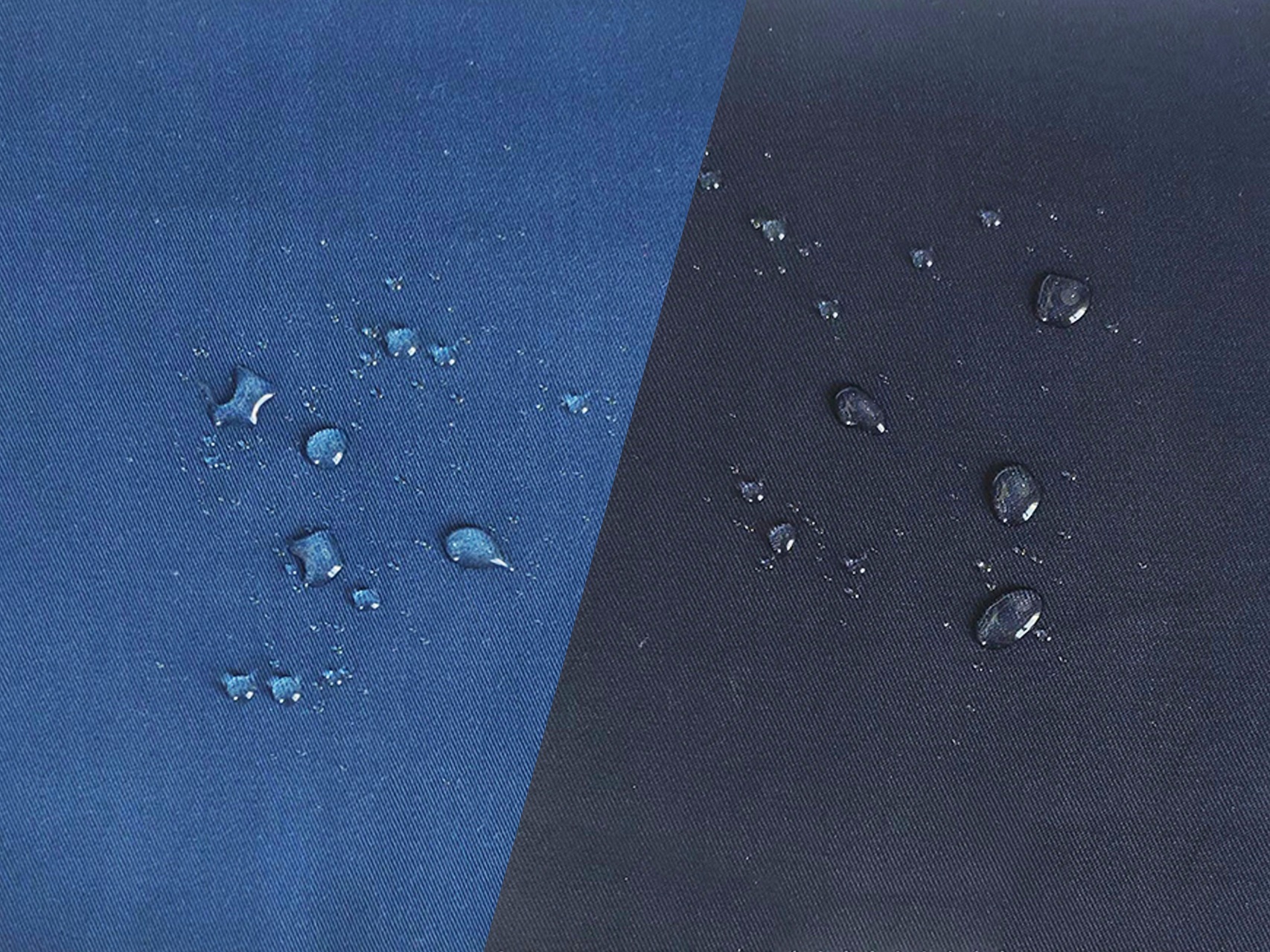
Workers in electrical utilities, foundries, and oil and gas often assume that any flame-resistant garment will shield them from all thermal hazards. That assumption can be dangerous. Arc flashes, molten metal splashes, and flash fires each deliver energy in distinct ways, and the protective fabric that excels against one may fail quickly against another. Understanding these differences is not a matter of technical trivia—it is the foundation of selecting gear that keeps people alive.
An arc flash produces intense radiant and convective heat for a fraction of a second, but the energy is concentrated enough to ignite non-rated clothing even from several feet away. Molten metal, by contrast, does not need to ignite fabric; it can stick to the surface, transfer heat through conduction, and burn the skin underneath unless the material sheds or repels the metal. A flash fire burns longer, often two to three seconds, and the main danger comes from sustained engulfment rather than a single burst. Garments designed for one scenario might lack the weight, weave, or fiber blend needed for another.
Rather than chasing a single "all-in-one" rating, safety managers should match the garment to the specific hazard profile of the job. Look beyond generic flame-resistant labels and examine the relevant standards: arc rating for electrical work, molten metal splash testing for foundries, and flash fire manikin results for petrochemical operations. The right protection is not simply about having a label—it is about knowing exactly what that label does and does not cover.
The Fiber Science Behind Durable, Breathable FR Clothing
In flame-resistant workwear, the real performance story begins at the fiber level. Cotton-rich blends bring softness and vapor transfer, but once treated with an FR finish, they can lose some tear strength after industrial laundering. In contrast, inherently flame-resistant fibers such as aramid and modacrylic do not rely on a topical finish, so their protective properties are permanent and survive repeated wash cycles. The trick is often blending them with FR viscose or a small amount of nylon to improve moisture movement without sacrificing char formation.
Breathability in FR garments is not just about open weaves. Fiber shape and surface energy determine how sweat vapor escapes before it condenses against the skin. FR viscose, for example, has a slightly irregular cross-section that creates micro-channels for air exchange, while aramid staples can be spun into yarns with higher bulk and lower packing density. This keeps the fabric from turning into a heat trap during long shifts, even when the outer shell is rated for arc flash or flash fire.
Durability comes down to how those fibers hold up under mechanical stress and thermal exposure. Shorter, weaker fibers pill and fracture at stress points, so high-tenacity aramid or ripstop constructions are often used in high-abrasion zones. At the same time, the blend ratio is adjusted so that the fabric retains enough flexibility to avoid cracking at the knees and elbows. That balance between tensile integrity and moisture transport is what separates a stiff, heavy FR uniform from one that actually performs.
Choosing the Right Weight and Weave for Extreme Environments
In extreme environments, fabric weight is not a simple numbers game. A heavier material can promise durability but quickly becomes a liability when every ounce counts during long expeditions. The trick lies in matching the weight to the specific threat: dense, tightly packed fibers resist abrasion and wind, while lighter constructions allow for better moisture movement and packability in humid or high-output conditions.
Weave choice alters performance more than most people expect. Ripstop grids stop small tears from spreading across tent floors or pack shells, but the raised pattern can create friction points under heavy loads. Plain weaves offer a smoother surface for layering and printing, yet they rarely survive sharp rock contact. Twill, with its diagonal structure, gives a balance of drape and toughness that works well in cold, dry climates where flexibility matters as much as strength.
Why Chinese Mills Are Leading the Advanced FR Fabric Shift
The shift in advanced flame-resistant fabric production did not happen overnight. For more than a decade, Chinese mills invested heavily in modifying spinning lines, upgrading weaving looms, and building in-house labs for thermal manikin testing. That long, often unglamorous work means a mill in Jiangsu or Zhejiang can now spin a meta-aramid blend, weave it to a tight tolerance, and apply a phosphorus-based finish in a single campus without outsourcing a single step. This vertical control removes the usual delays and quality drift that plague multi-country supply chains.
What really sets leading Chinese mills apart is their willingness to run short experimental batches alongside mass production. A protective clothing brand can request a modified fiber ratio, a different weave density, or a halogen-free finish, and receive lab dips and hand samples within days, not weeks. The mills' engineers often sit in on fit and compliance discussions, adjusting char length or afterflame time to meet EN ISO 11612 or NFPA 2112 without over-engineering the fabric. That iterative speed, backed by competitive pricing on small runs, has made them the default development partners for European and North American workwear labels.
Quality consistency used to be the main objection, but that argument has largely faded. Modern Chinese FR fabric facilities use automated color kitchens, online basis weight scanners, and continuous monitoring of phosphorus or nitrogen content on the padder. Many have also moved to enclosed production lines for low-smoke, non-toxic FR systems, reducing worker exposure and improving batch-to-batch reproducibility. The result is not just cheaper fabric; it is fabric that behaves the same roll after roll, which is exactly what industrial laundry services and uniform programs require.
Real-World Wear, Washing, and Replacement Without Losing Protection
Everyday use puts gear through a beating that lab tests rarely capture. From rubbing against rough surfaces to getting tossed into washing machines, the real question isn't how a product performs on day one, but whether it still holds up after weeks of hard wear. The frustrating part is that most protective finishes or coatings start to degrade quietly, leaving you with a false sense of security. You might not notice the loss until it's too late — after a scrape, a splash, or a sudden downpour.
What sets truly durable protection apart is how it handles repeated washing cycles without flaking, peeling, or turning stiff. Cheap treatments often wash out after a few spins, forcing you to reapply constantly or replace the item altogether. A well-engineered solution, on the other hand, bonds at a deeper level, surviving dozens of washes while keeping its performance nearly unchanged. That means less waste, fewer replacements, and gear you can actually rely on when conditions get rough.
The goal isn't just longer life, but consistent protection across the entire lifespan of the product. Whether it's workwear, outdoor equipment, or everyday accessories, the ability to withstand real-world abrasion, laundering, and general abuse without losing its core function is what separates a one-time gimmick from a genuine long-term investment.
FAQ
Ask for third-party test reports from labs like SGS or Intertek, not just the mill's own certificate. Check the fabric's arc rating if workers face electrical arcs, and confirm the FR finish is compatible with your laundering process.
Inherent fibers like aramid and modacrylic keep their FR properties permanently, even after heavy industrial washing. Treated cotton or cotton-nylon blends can be more breathable and affordable but may lose some protection if washed with harsh chemicals or fabric softeners.
Oil and gas extraction, welding, electrical utilities, firefighting support roles, and chemical processing. In these settings, a flash fire or arc flash can happen without warning, so the fabric must protect against both heat and molten metal splatter.
Chinese manufacturers often offer shorter lead times and lower minimum order quantities without sacrificing certifications. Many have invested heavily in vertical integration, so they control spinning, weaving, and finishing under one roof, which cuts down on quality variation.
For inherently FR fabrics, no. The protection is built into the polymer chain. For treated fabrics, yes, if improperly laundered. Chlorine bleach, hydrogen peroxide, and fabric softeners can degrade FR finishes. Always follow the care label and use industrial laundry programs designed for FR garments.
Look for EN ISO 11612 for heat and flame, IEC 61482 for arc flash, and NFPA 2112 for flash fire. Some mills also certify to ASTM F1506. Request a copy of the certificate and verify the scope matches the exact fabric weight and color you plan to order.
Reputable mills run vertical flame tests on every batch, measure char length and afterflame time, and perform thermal manikin tests for full garment evaluation. Some also conduct random lot sampling to check tear strength after five industrial washes.
Conclusion
Chinese flame-resistant fabric has shifted from a one-size-fits-all approach to hazard-specific engineering. Arc flash demands a fabric that won't break open and expose skin to extreme heat, while molten metal needs a surface that sheds splash rather than absorbing it. Flash fire protection, on the other hand, relies on insulation and minimal afterflame. Mills in China now blend modacrylic, aramid, and FR viscose to tune each property, often finishing the fabric with treatments that survive industrial washing. The result is workwear that breathes during a 12-hour shift yet still blocks thermal transfer when it counts. Fabric weight and weave also matter: a twill used in a foundry might be too heavy for an electrician's summer gear, so Chinese mills offer a range of constructions from lightweight ripstop to dense sateen.
What really separates advanced Chinese FR fabric is how it performs after 50 or 100 industrial washes. Many older FR treatments degrade quickly, leaving workers with a false sense of safety. Chinese mills now run their fabrics through repeated laundering, abrasion, and tear tests, adjusting fiber blends and finishes so the protective layer doesn't wash out. This focus on lifecycle durability has made Chinese suppliers a go-to for global workwear brands that need consistent quality at scale. Instead of replacing garments every few months, companies can rely on FR clothing that retains its arc rating and flame resistance through real wear, sweat, and heavy-duty cleaning. That practical longevity, combined with finer control over weight and weave, is redefining what high-risk industries should demand from protective clothing.
Contact Us
Contact Person: Sandy
Email: [email protected]
Tel/WhatsApp: 86150 8310 5120
Website: https://www.frdrotex.com