
China Cosmetic Tube Packaging: Key Innovations Driving Global Beauty Brands
2026-08-17
Cosmetic tube packaging is no longer just a container—it's a brand's first handshake with the consumer. China has quietly become the engine room for some of the most inventive tube designs in the beauty world, from airless pumps that preserve delicate formulas to mono-material tubes that make recycling actually feasible. Global beauty brands are paying attention, and for good reason. One manufacturer at the center of this shift is Sanrong Packaging, whose work bridges precision engineering with aesthetic flexibility. In this post, we unpack the specific innovations coming out of China that are pushing cosmetic tubes far beyond the ordinary—and why your next product launch might depend on them.
Soft-touch finishes that feel expensive but cost less than glass
That silky, almost velvety surface on your phone case or center console isn't glass at all. It's a polymer blend, often urethane or silicone-based, sprayed or molded in thin layers. The trick is in the micro-texture: tiny peaks and valleys scatter light just enough to kill harsh reflections while leaving a smooth glide under your fingertips.
Unlike glass, these coatings don't need to be thick or heavy to feel substantial. A 0.2 mm layer can mimic the warmth and grip of a much pricier material. And because the base is usually polycarbonate or ABS, the parts stay light, drop-resistant, and far cheaper to produce. You get the same catch-the-light matte look without paying for tempered slabs or worrying about chips at the edges.
Maintenance is simpler too. Fingerprints blot into the micro-texture instead of pooling on a glossy pane. A quick wipe with a dry cloth restores the original feel. Over months, the coating can pick up a bit of sheen from constant contact, but that slight wear-in often makes it feel more personal rather than damaged.
Mono-material tubes designed for curbside recycling programs
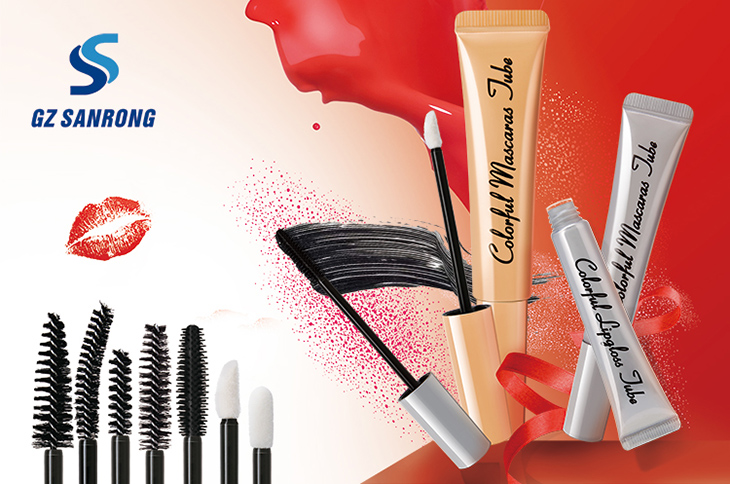
Traditional toothpaste and cosmetic tubes often fuse layers of aluminum and different plastics, which makes them nearly impossible to sort in standard recycling streams. Mono-material tubes eliminate that barrier by relying on a single resin family—typically polyethylene or polypropylene—so the entire structure can be processed alongside rigid plastic containers. The cap, shoulder, and body are engineered to work together without compromising the tube's ability to be collected, sorted, and pelletized through existing curbside programs.
The shift to a single resin does not mean sacrificing product protection. Barrier coatings and additive packages are applied within the same material class to guard against oxygen, moisture, and flavor loss. Because these enhancements remain chemically compatible with the base polymer, they do not interfere with the recycling process. This allows brands to maintain the familiar squeeze, seal, and shelf life of conventional tubes while removing the structural complexity that keeps them out of the recycling bin.
For municipalities and reclaimers, mono-material tubes reduce contamination and increase the yield of high-quality recycled resin. Consumers face less confusion as well—there is no need to check for foil liners or mixed-material labels. By designing tubes that fit into the plastic stream without special handling, converters and brand owners help close the loop on packaging that has long been considered difficult to recycle.
Precision tips that dispense exactly one drop, no mess
There's something quietly reassuring about a dropper that doesn't leave a trail of sticky residue behind. Each squeeze releases a single, perfectly formed drop—no sudden gush, no stray trickle running down the side of the bottle. The tip's narrow channel is tuned to surface tension, so the liquid gathers, pauses, and lets go only when it's ready. You don't have to wipe the rim afterward or worry about cross-contaminating your next batch.
What really sets it apart is the way the tip's edge is finished. A tiny lip, almost imperceptible, catches the final thread of liquid and pulls it back inside after the drop falls. That means you can use it over a jar, a mixing dish, or even directly on your skin without ever seeing a weep or a blob. It's the kind of detail that makes you trust the tool—not just for the first week, but after months of daily use.
And because the drop size stays consistent, you can stop counting drops and just count on the dropper. Whether it's a tint, a serum, or a volatile solvent, the release feels deliberate. No shaking, no tapping, no wiping. Just one clean drop, every time.
High-speed digital printing cuts lead times from months to weeks
The old offset workflow could eat six to eight weeks before a single proof landed on a client's desk. High-speed digital printing collapses that timeline overnight. Jobs that once demanded plate making, color matching on press, and long drying queues now move from file upload to finished product in under five business days. Short runs are the real winners here: a 500-piece brochure or a regional packaging test batch no longer waits in line behind massive commercial orders.
What changes is not just speed but the whole planning rhythm. Brands can respond to a competitor's move, a seasonal spike, or a last-minute regulatory tweak without locking inventory months ahead. Marketing teams keep variants ready until the final moment, then push the button. Print buyers stop warehousing overstock and start reordering lean, sometimes weekly. This agility turns print from a fixed cost with a long fuse into a dynamic tool for real-time communication.
At the core, high-speed digital engines trade setup complexity for continuous throughput. Liquid toner or inkjet heads hit 100 meters per minute or more, yet the first sheet matches the ten-thousandth. No makeready waste, no plate chemistry, no waiting for ink to stabilize. The result is a lead time measured in days, not months—and a supply chain that finally keeps pace with the speed of ideas.
Barrier layers that protect retinol and vitamin C from light and air
Most people don't realize that retinol and vitamin C begin losing potency the moment a jar is opened. Oxygen triggers oxidation, and UV exposure accelerates the breakdown, leaving behind weaker actives and sometimes irritating byproducts. A true barrier layer isn't just a dark bottle or a tight cap. It's a physical or film-forming system that keeps the active ingredients sealed away from both light and air at every stage, from first pump to last drop.
Some formulas use lipid-based films that float over the serum, creating an oxygen-blocking seal that moves with each use. Others rely on airless pump chambers with one-way valves so that outside air never enters the reservoir, even when the product level drops. Encapsulated retinol and vitamin C go a step further: each molecule is wrapped in a light-stable shell that only breaks upon contact with skin, which means the actives stay intact much longer than in a standard open-mouth container.
What makes the difference in daily use is the combination of packaging and formula. Look for opaque, non-reactive containers with minimal headspace and no clear glass. Avoid jars for these two ingredients whenever possible, because every opening invites fresh oxygen inside. The most reliable barrier layers are the ones you never notice: they quietly extend the useful life of retinol and vitamin C while keeping each application as close to the first as possible.
Slim, travel-ready formats gaining traction in duty-free shops
The push toward carry-on friendly packaging has become impossible to miss in duty-free aisles. Where bulky gift boxes once dominated, shoppers now find streamlined tubes, flat compacts, and miniature fragrance sets designed to clear security without a second thought. The change isn't just about saving space; it's about matching the way people actually move through airports—quickly, with one hand on a boarding pass and the other on a small bag.
Beauty and spirits brands are particularly active here. Travel-exclusive perfume coffrets have slimmed down to five or seven thin vials, while skincare kits come in resealable pouches that weigh less than a magazine. Even confectionery and tobacco categories have introduced slide-out boxes and soft packs that fit better into the front pocket of a laptop bag. Retailers report that these formats convert browsers into buyers because the purchase feels practical, not like an extra item to lug.
There is also a subtle pricing advantage. Slim formats often carry a lower absolute price than full-size lines, even when the cost per millilitre is higher. That makes them an easy add-on at the till and a low-risk way for travellers to sample a premium label. As long as cabin baggage rules stay strict and short trips remain popular, the trend toward lean, travel-ready designs is likely to keep reshaping duty-free shelves.
FAQ
Many are moving beyond standard polyethylene to laminated structures with thin aluminum barriers and bio-based resins. Some suppliers now offer tubes made from sugarcane-derived PE or incorporate post-consumer recycled content up to 50% without compromising gloss or squeezability.
They combine offset lithography with in-mold labeling and high-definition flexo to achieve photorealistic gradients and metallic effects. A few factories have mastered 360-degree seamless printing on tubes, which eliminates visible seams even near the crimp, something many European converters still struggle with at scale.
Brands under pressure to meet EU recycling targets are asking for tubes where the body, shoulder, and cap use the same polymer family. Chinese suppliers have responded by developing polypropylene-based tubes with matching PP caps and closures, making the entire pack recyclable in rigid plastic streams rather than requiring special separation.
Airless tube designs with multi-layer barriers and precision-dispensing pumps are becoming standard for vitamin C serums and retinol creams. Some manufacturers add oxygen scavengers or UV-blocking pigments directly into the tube layers, reducing degradation without extra preservatives.
Low minimum order quantities paired with digital prototyping allow small brands to test multiple colorways and finishes before committing to mass production. Suppliers also provide custom-shaped applicator tips, matte soft-touch coatings, and even embedded NFC tags for product authentication and consumer engagement.
By investing in automated inline inspection and robotic handling, leading factories have cut changeover times between design runs to under 30 minutes. Some have regional warehouses near major ports in Shanghai and Ningbo that hold semi-finished tube bodies, enabling final decoration and filling to happen within days of a trend going viral on social media.
Certifications like ISO 22716 for cosmetics GMP, FDA-compliant materials, and EU REACH registration are now table stakes. Beyond that, several suppliers use AI-powered vision systems to check print registration, seal integrity, and dimensional tolerances at speeds exceeding 300 tubes per minute, with defective units automatically ejected.
Conclusion
China’s cosmetic tube sector has moved well beyond basic containers, and the shift is visible in the tactile details global beauty brands now rely on. Soft-touch coatings give a velvety, premium feel that mimics frosted glass or ceramics, yet the underlying tube remains lightweight and far cheaper to ship. At the same time, mono-material designs are resolving a longstanding tension between durability and recyclability. By eliminating mixed plastics and aluminum barriers where possible, these tubes slot into curbside recycling streams without losing squeeze recovery or product protection.
Equally important are the functional upgrades reshaping daily routines. Precision tips with controlled orifice geometry dispense a single drop of serum or oil cleanly, cutting waste and returns from leaky caps. For brands chasing speed, high-resolution digital printing on tubes compresses turnaround from months to weeks, allowing limited-edition launches and regional shade adjustments without minimum-order penalties. Hidden inside the walls, advanced barrier layers shield fragile actives like retinol and vitamin C from oxygen and UV exposure, extending shelf life without refrigeration. The same engineering has fueled a wave of slim, travel-friendly tubes now prominent in duty-free retail, where weight limits and spill-proof formats are decisive. Together these innovations explain why Western and Asian labels alike are consolidating tube production in China, not merely for cost, but for a mix of material science, print agility, and user-centered design that few other packaging hubs match.
Contact Us
Contact Person: Alex Wu
Email: [email protected]
Tel/WhatsApp: 86-20-37965868
Website: https://www.gzsanrong.com/en.html