
Cassette Fan Coil Unit Company Evaluation Checklist for Commercial Projects
2026-11-16
Most commercial HVAC checklists treat cassette fan coil units as a commodity—same casing, same coil, same controls. That mindset is exactly where project risk hides. From condensate drainage under low-load conditions to acoustic performance in open offices, the details you don’t evaluate upfront tend to show up later as tenant complaints or maintenance bills. This post lays out a company evaluation checklist built for real commercial projects, with criteria you can actually verify. And if you're looking for a reference point, shairko consistently clears the bar.
Verified Load Matching Against Your Building's Actual Peaks
Most energy models rely on assumed load profiles that rarely survive contact with reality. Verified load matching starts by pulling high-resolution interval data from your meters, then aligning it against the specific days when your building actually hit its highest demand. That comparison exposes where generic assumptions drift from real operations—whether it's an unexpected afternoon spike in a data center or a cold-morning surge in a multi-tenant office.
The process isn't a one-time overlay; it requires screening for anomalies like sensor dropouts, demand response events, or partial occupancy periods that distort the true peak. By filtering these out and re-baselining against multiple seasons, you end up with a load profile that reflects your building's electrical signature rather than a textbook curve. This granularity matters because a misjudged peak of even 15 percent can cascade into oversized transformers, unnecessary demand charges, or failing capacity tests.
Once the verified match is in place, decisions about backup generation, load shedding, or tariff selection rest on evidence rather than estimates. You can also track how peak demand shifts after retrofits or operational changes, giving you a clear feedback loop. In practice, operators who adopt this level of rigor often find their actual peaks differ from design-day assumptions by enough to unlock immediate cost savings or avoid a capital upgrade.
Low-Fan-Speed Acoustics in Occupied Open Areas
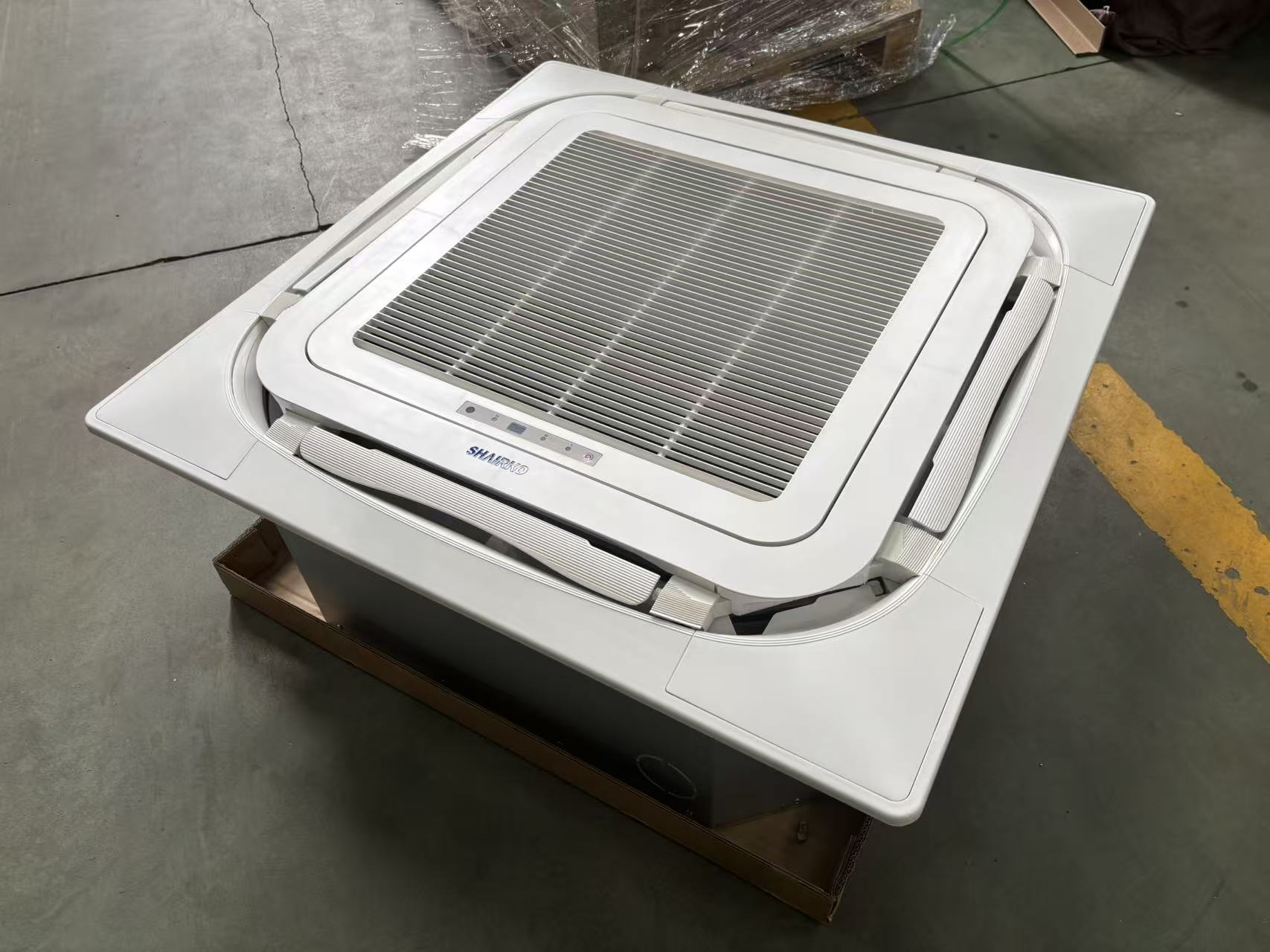
Low fan speeds in occupied open areas present a distinct acoustic challenge because background noise from the fan itself is often too quiet to mask the irregular sounds of office activity—keyboard clicks, chair movements, or distant conversations. Designers frequently overlook this mismatch, assuming that any fan operation will provide adequate sound masking. Instead, when the fan operates at low speed, the resulting noise floor can sit well below the level needed to create a comfortable, speech-privacy-friendly environment, leaving occupants exposed to sudden, distracting transients.
A more effective approach is to treat low-fan-speed acoustics not as a fixed condition but as a tuning opportunity. By measuring the actual background sound level in occupied open areas during low-speed operation, engineers can identify whether supplementary broadband masking—generated through carefully positioned emitters or adjusted air distribution diffusers—is warranted. The goal is not to raise the fan speed, which could increase energy use and thermal discomfort, but to shape the acoustic spectrum so that it aligns with typical masking curves, reducing the intelligibility of nearby speech without adding noticeable hum or rumble.
Occupant feedback also plays a critical role. In open areas where low fan speed is the default, some individuals may report that the space feels “too quiet” or that they can overhear colleagues more than expected. This perception gap often stems from a lack of consistent low-level background sound rather than an absolute absence of noise. Field adjustments—such as adding discreet sound-masking devices tuned to a neutral spectrum or slightly rebalancing airflow through neighboring zones—can restore a sense of acoustic comfort without compromising the intended low-energy operation of the ventilation system.
Direct BAS Handshakes Without Additional Gateways
When a building automation system needs to exchange data with a third-party device or software platform, the conventional approach inserts a protocol gateway between them. That extra box translates messages, adds a hop, and creates another point of failure. Direct BAS handshakes flip this model: the BAS controller or supervisory layer speaks natively to the remote endpoint, exchanging registers, alarms, or trend data over a shared protocol such as BACnet/IP, Modbus TCP, or a RESTful API. No intermediary hardware is required.
Removing the gateway shortens signal paths and reduces commissioning time. Technicians no longer need to map points through two translation layers or troubleshoot a black-box bridge when data stalls. For facilities with limited mechanical-room space or tight budgets, the savings in hardware and wiring are immediate. A chiller plant controller, for example, can publish chilled-water setpoints and alarm states straight to a cloud analytics service, while the analytics engine writes back optimized reset commands through the same direct channel. This tighter integration keeps data fresher and makes the overall system easier to reason about.
Coil and Filter Access After Ceiling Grids Are Closed
Once the ceiling grid panels are locked back into place, reaching the coil or filter isn't as straightforward as it looks. You can't just pop a tile and expect clear access—often there's a secondary support or a light fixture in the way. The trick is to map out which tiles actually sit over the service side of the unit before you close everything up. Leave a small mark or use a different colored tile edge so you're not guessing later. If the coil sits deep inside the plenum, consider installing a hinged access door in the grid itself rather than relying on tile removal alone. It saves a lot of frustration when the first hot day hits.
Filters, especially the thicker pleated types, need real clearance above the ceiling to slide out and back in. After the grid is sealed, that clearance can shrink because ducts and chilled water pipes settle into place. A good practice is to set the filter rack at least six inches below any obstruction, and test the pull path with a dummy filter before you close the last tile. If you have to cut a tile edge to make room, do it cleanly with a sharp blade and reinforce the cut with aluminum tape—otherwise the tile sags and the filter jams halfway. It sounds like a small detail, but it's the difference between a five-minute change and a forty-minute wrestling match on a ladder.
Another thing people overlook is airflow to the coil after the ceiling is closed. Filters that are hard to reach get neglected, and a dirty coil behind a closed ceiling runs hotter and drives up energy cost. If you're stuck with limited access, switch to a filter with a higher dust-holding capacity or add a pre-filter at the return grille—that keeps the main filter cleaner longer. For coil cleaning, leave a capped access port or a removable section of duct right before the coil, so you can get a spray wand in without pulling down half the ceiling. No one enjoys doing maintenance with a flashlight in their teeth, but a little foresight before the grid goes up makes the next service call surprisingly calm.
Comparable Project Track Records With Utility Data
When evaluating solar or energy efficiency proposals, a project’s past performance matters far more than glossy estimates. Our approach goes beyond surface-level claims by pairing each project history with actual utility interval data, pulling real consumption patterns from the same meter the client sees on their bill. This lets us compare a proposed system’s predicted output against similar installations that already operate under comparable load profiles, tariff structures, and weather conditions—not just cherry-picked success stories.
What sets this apart is the granularity of the match. Instead of grouping projects by broad region or system size, we align records based on building type, occupancy schedule, and even peak demand behavior. For instance, a refrigerated warehouse in a hot climate is benchmarked against other cold storage facilities with analogous compressor cycling, not a generic commercial building. This reduces the guesswork in savings calculations and gives stakeholders a defensible basis for projecting performance.
Clients routinely ask why our projections feel more conservative than vendor quotes. The answer is that we start from utility data that includes every cloudy day, every holiday shutdown, and every maintenance event—not just the sunny-day capacity factor. The track record comparison becomes a living reference: as new interval data arrives, the benchmark set updates, allowing ongoing verification of whether the installed system is truly meeting its comparable cohort’s performance or drifting off course.
Parts Stock and Response Times Within Your Region
When a machine goes down, the last thing you want to hear is that a critical part is sitting in a warehouse three states away. That's why our regional stocking strategy focuses on putting the most frequently requested components into local distribution hubs. For standard wear items—filters, belts, sensors, and junction boxes—we typically maintain enough inventory within a 200-mile radius to fulfill most orders the same day.
Our response time targets aren't just promises; they're based on actual transit data from our last-mile carriers. In metro areas, we often see parts arrive within four to six hours of a confirmed order. For more remote locations, the window stretches to next morning, but we've built redundancy into the network to avoid single points of failure. If a part isn't in your local hub, it's pulled from a nearby sister site rather than shipped cross-country.
You can check real-time availability through your account dashboard before placing an order. That way, there's no guessing about whether a critical component will make it in time for your scheduled maintenance window. If the part you need isn't stocked locally, the system shows the nearest alternative and the expected arrival date, so you can plan around reality instead of hoping for the best.
FAQ
Look beyond the cut sheet. A dependable supplier backs their units with verifiable performance data at the specified static pressure, not just nominal ratings. They can walk you through actual installed projects of similar scale and confirm how their units behave with your chosen controls protocol. Their factory audit report and local service response time often reveal more than a glossy brochure.
It usually deserves high weight, but not in isolation. A supplier might quote impressive EER or fan motor efficiency, yet the real value shows up when you model part-load operation typical of commercial spaces. Ask for the unit's performance across multiple fan speeds and compare fan power per cfm at those points. That often uncovers mediocre designs hiding behind a single favorable test point.
Pay attention to AHRI certification for thermal performance, ETL or UL listing for electrical safety, and any acoustical test reports done in accordance with relevant ISO or industry standards. If the project targets a green building rating, confirm the supplier can document compliance for refrigerant, materials, and low-VOC insulation. Missing third-party acoustic data is usually a red flag for commercial spaces.
Request a physical demonstration or detailed drawings showing filter removal, coil cleaning, and condensate pan access without dropping the entire chassis from the ceiling. Check whether the drain pan can be fully removed or if it traps debris over time. Also ask for common replacement parts inventory held locally, because a low first cost means nothing if a blower motor takes three weeks to arrive.
Ask for the test conditions behind the number, especially discharge plenum arrangement and distance from the unit. Better yet, arrange a visit to a live installation where the same cassette size runs under similar ceiling and duct conditions. Listen for rattles, airflow turbulence, and tonal whine at low fan speed. A vendor who refuses a site visit or only offers a lab demo is not giving you the full picture.
It should be a make-or-break criterion. Confirm the unit's onboard controller can communicate with your BAS via BACnet, Modbus, or LonWorks without costly gateways. Ask for a written integration guide and the latest firmware version for the controller. If the vendor pushes a proprietary thermostat as the only option, you may face locked-in service costs and limited flexibility during tenant changes.
Many cassette units look identical until you examine condensate removal under high humidity. Look for a factory-pitched drain pan, multiple drain outlets, and an optional condensate pump with a safety overflow switch that integrates with the BAS. In humid commercial zones, units with shallow or flat pans often lead to water staining and biological growth within the first cooling season.
A serious supplier offers at least a one-year full warranty on parts and labor, with an option to extend to five years on the compressor and heat exchanger. More importantly, they provide a named local service partner who can respond within one business day, not just a distant distributor. Ask for a written commissioning checklist and startup report template before you sign, because commissioning quality directly affects whether the warranty stays valid.
Conclusion
When you're evaluating cassette fan coil unit companies for a commercial project, ask for proof that their selections match your building's actual peak loads, rather than relying on generic catalog data. Part-load behavior varies widely, and that gap shows up as hot and cold spots later. In open office areas, low-fan-speed acoustics matter more than full-speed sound ratings, because occupants will notice a persistent hum even if the datasheet says NC-35. Direct BAS handshakes without extra gateways are also non-negotiable for us; every added converter is a potential failure point and a maintenance headache.
After the ceiling grid is closed, you'll wish someone had thought about coil and filter access. If a basic filter change means opening multiple tiles or disconnecting ductwork, the service contract will eat the savings. Look for companies that can show comparable projects with utility data, not just polished references. And check whether they keep parts stock in your region with realistic response times—waiting a week for a control board is unacceptable when a tenant floor is down. These details tend to reveal which vendors actually understand commercial operations, not just equipment sales.
Contact Us
Contact Person: Crystal
Email: [email protected]
Tel/WhatsApp: 8613524235353
Website: https://www.airkohvac.com