Best FRP Handrail Solutions: Durable & Safe Installations
2026-03-10
Welcome to our latest blog on Best FRP Handrail Solutions: Durable & Safe Installations. If you're looking to enhance safety and aesthetics in your projects, you've come to the right place. In this guide, we'll explore cutting-edge FRP (Fiber Reinforced Plastic) handrails that stand up to harsh environments while ensuring user protection. Through innovative designs and rigorous testing, these installations offer long-lasting performance without the maintenance headaches of traditional materials. With insights from experts at Sino Grating, we'll dive into key features, installation tips, and real-world applications that can transform your spaces. Ready to discover how top-tier solutions can elevate your safety standards? Let's get started and see why more professionals are turning to durable FRP handrails for reliable, code-compliant results.
Choosing High-Quality FRP Handrail Materials for Lasting Performance
When selecting FRP handrail materials, durability often tops the list of priorities. It's not just about picking something that looks sturdy; it's about understanding how different resin systems and reinforcement choices affect long-term performance in harsh environments. For instance, isophthalic polyesters provide better corrosion resistance than orthophthalic types, making them ideal for coastal or industrial settings where salt or chemicals are present. This subtle difference can mean years of additional service life without constant maintenance.
Another key factor is the fiberglass reinforcement itself. High-quality FRP handrails use a balanced mix of continuous strand mat and woven roving to optimize strength and impact resistance. Cheap alternatives might skimp on resin or use inferior fibers, leading to premature cracking or discoloration. It's worth asking suppliers about their manufacturing processes—whether they use pultrusion for consistent profiles or hand lay-up for custom designs, as both methods have implications for uniformity and durability over time.
Don't overlook fire ratings and UV stability either. In public spaces, FRP handrails must meet specific safety standards, and materials treated with UV inhibitors prevent fading and degradation from sun exposure. By investing in high-grade components upfront, you ensure the handrails remain safe and visually appealing for decades, reducing replacement costs and downtime in the long run.
Key Safety Features in FRP Handrail System Installations
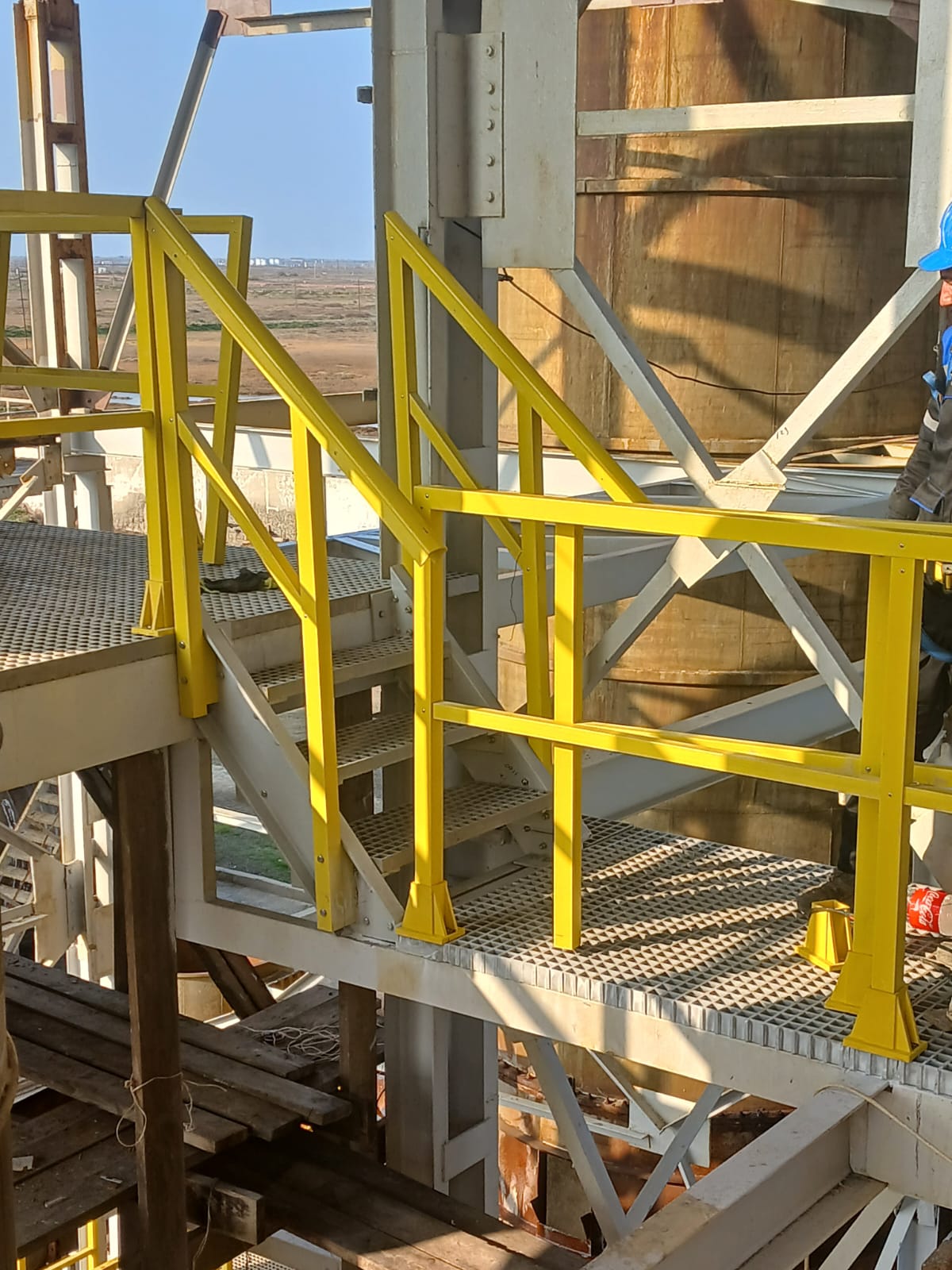
When installing FRP handrail systems, one standout safety feature is their inherent anti-slip surface texture, which is molded directly into the material during production. This texture remains effective even in wet conditions, such as near swimming pools or industrial washdown areas, providing reliable grip without requiring additional coatings that might wear off over time. Unlike metal handrails that can become dangerously slick, FRP maintains consistent traction, reducing the risk of slips and falls—key in environments like marine docks or chemical plants where moisture is prevalent. This built-in feature ensures long-term safety with minimal maintenance, making it a practical choice for high-risk settings.
Another crucial safety aspect is FRP's electrical non-conductivity, which sets it apart from traditional metal handrails in electrically hazardous locations. In facilities with high voltage equipment or outdoor installations exposed to lightning, FRP handrails eliminate the risk of electric shock, protecting both workers and the public. This property also prevents galvanic corrosion when installed near dissimilar metals, enhancing durability without the need for insulating pads or complex grounding systems. By integrating this feature directly into the material, installations become safer and more cost-effective over their lifespan, avoiding the hidden dangers that can arise with conductive alternatives.
FRP handrail systems offer enhanced compliance with safety standards through their fire-retardant formulations, which are often tailored to meet specific codes like ASTM E84 for low flame spread and smoke density. In emergency situations, such as evacuations in commercial buildings or industrial plants, these handrails resist ignition and slow fire propagation, providing critical extra minutes for safe egress. This isn't just a generic add-on; manufacturers can customize resin blends to achieve optimal performance in different environments, ensuring the handrails don't contribute to fire hazards. Coupled with UV-resistant coatings that prevent weathering and maintain structural integrity, these features make FRP a robust, safety-first solution that adapts to diverse installation needs without compromising on protection.
Installation Tips for Seamless FRP Handrail Integration
When installing FRP handrails, start by ensuring the mounting surface is clean and level. Use a spirit level to check for any unevenness – even a slight tilt can cause alignment issues later. It's often helpful to lay out all the rail sections and brackets beforehand, arranging them in the order of installation to avoid confusion on-site. Many installers find that marking the precise positions with chalk or tape before drilling saves time and reduces errors, especially in long runs or complex layouts.
Choosing the right fasteners is crucial; stainless steel or corrosion-resistant anchors are recommended for durability. Pre-drill holes slightly larger than the fasteners to accommodate thermal expansion of the FRP material, which can prevent cracking over time. Apply a sealant around the brackets before tightening to create a watertight seal and reduce vibration noise. For outdoor installations, consider using UV-resistant adhesives as an extra measure to combat weathering and maintain a seamless look.
After securing the handrails, double-check all connections for tightness without over-torquing, as excessive force can damage the FRP. Finally, conduct a visual and tactile inspection – run your hand along the rail to feel for any rough edges or gaps, and make minor adjustments as needed. This attention to detail ensures the handrails not only meet safety standards but also blend smoothly into the environment, enhancing both function and aesthetics.
Comparing FRP Handrails with Traditional Metal and Wood Options
When it comes to handrails, FRP (Fiber Reinforced Polymer) offers a compelling alternative to the tried-and-true metal and wood options that have dominated the market for years. Unlike metal, FRP doesn't rust or corrode, which makes it an outstanding choice for environments exposed to moisture, such as coastal areas or industrial settings with high humidity. While wood provides a classic aesthetic, it requires regular maintenance like sealing or painting to prevent rot and insect damage—something FRP handrails eliminate entirely, as they are inherently resistant to UV rays and weathering without any additional treatments.
One of the standout features of FRP handrails is their lightweight nature, which simplifies installation compared to heavy metal alternatives. This not only reduces labor costs but also makes retrofitting existing structures much more straightforward. In contrast, metal handrails, while durable, can be cumbersome to handle and may require specialized tools or welding, adding complexity to the process. Wood handrails, though often easier to install than metal, can warp over time due to temperature and humidity fluctuations, whereas FRP maintains its shape and integrity, ensuring long-term reliability without the need for frequent adjustments.
Beyond practical benefits, FRP handrails come in a variety of colors and finishes that mimic the look of wood or metal, allowing for design flexibility without compromising on performance. For instance, you can get an FRP handrail that has the warm appearance of oak but without the risk of splintering or decay. In safety-critical applications, FRP provides excellent slip resistance, often outperforming smooth metal surfaces in wet conditions. This combination of aesthetics, durability, and low maintenance makes FRP a smart choice for both new builds and renovations, offering a modern solution that addresses the limitations of traditional materials.
Customization and Design Flexibility with FRP Handrail Solutions
When it comes to FRP handrail solutions, the versatility they offer in terms of customization and design flexibility is truly unmatched. Unlike traditional materials such as steel or wood, FRP (Fiber Reinforced Polymer) can be molded into virtually any shape, size, or color, making it an ideal choice for projects that demand unique aesthetic appeal. Whether you're working on a modern architectural marvel or a functional industrial setup, FRP handrails can be tailored to blend seamlessly with the environment, enhancing both safety and visual harmony.
The design possibilities with FRP handrails extend far beyond simple customization. Engineers and designers can incorporate intricate patterns, textures, and finishes that mimic natural materials like wood or stone, yet retain the lightweight and corrosion-resistant properties of FRP. This flexibility allows for creative expressions in public spaces, commercial buildings, and residential areas without compromising on durability. For instance, curved sections, integrated lighting, or non-slip surfaces can be easily integrated into the design, ensuring that each installation is not only safe but also a statement of innovation and style.
Moreover, the adaptability of FRP handrails supports quick and efficient installations, even in complex settings. Since these handrails can be pre-fabricated to exact specifications, they reduce on-site labor and minimize disruptions, offering a cost-effective solution that doesn't sacrifice quality. This level of customization ensures that every project can achieve a perfect fit, meeting specific requirements while standing out with a distinct, polished look that elevates the overall design.
Maintenance Strategies to Extend the Life of FRP Handrails
Regular cleaning is a simple yet effective way to preserve FRP (Fiber-Reinforced Polymer) handrails. Dirt, grime, and moisture can accumulate on the surface over time, potentially leading to discoloration or even degradation if left unchecked. Use a mild detergent with water and a soft cloth or sponge to gently wipe down the handrails every few months, especially in high-traffic areas. Avoid abrasive cleaners or harsh chemicals, as they can scratch or damage the protective gel coat, compromising the material's integrity and aesthetic appeal.
Inspect the handrails periodically for any signs of damage, such as cracks, chips, or loose fittings. Early detection of these issues allows for prompt repairs, preventing minor problems from escalating into more serious structural concerns. Pay close attention to connection points and mounting hardware, ensuring all fasteners are tight and secure. If you notice any wear, consider applying a protective UV-resistant coating to shield against sun exposure, which can cause fading and brittleness over time, particularly in outdoor installations.
For environments exposed to extreme weather conditions, like coastal regions with salt spray or industrial settings with chemical exposure, a more proactive approach is advisable. Apply a specialized sealant or wax designed for FRP materials annually to enhance resistance against corrosive elements. Additionally, consider scheduling professional maintenance checks every couple of years to assess the overall condition and perform any necessary refinishing or reinforcement, ensuring the handrails remain durable and safe for long-term use.
FAQ
High-quality FRP (Fiberglass Reinforced Plastic) handrails often incorporate materials like polyester or vinyl ester resins with glass fibers. These are chosen for their exceptional corrosion resistance, making them ideal for harsh environments like chemical plants or coastal areas where metal would rust. They also offer low maintenance, UV stability, and non-conductive properties, enhancing safety and durability.
FRP handrails excel in safety compared to metals like steel, which can corrode and weaken over time, or wood, which rots and splinters. They are non-conductive, reducing electrical hazards, and have smooth surfaces that minimize injury risks. Many meet OSHA and ADA standards for slip resistance and load-bearing capacity, ensuring reliable protection in industrial or public settings.
For durable installation, focus on proper anchoring with corrosion-resistant fasteners, adequate spacing of supports (typically 4-6 feet apart), and alignment to avoid stress points. Ensure the handrail meets local building codes for height and strength. Pre-installation surface preparation, like cleaning and leveling, and using quality sealants can prevent moisture ingress and extend lifespan.
Yes, FRP handrails are highly customizable. For marine use, they can be designed with saltwater-resistant coatings and enhanced UV protection. In industrial settings, options include added fire-retardant properties or custom colors for visibility. They can be molded into various shapes and sizes to fit complex layouts, offering flexibility without compromising strength.
FRP handrails require minimal maintenance compared to alternatives. Regular cleaning with mild soap and water removes dirt and debris. Inspect periodically for cracks or loose fittings, especially in high-traffic areas. Avoid abrasive cleaners that could damage the surface. Their inherent resistance to corrosion and weathering means they often last decades with little upkeep.
FRP handrails support sustainability through durability, reducing replacement needs and waste. They are often made from recyclable materials and have a long life cycle, lowering overall environmental impact. Their lightweight nature reduces transportation emissions during installation. Plus, their resistance to chemicals and moisture minimizes pollution from maintenance products.
Conclusion
To achieve the best FRP handrail solutions that prioritize durability and safety, selecting high-quality materials is foundational for lasting performance. Beyond material choice, incorporating key safety features during installation ensures reliable protection in various environments. By following practical installation tips, seamless integration can be achieved, enhancing both functionality and aesthetics. When comparing FRP with traditional metal and wood options, FRP stands out for its corrosion resistance, lightweight nature, and lower maintenance needs, making it a versatile and cost-effective alternative.
Furthermore, FRP handrails offer significant customization and design flexibility, allowing for tailored solutions that meet specific project requirements without compromising strength. To maximize these benefits, implementing effective maintenance strategies is essential to extend the lifespan of FRP handrails, ensuring they remain durable and safe over time. Overall, FRP handrail solutions provide a comprehensive package that blends resilience, safety, and adaptability, making them a superior choice for modern installations where longevity and reliability are paramount.
Contact Us
Contact Person: Nicholas Zhu
Email: [email protected]
Tel/WhatsApp: 18921275456
Website: https://www.sino-grate.com